Why rivers sometimes choke on their own sediment, raising the land beneath them
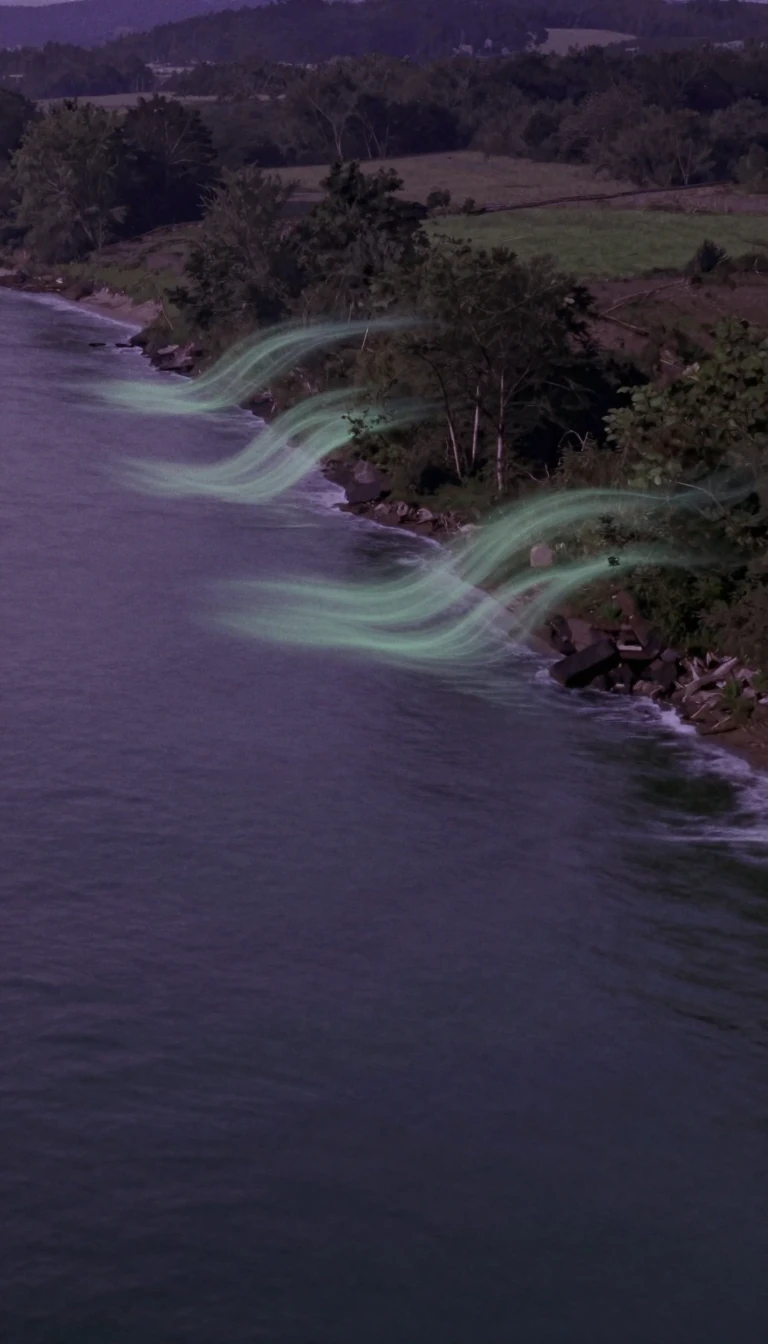
In short: Aggradation is the geological process where rivers deposit more sediment than they can carry, causing the land elevation to rise. This natural phenomenon reshapes landscapes, creates sedimentary basins over millions of years, and is driven by climate shifts, volcanic activity, and changes in land use that disrupt river systems.
At its core, aggradation—also known as alluviation—represents a fundamental mass balance problem in geology. When the volume of sediment entering a river system exceeds the stream's capacity to transport that material, the excess debris settles on the riverbed. This accumulation gradually raises the elevation of the land surface. The mathematical relationship governing this sediment transport and bed deposition is formally described by the Exner equation, which serves as a critical tool for geologists tracking how riverbeds evolve over time.
These processes typically unfold in specific environments, such as alluvial fans, river deltas, and lowland alluvial rivers. Often, these areas experience slow, long-term subsidence, which acts as a counterweight to the rising elevation caused by aggradation. Over millions of years, this persistent cycle of deposition and sinking transforms these regions into sedimentary basins. These basins act as geological archives, preserving ancient floodplains and paleochannels that provide a record of the Earth's past environmental conditions and river behavior.
Aggradation is highly sensitive to external triggers, including volcanic eruptions, seismic activity like earthquakes, and shifts in climate. For instance, a volcanic eruption can suddenly overwhelm a river with volcanic debris, burying existing channels and floodplains. Similarly, drier climates can suppress plant growth, reducing soil stability and increasing sediment supply. Simultaneously, lower rainfall reduces the river's flow, leaving it unable to move the increased sediment load, effectively choking the channel. While these processes are natural, human-driven changes in land use also play a role. Research published in 2009 by the University of Colorado at Boulder highlighted that reduced aggradation in many river deltas has actually increased flood risks, demonstrating that both aggradation and its opposite, degradation, are event-driven forces that dictate the stability of our river systems.
Opens the Intellect+ feed with this card first. Swipe up for the next one.
Sources
- Summary by Intellect · source: Aggradation
To cite this card, link to https://intellectplus.co.uk/app/nature-aggradation.
How we source, check and correct cards: Editorial standards.
General information, not professional advice. Spotted an error? Flag the card or see corrections and complaints.
Intellect Plus is a visual educational discovery platform for exploring fascinating facts and ideas. Brain Food, Not Brain Rot. What is Intellect Plus?
Related
More in Geology · More in Nature · Latest · A–Z · All topics
