How a tiny population of mountain goats survived near-total extinction in the Alps
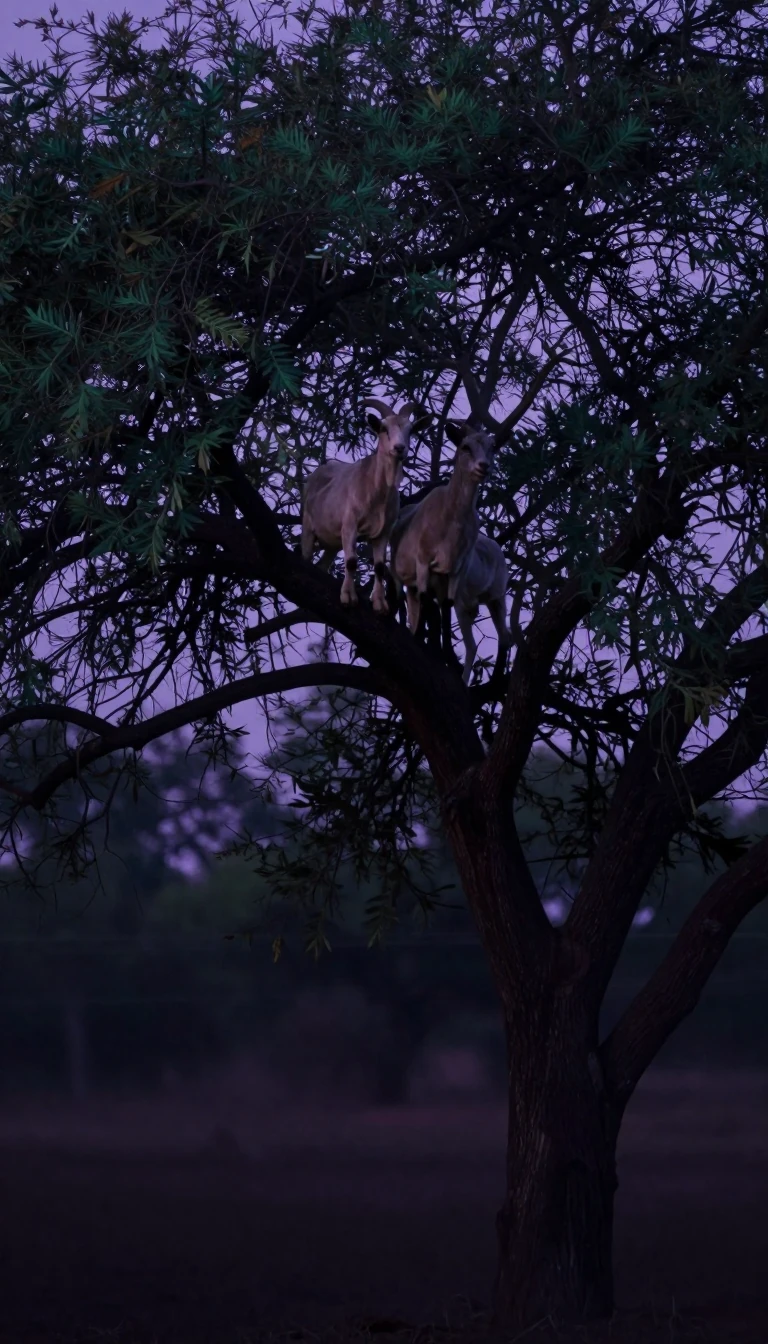
In short: Once hunted to the brink of disappearance, the Alpine ibex is a master of vertical survival. These resilient goats scale near-vertical dams and thrive in extreme alpine terrain. Their recovery from a bottleneck of fewer than 100 individuals is a landmark success story in modern wildlife conservation and genetic management.
The Alpine ibex, or steinbock, is a specialized mountain goat native to the high-altitude meadows and cliffs of the European Alps. Adapted for life at elevations up to 3,300 meters, they possess unique physical traits, including sharp, wide-set hooves and a rubbery callus under their front feet that allows them to navigate precarious, steep slopes. They are famously agile, with observers documenting them scaling 57-degree dam walls in Italy to lick salt deposits. Despite their rugged appearance, they are sexually dimorphic; males are significantly larger than females and sport massive, backwards-curving horns that can reach nearly a meter in length, which they use to establish dominance hierarchies.
By the 19th century, the species faced near-total extinction. Centuries of hunting, fueled by the introduction of firearms and the misguided belief that their horns and blood held medicinal properties, reduced the entire global population to fewer than 100 individuals confined to the Gran Paradiso area in Italy. Protection efforts began in 1821 with a hunting ban in Piedmont, followed by the establishment of a royal reserve by Victor Emmanuel II in 1854. These efforts eventually allowed the population to rebound, growing from 4,000 in 1933 to over 55,000 by 2015, with successful reintroductions across France, Switzerland, Austria, and Slovenia.
This recovery, however, came at a cost. The severe population bottleneck left the species with low genetic diversity, potentially increasing their vulnerability to inbreeding depression and infectious diseases like Brucella melitensis. While the IUCN now classifies the ibex as a species of least concern, their future remains tied to active management. Modern conservationists must balance the species' resilience with the risks of hybridisation with domestic goats and the ongoing challenge of maintaining immune system diversity. Today, the ibex stands not only as a biological survivor but as a symbolic fixture of the Alpine landscape, appearing in everything from heraldry to ancient Magdalenian cave art.
Opens the Intellect+ feed with this card first. Swipe up for the next one.
Sources
- Summary by Intellect · source: Alpine ibex
- Also: iNaturalist — Alpine Ibex (Capra ibex) · CC BY-SA 4.0 (Wikipedia summary)
To cite this card, link to https://intellectplus.co.uk/app/nature-alpine-ibex.
How we source, check and correct cards: Editorial standards.
General information, not professional advice. Spotted an error? Flag the card or see corrections and complaints.
Intellect Plus is a visual educational discovery platform for exploring fascinating facts and ideas. Brain Food, Not Brain Rot. What is Intellect Plus?
Related
More in Organisms · More in Nature · Latest · A–Z · All topics
