The wild goat is the rugged, high-altitude ancestor of every domestic goat today.
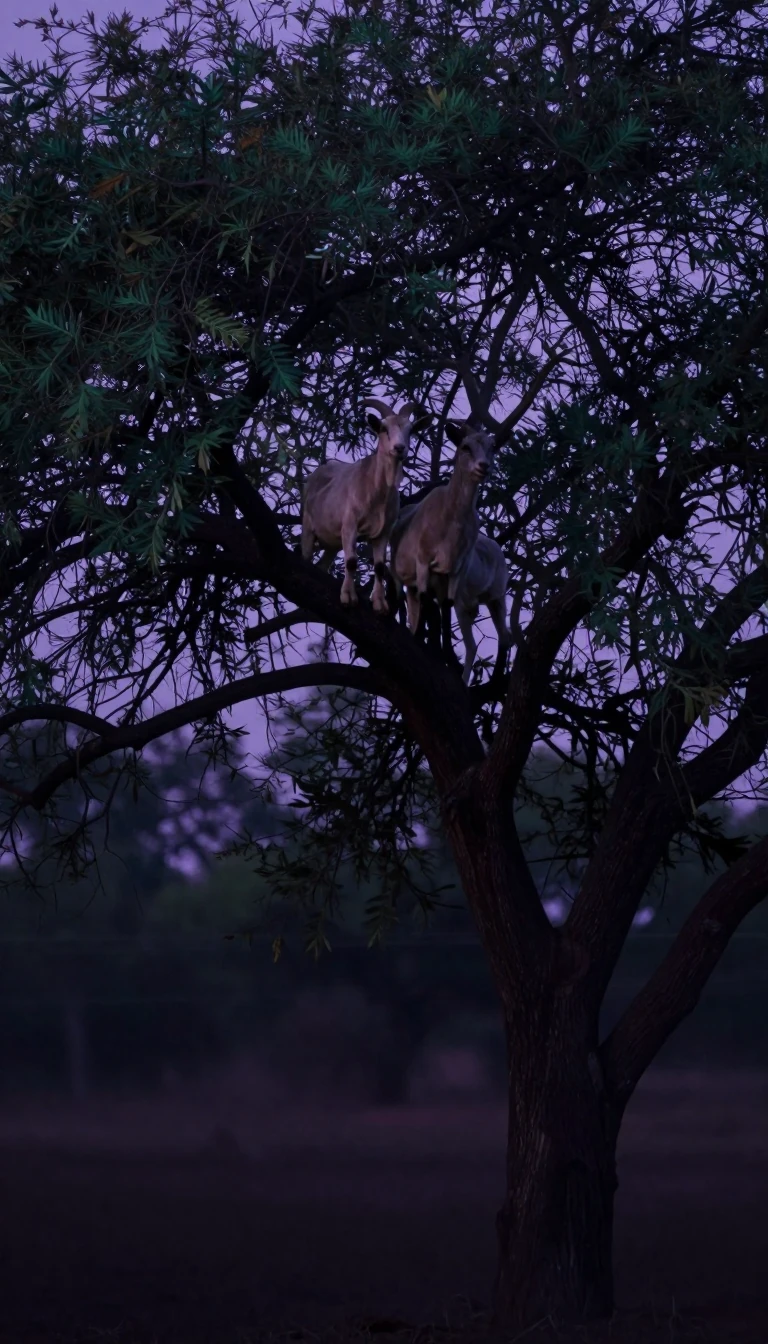
In short: From the craggy peaks of the Caucasus to the arid slopes of Pakistan, the wild goat (Capra aegagrus) thrives in extreme environments. While often overshadowed by its domesticated descendants, this resilient species remains a master of survival, navigating steep, rocky terrain while facing modern threats like habitat loss and poaching.
The wild goat is a species of remarkable geographic breadth, found across a vast range that stretches from Turkey and the Caucasus in the west to Afghanistan and Pakistan in the east. These animals are highly adapted to mountainous life, frequently observed at elevations reaching 3,250 meters in the Taurus Mountains of Turkey. Their habitat preferences are specific: they favor steep, rocky slopes that provide both security and access to water, typically remaining far from human infrastructure like roads.
Taxonomically, the wild goat has a complex history. Johann Christian Polycarp Erxleben first proposed the name Capra aegagrus in 1777, based on populations in the Caucasus and Taurus ranges. Today, the Bezoar ibex and the Sindh ibex are recognized as valid subspecies. Other classifications remain debated; for instance, the Chiltan ibex was once thought to be a distinct subspecies but is now viewed as a variant, with some researchers suggesting it may be a hybrid with the markhor. Meanwhile, the Cretan kri-kri, previously categorized as a wild goat subspecies, is now classified as a feral domestic goat.
The social structure and reproductive cycles of these goats are finely tuned to their environments. In regions like Dagestan, the rutting season occurs from mid-December through late January. Following a gestation period averaging 170 days, females typically give birth to between one and three kids between late June and mid-July. These young are remarkably precocious, becoming mobile almost immediately after birth. While they are weaned at six months, they do not reach sexual maturity until they are several years old, with males maturing later than females. Despite their hardiness, wild goat populations are currently listed as near threatened on the IUCN Red List, primarily due to poaching, logging-induced habitat loss, and competition for grazing resources with domestic livestock.
Understanding these animals requires looking at their behavior in the wild. Field observations in Pakistan's Kirthar National Park have shown that group sizes are highly variable, ranging from two to over 130 individuals. These herds are dynamic, with older males actively excluding younger males from maternal groups, a behavior that likely influences the genetic and social stability of the population.
Opens the Intellect+ feed with this card first. Swipe up for the next one.
Sources
- Summary by Intellect · source: Wild goat
To cite this card, link to https://intellectplus.co.uk/app/nature-wild-goat.
How we source, check and correct cards: Editorial standards.
General information, not professional advice. Spotted an error? Flag the card or see corrections and complaints.
Intellect Plus is a visual educational discovery platform for exploring fascinating facts and ideas. Brain Food, Not Brain Rot. What is Intellect Plus?
Related
More in Vertebrates · More in Nature · Latest · A–Z · All topics
