The accidental cattle breed that changed how we think about beef production efficiency
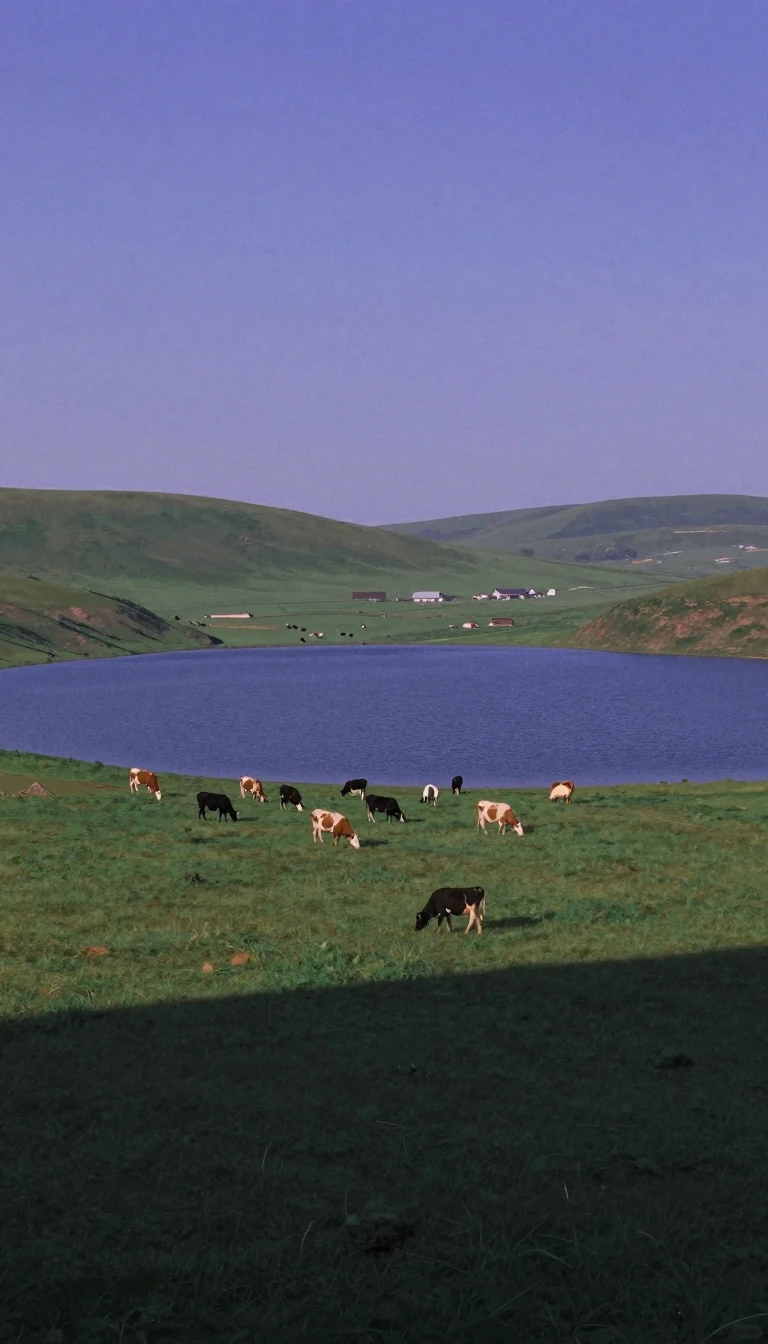
In short: Born from a government research project in New South Wales, the Australian Lowline was never intended to be a commercial breed. Scientists simply wanted to see if smaller cattle converted grass into meat more efficiently. The result was a compact, quiet, and highly productive animal that defied traditional farming expectations.
In 1929, the New South Wales Department of Agriculture established an Aberdeen Angus herd at Trangie. By 1964, the herd-book was closed, setting the stage for a landmark study initiated in 1974. Researchers sought to understand the relationship between growth rates and profitability, specifically investigating whether smaller animals possessed superior feed conversion efficiency when raised on grass. To test this, they divided the cattle into three distinct groups: High Line, Low Line, and a control group.
The Low Line herd, which began with 85 cows and several young bulls, was strictly isolated from outside stock. To ensure the findings were not skewed by local weather, the researchers expanded the study to include sites in Glen Innes and Hamilton. Over the course of a nineteen-year experiment, the Low Line cattle consistently proved to be about 30% smaller than their High Line counterparts. By the time the project concluded in the early 1990s, the researchers had successfully isolated a unique, smaller-statured line of cattle that was not the result of dwarfism.
When the government auctioned the herd, private breeders stepped in to preserve the genetics. The Australian Lowline Cattle Association formed in 1992, publishing its first herd-book in 1993 with 186 registered animals. Today, these cattle are prized for their quiet temperament, ease of calving, and ability to thrive in diverse climates. Because they are roughly 60% the height of standard Aberdeen Angus—averaging 100 to 110 cm—they cause less soil compaction and require less robust fencing, making them a practical choice for modern, sustainable beef production.
Opens the Intellect+ feed with this card first. Swipe up for the next one.
Sources
- Summary by Intellect · source: Australian Lowline
To cite this card, link to https://intellectplus.co.uk/app/nature-australian-lowline.
How we source, check and correct cards: Editorial standards.
General information, not professional advice. Spotted an error? Flag the card or see corrections and complaints.
Intellect Plus is a visual educational discovery platform for exploring fascinating facts and ideas. Brain Food, Not Brain Rot. What is Intellect Plus?
Related
More in Animal breeds and hybrids · More in Nature · Latest · A–Z · All topics
