Why do deep-sea basins form behind volcanic arcs instead of at mid-ocean ridges?
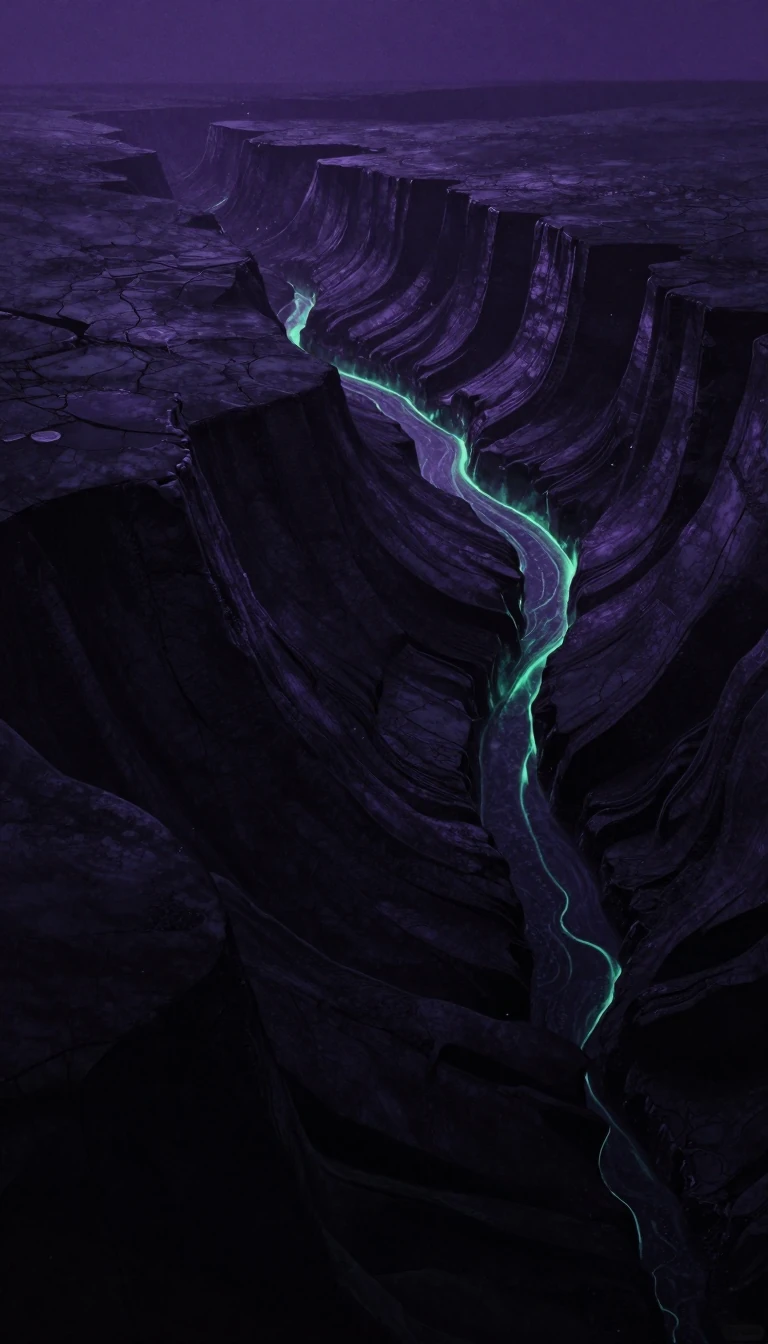
In short: Geologists once assumed convergent plate boundaries were strictly zones of compression. Yet, behind many island arcs, the seafloor is actually pulling apart. This counterintuitive process, known as back-arc spreading, creates submarine basins that host unique hydrothermal vents and diverse biological communities, challenging our understanding of how tectonic plates interact.
A back-arc basin is a submarine feature that develops behind an island arc, typically near the convergence of two tectonic plates. While convergent boundaries are often associated with compression, these basins form through tensional forces. The process begins when one tectonic plate subducts beneath another, creating a trench. As the subducting plate descends, it releases water into the overlying mantle, triggering melting. This rising magma increases pressure, causing the crust above to rift and fueling volcanic activity on the island arc.
As magma continues to breach the crust, spreading centers develop, widening the seafloor and expanding the section of the plate behind the trench. This expansion can force the leading edge of the overlying plate oceanward, a phenomenon known as trench rollback, where the subduction zone moves backward over the subducting plate. Alternatively, the plate may remain fixed, acting as a sea anchor, which forces the trailing portion of the plate to move in the opposite direction. These basins are frequently found along the western margin of the Pacific Ocean.
Examples of these geological features include the Sea of Japan, the Kuril Basin, the Mariana Trough, and the South Fiji Basin. These regions are sites of significant hydrothermal activity, where deep-sea vents support specialized life. Unlike the spreading centers found along mid-ocean ridges, those in back-arc basins are typically much shorter. The formation of these basins remains a critical area of study, as they represent a complex, dynamic interplay between subduction, mantle melting, and crustal extension that deviates from the simpler models of plate tectonics once expected by researchers.
Opens the Intellect+ feed with this card first. Swipe up for the next one.
Sources
- Summary by Intellect · source: Back-arc basin | Subduction Zone, Tectonic Plate & Oceanic Crust | Britannica
- Also: Back-arc basin
To cite this card, link to https://intellectplus.co.uk/app/nature-back-arc-basin.
How we source, check and correct cards: Editorial standards.
General information, not professional advice. Spotted an error? Flag the card or see corrections and complaints.
Intellect Plus is a visual educational discovery platform for exploring fascinating facts and ideas. Brain Food, Not Brain Rot. What is Intellect Plus?
Related
More in Geology · More in Nature · Latest · A–Z · All topics
