The East Pacific Rise is a massive, hidden volcanic engine shaping our planet's floor.
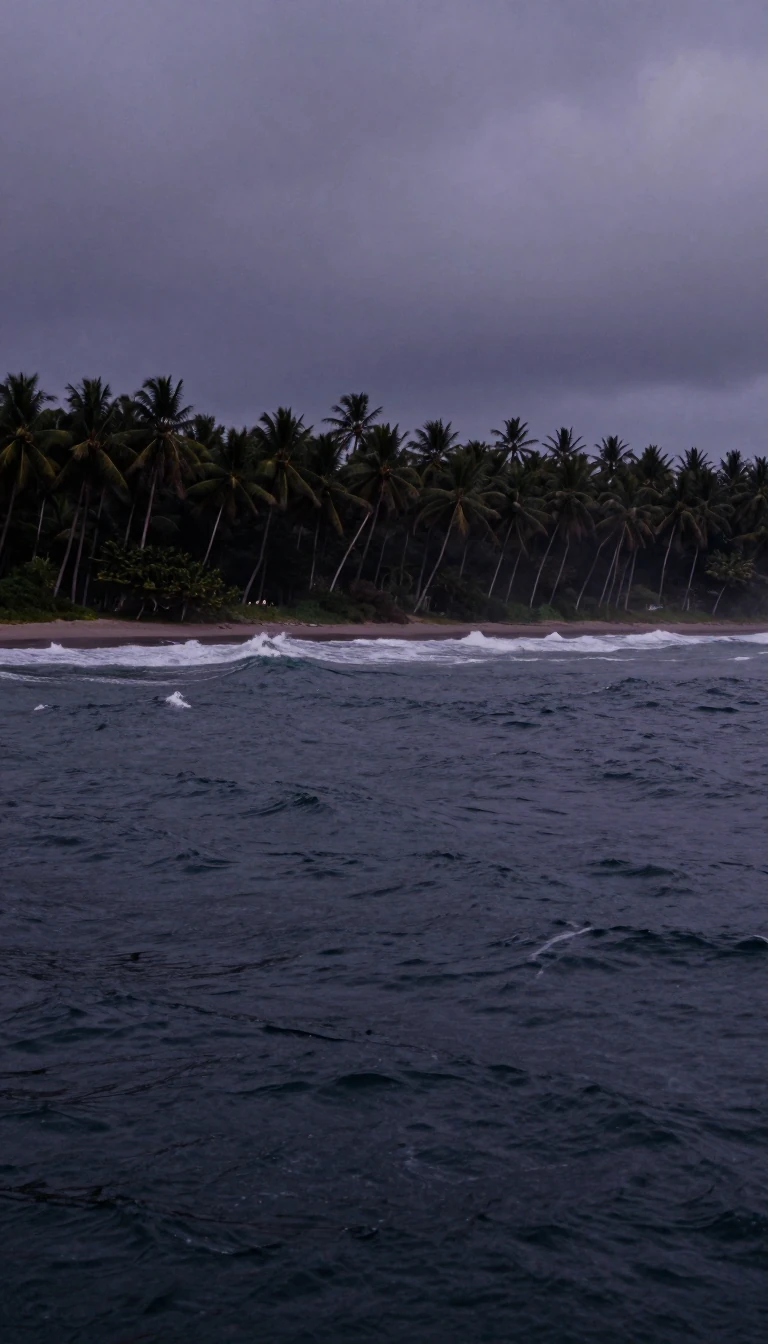
In short: Deep beneath the Pacific Ocean lies a sprawling, active volcanic chain that acts as a conveyor belt for Earth's crust. By constantly generating new seafloor, this hidden ridge system drives the movement of continents and reveals the dynamic, ever-changing nature of the ground beneath our feet.
The East Pacific Rise is a linear, submarine volcanic chain stretching across the floor of the southeastern Pacific Ocean. As part of a global system of mid-ocean ridges, it marks a divergent plate boundary where tectonic plates pull apart. Molten material from the Earth's mantle wells up along these ridges, cooling to form new oceanic crust that continuously spreads laterally away from the axis.
This process of seafloor spreading, proposed by geophysicist Harry H. Hess in 1960, revolutionized geology by providing a mechanism for continental drift. As new crust forms, older material is pushed aside. In the Pacific, this cycle concludes at deep-sea trenches, where the ocean floor plunges downward, underthrusting continents and eventually dissolving back into the mantle. This dynamic system is supported by evidence such as anomalously high heat flow near ridge crests and symmetrical magnetic patterns in the seafloor crust.
Despite its significance, the ridge remains relatively poorly studied due to its remote location. Scientists use advanced seismic techniques to peer into the magmatic plumbing system beneath the rise. Research, including full-waveform inversion of seismic data, has allowed experts to visualize the axial melt lens—a reservoir of molten rock—and observe how it changes over time, particularly before and after volcanic eruptions. These studies are crucial for understanding how melt is delivered from the mantle to the surface.
The East Pacific Rise is also home to unique ecosystems. In 1979, the RISE project discovered hydrothermal vents known as black smokers along the ridge. These vents support chemosynthetic life forms that thrive without sunlight, creating a stark contrast to the photosynthetic world above. By mapping these features and measuring sediment thickness, researchers have confirmed that the oldest oceanic crust is only about 200 million years old, debunking older theories that suggested ocean basins were permanent features.
Opens the Intellect+ feed with this card first. Swipe up for the next one.
Sources
- Summary by Intellect · source: East Pacific Rise | Plate Boundary, Map, Location, & Facts | Britannica
- Also: East Pacific Rise 4D
- Also: East Pacific Rise
To cite this card, link to https://intellectplus.co.uk/app/places-east-pacific-rise.
How we source, check and correct cards: Editorial standards.
General information, not professional advice. Spotted an error? Flag the card or see corrections and complaints.
Intellect Plus is a visual educational discovery platform for exploring fascinating facts and ideas. Brain Food, Not Brain Rot. What is Intellect Plus?
Related
More in Other hydrological features · More in Countries & Cities · Latest · A–Z · All topics
