Is the Bermuda Triangle a genuine mystery or just a collection of tall tales?
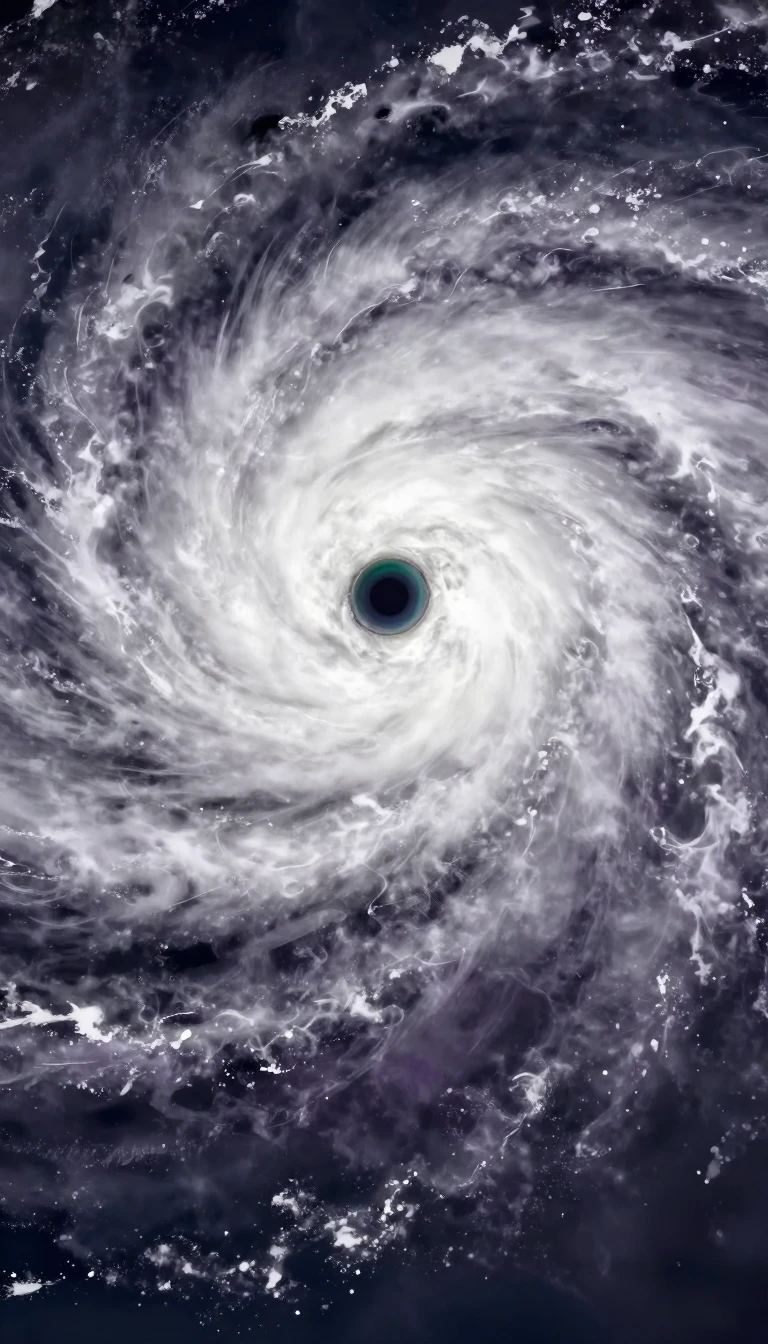
In short: The legend of the Bermuda Triangle suggests a patch of the North Atlantic is a graveyard for ships and planes. Yet, insurance records, government data, and scientific investigations suggest the area is no more dangerous than any other heavily traveled ocean route. Why does the myth persist despite the evidence?
The Bermuda Triangle, sometimes called the Devil's Triangle, is a loosely defined area between Florida, Bermuda, and Puerto Rico. While sailors have long viewed the nearby Sargasso Sea as mysterious, the specific concept of a triangular zone of disappearances only emerged in the early 1950s. Journalists like Edward Van Winkle Jones and George X. Sand popularized the idea, citing incidents like the 1945 loss of five US Navy torpedo bombers known as Flight 19. By the 1960s and 1970s, authors such as Vincent Gaddis and Charles Berlitz expanded the narrative, often incorporating supernatural theories like Atlantis, parallel universes, or extraterrestrial interference.
However, rigorous investigation has consistently debunked these claims. In 1975, Larry Kusche demonstrated that many accounts were riddled with inaccuracies, misinterpretations, or outright fabrications. For instance, some ships reported as lost in the Triangle actually vanished in the Pacific, while others were simply delayed in port. Furthermore, the U.S. Coast Guard and Lloyd's of London have confirmed that the frequency of accidents in the region is not statistically significant compared to global shipping traffic. The area is prone to tropical cyclones and the Gulf Stream, which can easily displace vessels or aircraft, but these are natural hazards rather than paranormal phenomena.
The persistence of the myth is largely driven by the profitability of sensationalism. Skeptical researchers have noted that media outlets often favor dramatic, pro-paranormal content over well-researched, skeptical findings. Even the Bimini Road, a natural rock formation often cited as evidence of ancient technology, is frequently misidentified as a man-made structure by those seeking to validate the legend. Ultimately, the Bermuda Triangle is a manufactured mystery, sustained by human error, the misreporting of weather events, and a public appetite for stories that defy conventional explanation.
Despite the lack of evidence, the legend remains culturally potent. Scientific bodies like NOAA and the U.S. Navy maintain that environmental factors and human error explain the disappearances, and the U.S. Board on Geographic Names does not even recognize the Triangle as an official location. In 2013, the World Wide Fund for Nature did not include the region in its list of the world's 10 most dangerous waters, further highlighting that the perceived peril is a product of storytelling rather than geography.
Opens the Intellect+ feed with this card first. Swipe up for the next one.
Sources
- Summary by Intellect · source: Bermuda Triangle
To cite this card, link to https://intellectplus.co.uk/app/nature-bermuda-triangle.
How we source, check and correct cards: Editorial standards.
General information, not professional advice. Spotted an error? Flag the card or see corrections and complaints.
Intellect Plus is a visual educational discovery platform for exploring fascinating facts and ideas. Brain Food, Not Brain Rot. What is Intellect Plus?
Related
More in Physical geography · More in Nature · Latest · A–Z · All topics
