Carnosauria: The shifting definition of history's first giant predatory dinosaurs
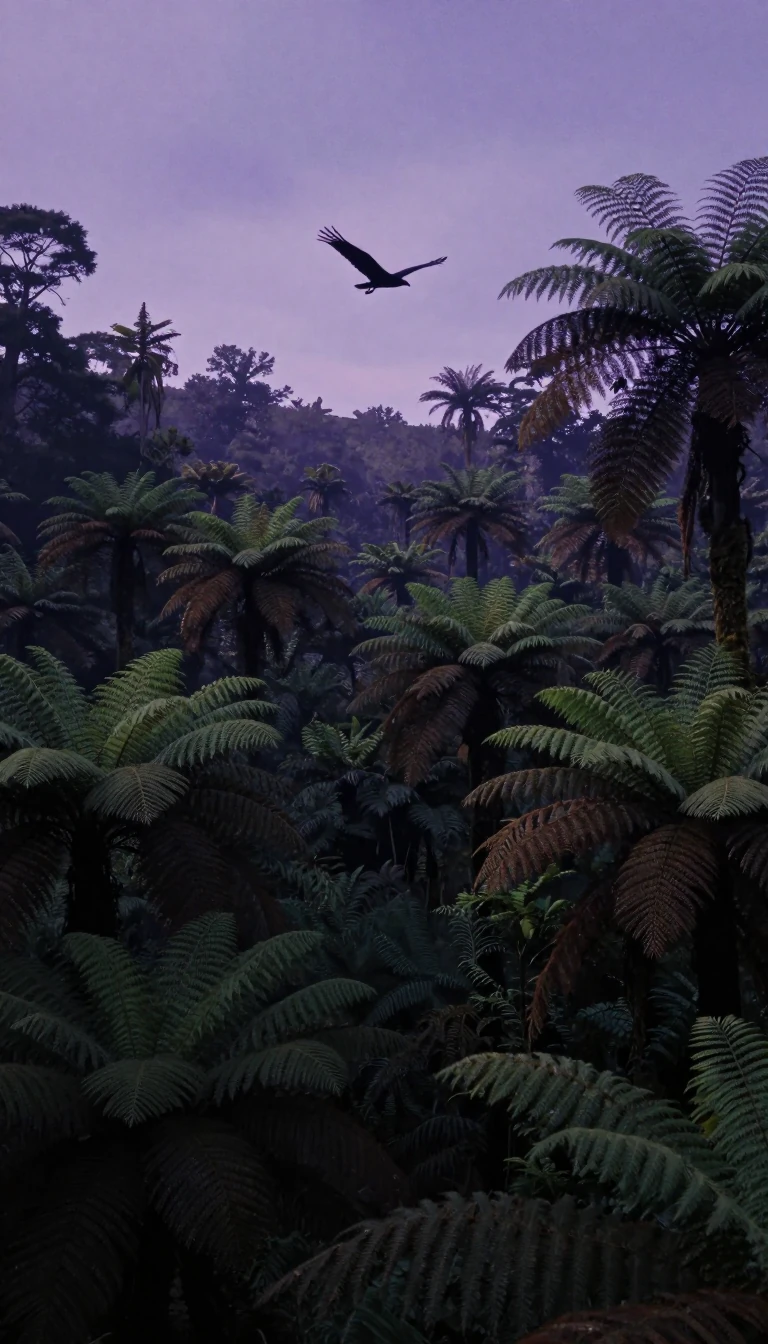
In short: Carnosauria was once a catch-all category for any large theropod, but modern science has transformed it into a precise, albeit debated, clade. These apex predators dominated the Jurassic and early Cretaceous, leaving behind a fossil record that challenges our understanding of dinosaur social behavior, metabolism, and global migration patterns.
Carnosauria originated in the Middle Jurassic, roughly 174 million years ago. Historically, the group served as a taxonomic dumping ground for large theropods, including non-dinosaurs like the rauisuchian Teratosaurus. By the 1980s and 1990s, cladistic analysis revealed the group was polyphyletic, as many former members were reclassified as primitive theropods or as coelurosaurs more closely related to birds. Today, the definition remains fluid; some researchers equate it with Allosauroidea, while others include Megalosauroidea, creating a complex phylogenetic landscape that lacks scientific consensus.
Physically, carnosaurs were defined by specific skeletal traits, including a triangular pubic boot, a femur longer than the tibia, and a narrow skull with serrated teeth. Their cranial capacity varied significantly, from 95 milliliters in Sinraptor to 250 milliliters in Giganotosaurus. Unlike tyrannosaurids, which frequently show face-biting wounds in the fossil record, allosauroid skulls lack such evidence of combat. However, their remains often show healed injuries, suggesting an active predatory lifestyle. Their ability to recover from these wounds, combined with a lower nutrient requirement, points toward an intermediate metabolic rate similar to modern non-avian reptiles.
The paleobiogeography of allosauroids mirrors the breakup of Pangaea. As the first giant theropods—weighing over 2 tons—they achieved a global distribution across North America, South America, Europe, Africa, and Asia. During the Early Cretaceous, carcharodontosaurids likely utilized land bridges, such as one connecting Africa to Italy's Apulia region, to disperse. By the Late Cretaceous, however, they were largely replaced by tyrannosauroids in North America and Asia, a shift likely driven by regional extinctions and the increasing isolation of continents as land connections severed.
Opens the Intellect+ feed with this card first. Swipe up for the next one.
Sources
- Summary by Intellect · source: Carnosauria
To cite this card, link to https://intellectplus.co.uk/app/nature-carnosauria.
How we source, check and correct cards: Editorial standards.
General information, not professional advice. Spotted an error? Flag the card or see corrections and complaints.
Intellect Plus is a visual educational discovery platform for exploring fascinating facts and ideas. Brain Food, Not Brain Rot. What is Intellect Plus?
Related
More in Vertebrates · More in Nature · Latest · A–Z · All topics
