Before the dinosaurs, these massive, thick-skulled creatures dominated the Permian landscape for millions of years.
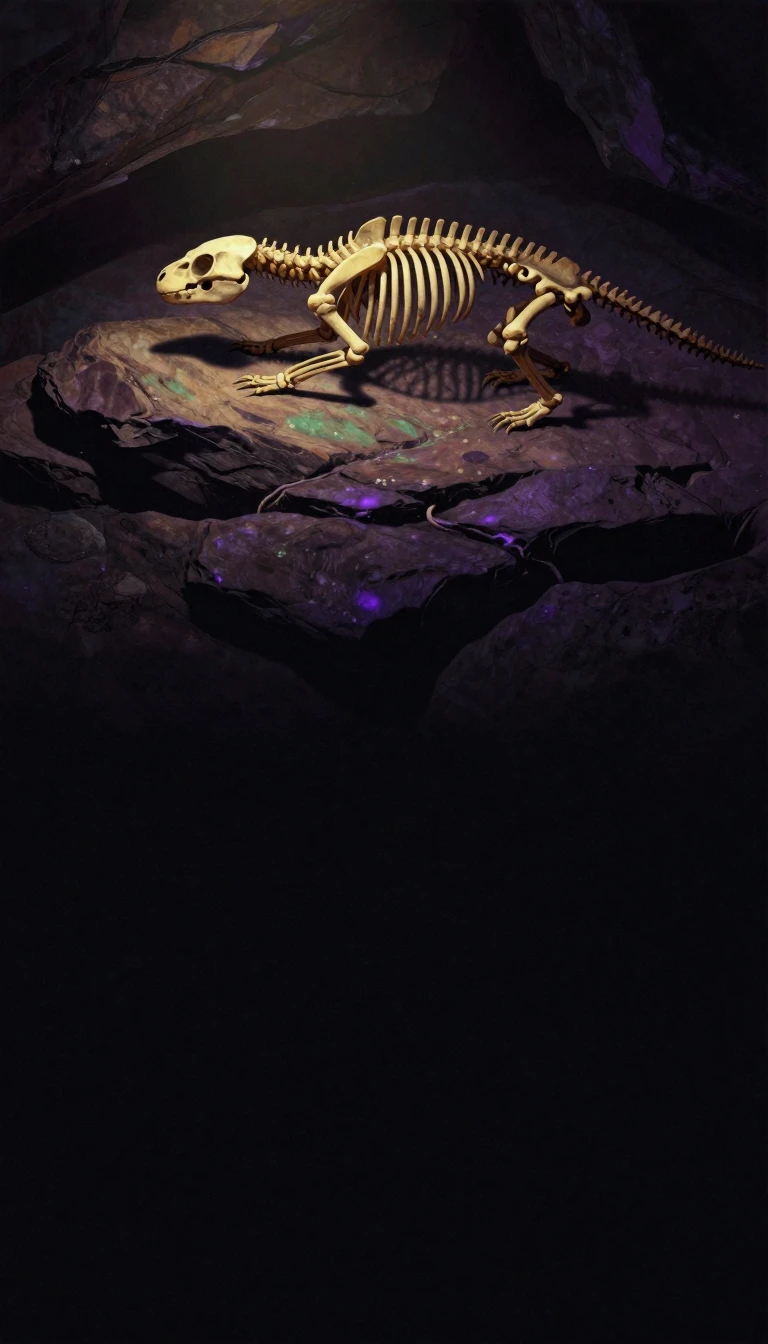
In short: Long before the age of dinosaurs, the Dinocephalia clade thrived as the planet’s premier megaherbivores and apex predators. Flourishing during the Middle Permian, these synapsids reached weights of one tonne, sporting bizarre, knob-covered skulls. Their sudden disappearance during the Capitanian mass extinction remains a pivotal moment in vertebrate history.
Dinocephalians were the earliest synapsids to achieve a body mass of approximately one tonne, representing a significant evolutionary milestone. Flourishing between 275 and 260 million years ago, they occupied diverse ecological niches. The Anteosauria served as apex predators, while the Tapinocephalia included both herbivores and omnivores. Their remains have been unearthed across a vast geographic range, including Russia, China, Brazil, South Africa, Zimbabwe, and Tanzania.
The group is defined by distinct anatomical features, such as the loss of the coronoid process on the lower jaw and the presence of interlocking incisor teeth. Many species possessed pachyostotic, or thickened, skull roofs adorned with bony projections. Researchers hypothesize that these reinforced structures, potentially housing protective tissue around the brain, allowed these animals to engage in head-butting or head-interlocking combat, suggesting complex social behaviors in some groups.
The extinction of these creatures occurred abruptly around 260 million years ago during the Capitanian mass extinction. This event, which primarily decimated large-bodied species, is often attributed to the volcanic activity that produced the Emeishan Traps. While their evolutionary position was historically debated—often grouped with Anomodontia—modern analysis places Dinocephalia as one of the earliest diverging lineages of therapsids, distinct from the ancestors of modern mammals.
Scientific interest in these animals dates back to the 19th century, with the first formal descriptions appearing in 1838. Over the decades, researchers like Stepan Kutorga, Richard Owen, and Lieuwe Dirk Boonstra refined our understanding of their taxonomy. Today, they are categorized into the carnivorous Anteosauridae and several herbivorous families, such as the Estemmenosuchidae and Tapinocephalidae, providing a window into a lost world of ancient, heavy-set giants.
Opens the Intellect+ feed with this card first. Swipe up for the next one.
Sources
- Summary by Intellect · source: Dinocephalia
To cite this card, link to https://intellectplus.co.uk/app/nature-dinocephalia.
How we source, check and correct cards: Editorial standards.
General information, not professional advice. Spotted an error? Flag the card or see corrections and complaints.
Intellect Plus is a visual educational discovery platform for exploring fascinating facts and ideas. Brain Food, Not Brain Rot. What is Intellect Plus?
Related
More in Vertebrates · More in Nature · Latest · A–Z · All topics
