The Jurassic beaver that proves mammals were not just tiny, stagnant creatures
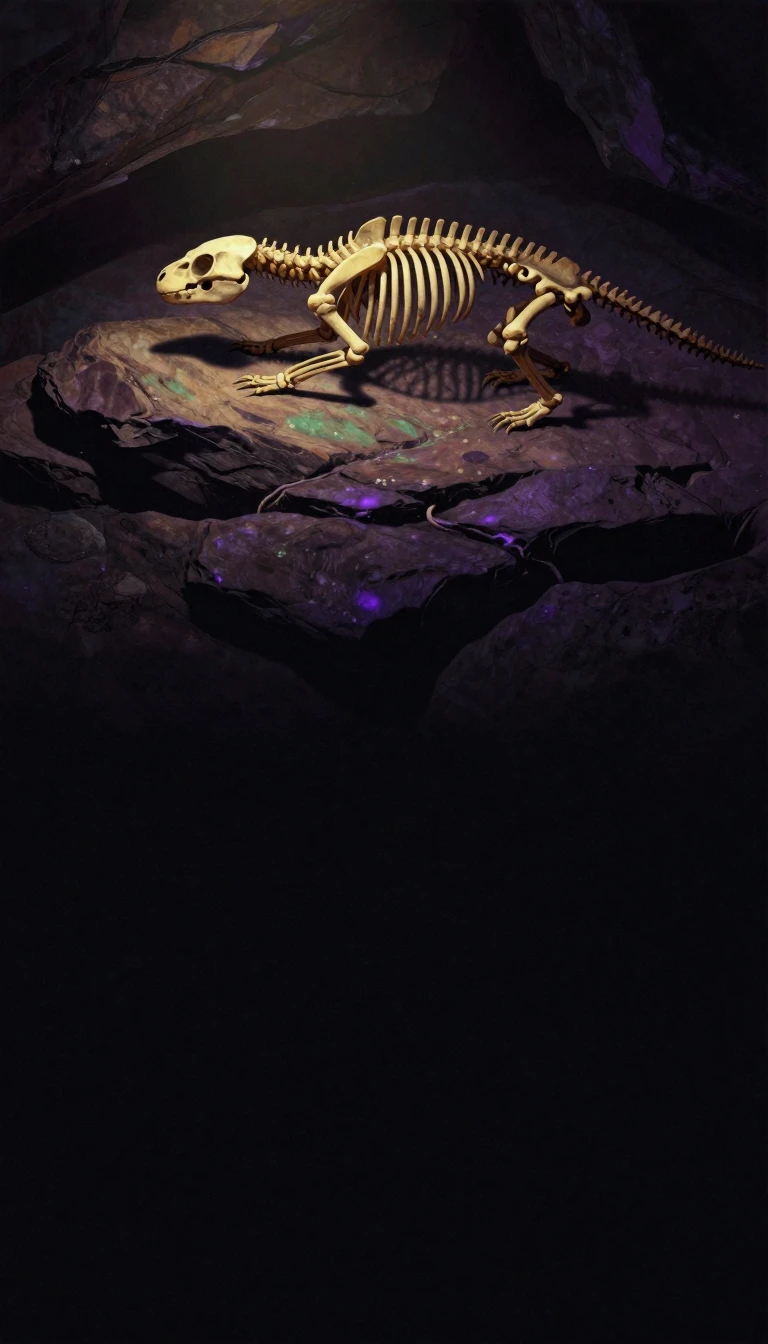
In short: Long before dinosaurs vanished, a beaver-like creature named Castorocauda was already swimming through Jurassic rivers. Weighing up to 800 grams, this ancient mammal defied the idea that early mammaliaforms were merely small, ground-dwelling insects eaters. It possessed fur, webbed feet, and specialized teeth, revealing a surprisingly diverse evolutionary history.
Discovered in China's Daohugou Beds, Castorocauda lutrasimilis lived between 175.6 and 161.2 million years ago. As a member of the extinct order Docodonta, it challenges the long-held assumption that early mammals remained evolutionarily stagnant until the end of the Mesozoic era. Instead, this creature represents a period of explosive radiation, where mammaliaforms rapidly adapted to occupy diverse ecological niches long before the non-avian dinosaurs went extinct.
Physically, Castorocauda was a marvel of adaptation. Weighing between 500 and 800 grams, it was the largest known Jurassic mammaliaform. Its anatomy suggests a lifestyle remarkably similar to modern platypuses and river otters. It featured a flattened, beaver-like tail for propulsion, webbed hind feet for swimming, and specialized, backward-curving teeth designed to grip slippery fish. Its forelimbs were robust, indicating it was also capable of burrowing.
Perhaps most significantly, the fossilized remains of Castorocauda provide the earliest evidence of a fur pelt. This discovery confirms that hair was an ancestral trait of mammals, serving essential functions like heat retention and sensory perception. The presence of such specialized features—along with evidence of a well-developed neocortex—suggests that these early animals were far more complex than the tiny, shrew-like creatures often depicted in the shadow of the dinosaurs.
While Castorocauda shares some superficial traits with modern semi-aquatic mammals, it remains distinct from the common ancestry of today’s monotremes, marsupials, and placentals. It belongs to the Mammaliaformes, a broader clade that includes both true mammals and their closest extinct relatives. By pushing the boundaries of what we know about Jurassic life, Castorocauda forces a re-evaluation of the mammalian timeline and the incredible speed at which early ancestors diversified.
Opens the Intellect+ feed with this card first. Swipe up for the next one.
Sources
- Summary by Intellect · source: Castorocauda | Primitive, Jurassic, Aquatic | Britannica
- Also: Castorocauda
To cite this card, link to https://intellectplus.co.uk/app/nature-castorocauda.
How we source, check and correct cards: Editorial standards.
General information, not professional advice. Spotted an error? Flag the card or see corrections and complaints.
Intellect Plus is a visual educational discovery platform for exploring fascinating facts and ideas. Brain Food, Not Brain Rot. What is Intellect Plus?
Related
More in Vertebrates · More in Nature · Latest · A–Z · All topics
