The Cascade Range is a volcanic backbone forged by the sinking of oceanic plates.
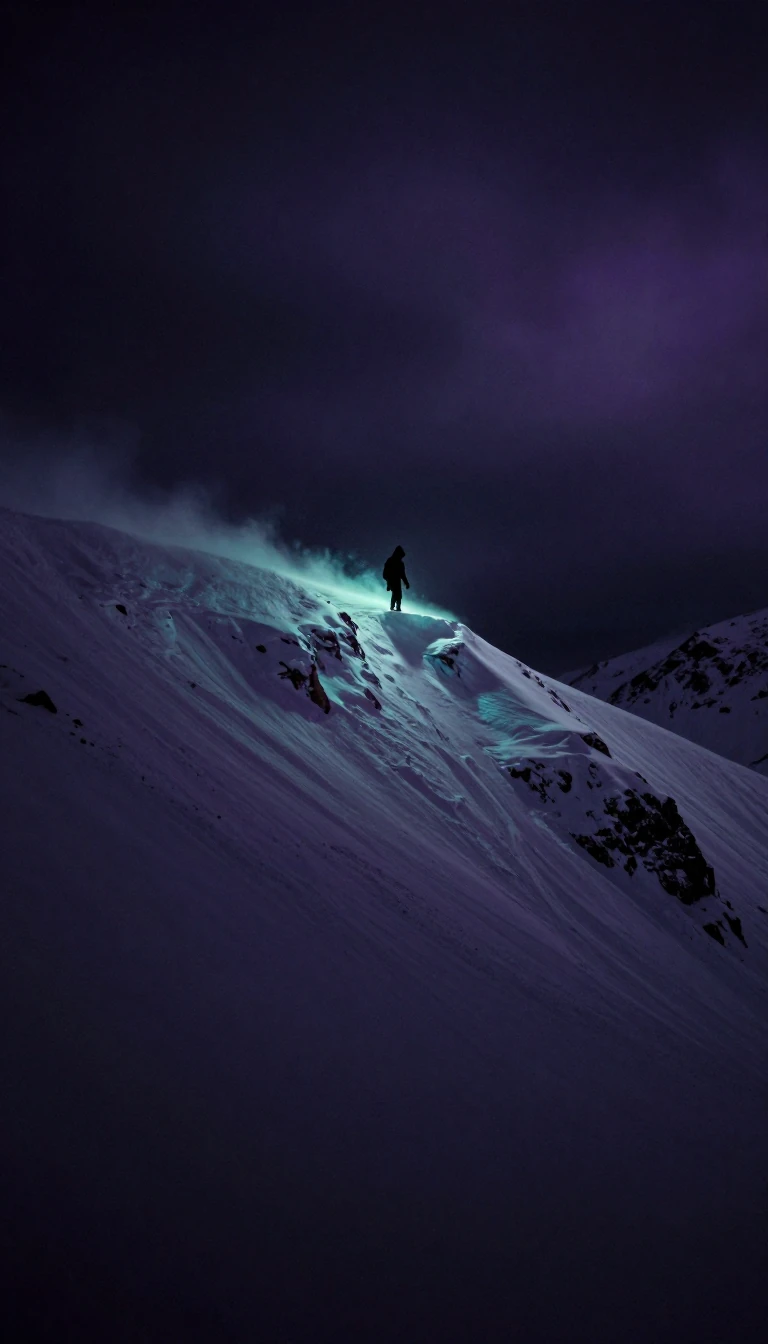
In short: Spanning from British Columbia to Northern California, the Cascade Range is a rugged, glaciated mountain chain defined by its towering volcanoes. While these peaks are famous for their beauty and record-breaking snowfall, they are also active geological features born from the intense pressures of the Pacific Ring of Fire.
The Cascade Range is a segment of the American Cordillera, a massive mountain chain forming the western edge of the Americas. Its geological character is primarily driven by subduction at the Cascadia subduction zone, where the dense Juan de Fuca Plate slides beneath the North American Plate. As this oceanic slab descends, extreme heat and pressure release water from its minerals. This moisture rises into the mantle, triggering melting and creating the magma that feeds the Cascade Volcanic Arc. This process has built a platform of volcanic debris punctuated by massive peaks like Mount Rainier, which reaches 14,411 feet.
The range acts as a critical climate barrier. Prevailing westerly winds from the Pacific Ocean hit the mountains, causing orographic lift that results in immense precipitation. While western slopes are lush with Douglas-fir and western hemlock, the eastern side experiences a rain shadow effect, leading to arid conditions and ponderosa pine forests. This moisture is stored as snow and ice, with some areas recording annual accumulations exceeding 1,000 inches. This water is vital for the region, fueling hydroelectric power, irrigation, and recreation, while volcanic soil provides rich nutrients for agriculture.
Human history in the Cascades is marked by both indigenous stewardship and rapid colonial expansion. First Nations tribes gave names to peaks like 'Tahoma' and 'Louwala-Clough' long before European explorers arrived. By the 1840s, the range became a final, formidable obstacle for settlers on the Oregon Trail, leading to the creation of toll routes like the Barlow Road. Today, the range remains a mix of protected wilderness and managed resources. While the 1980 eruption of Mount St. Helens served as a dramatic reminder of the range's volatility, modern monitoring systems now track potential activity, ensuring that the 'smoking mountains' are observed with scientific vigilance.
Opens the Intellect+ feed with this card first. Swipe up for the next one.
Sources
- Summary by Intellect · source: Cascade Range
To cite this card, link to https://intellectplus.co.uk/app/nature-cascade-range.
How we source, check and correct cards: Editorial standards.
General information, not professional advice. Spotted an error? Flag the card or see corrections and complaints.
Intellect Plus is a visual educational discovery platform for exploring fascinating facts and ideas. Brain Food, Not Brain Rot. What is Intellect Plus?
Related
More in Physical geography · More in Nature · Latest · A–Z · All topics
