The Olympic Mountains are a geological anomaly that defies the typical volcanic Pacific landscape.
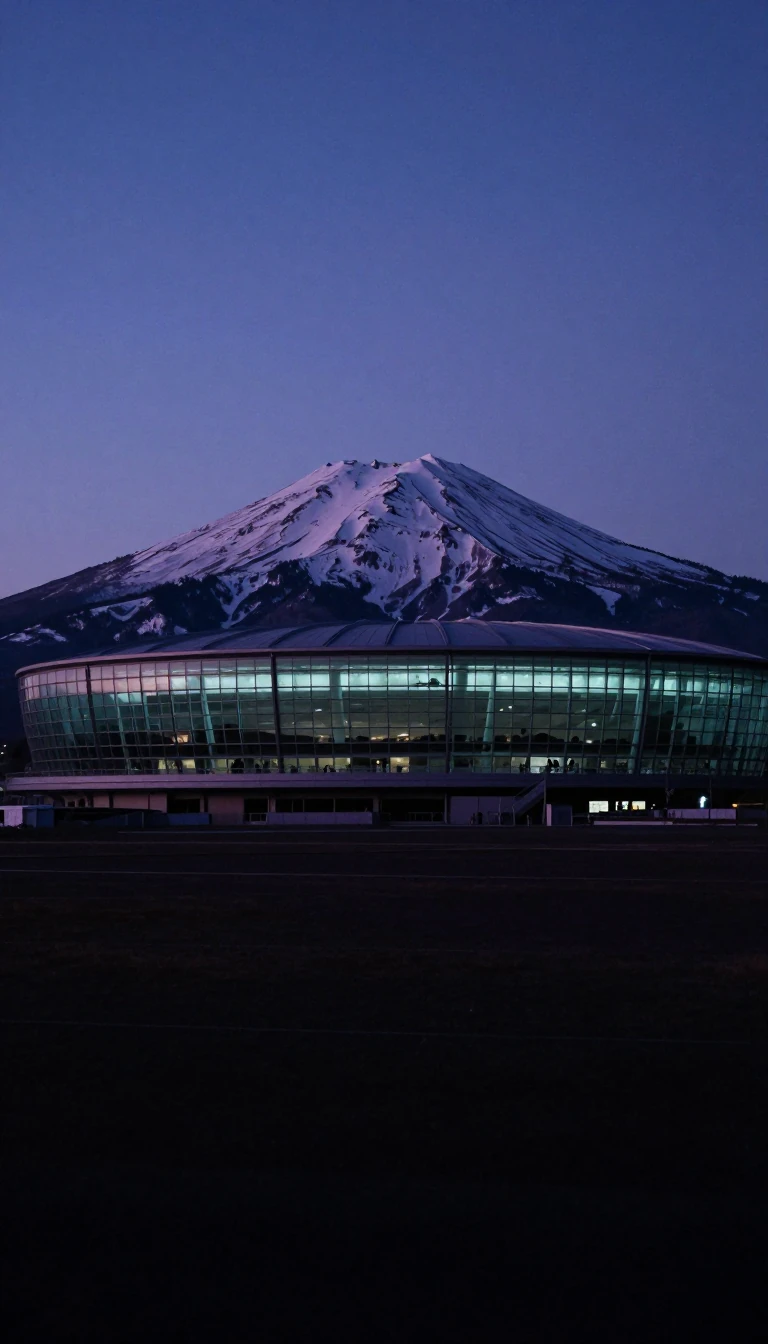
In short: Rising from the Washington coast, the Olympic Mountains are not volcanic, unlike their neighbors in the Cascades. This circular massif traps massive amounts of moisture, creating the largest temperate rainforest in the Western Hemisphere on its western slopes, while casting a stark rain shadow over its eastern meadows.
The Olympic Mountains, a segment of the Pacific mountain system, form a distinct, roughly circular massif on Washington’s Olympic Peninsula. Unlike the nearby Cascade Range, these mountains are not volcanic. Instead, they consist of obducted clastic wedge material and oceanic crust, primarily composed of Eocene sandstones, turbidites, and basaltic oceanic crust. They contain no native granite, marking them as a unique geological feature in the region.
The range’s proximity to the Pacific Ocean drives its extreme climate. Mount Olympus, the highest peak at 7,965 feet, sits just 35 miles from the coast. This positioning forces moisture-laden air upward, resulting in staggering precipitation levels. The Hoh Rainforest, located on the western slopes, receives between 140 and 170 inches of rain annually, making it the wettest place in the contiguous United States. Conversely, the mountains create a rain shadow to the northeast, where areas near Sequim receive as little as 16 inches of precipitation.
This dramatic environmental gradient supports a diverse array of life. The western slopes host old-growth temperate rainforests where Sitka spruce and western hemlock grow to enormous sizes, carpeted by mosses and ferns. In contrast, the eastern slopes feature drier meadows filled with wildflowers. The area is home to endemic species, including the Olympic marmot and Olympic torrent salamander. While mountain goats were introduced in the 1920s, their population exploded to over 1,000, leading to significant vegetation damage and subsequent control efforts that reduced their numbers to a few hundred by the early 21st century.
Today, the mountains are largely protected within Olympic National Park, which was established as a monument in 1909 and redesignated a park in 1938. The park encompasses 1,442 square miles, including about 250 glaciers. However, these glaciers are in decline; most are small, and researchers expect them to largely disappear by 2070 due to global warming. The park serves as a massive wilderness area, with 95% of its interior designated as the Daniel J. Evans Wilderness.
Opens the Intellect+ feed with this card first. Swipe up for the next one.
Sources
- Summary by Intellect · source: Olympic Mountains | Formation, Highest Peak, & Map | Britannica
- Also: Olympic Mountains
To cite this card, link to https://intellectplus.co.uk/app/places-olympic-mountains.
How we source, check and correct cards: Editorial standards.
General information, not professional advice. Spotted an error? Flag the card or see corrections and complaints.
Intellect Plus is a visual educational discovery platform for exploring fascinating facts and ideas. Brain Food, Not Brain Rot. What is Intellect Plus?
Related
More in Land relief · More in Countries & Cities · Latest · A–Z · All topics
