Is Mount Rainier the true summit of the Cascades or a shrinking icy giant?
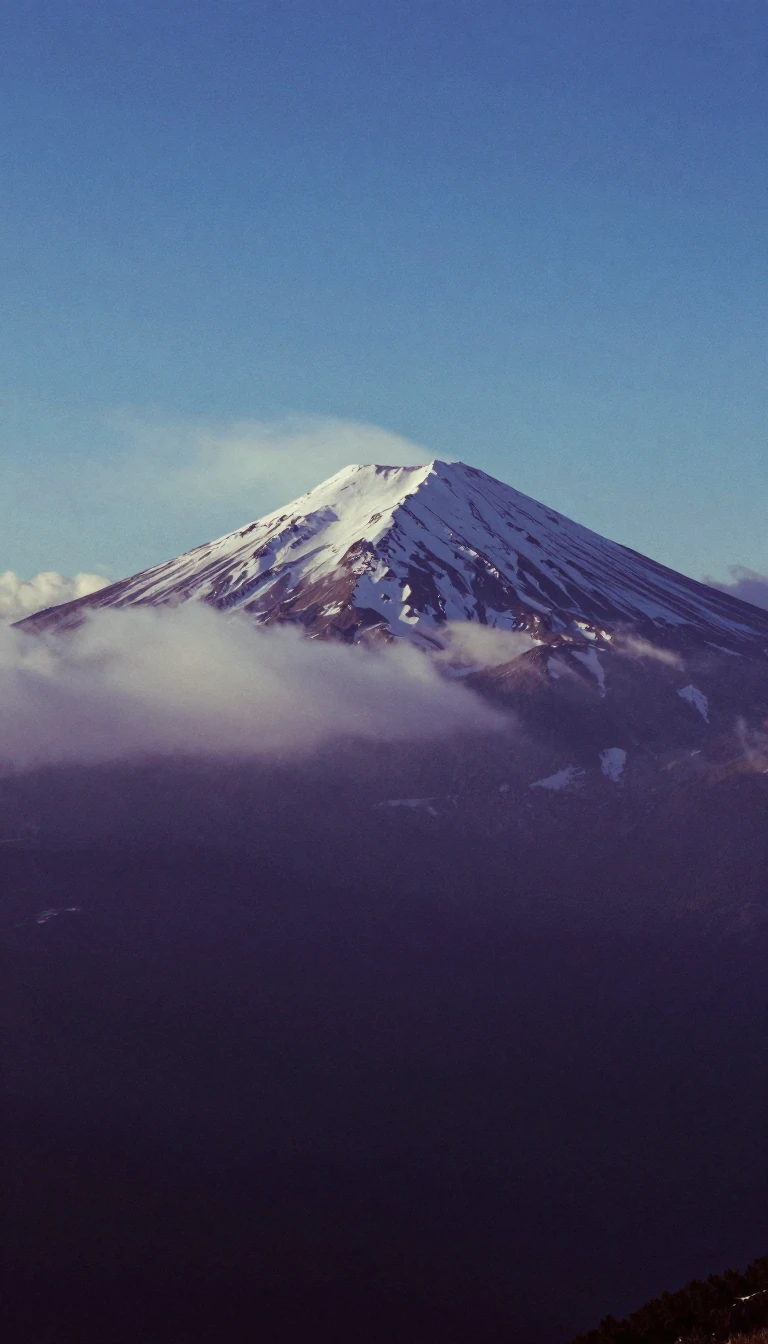
In short: Standing 14,410 feet above sea level, this active stratovolcano dominates the Pacific Northwest skyline. While long considered the region's crowning peak, recent surveys suggest its icy summit is retreating. Beneath its frozen exterior lies a complex history of Indigenous stewardship, volcanic danger, and a delicate, high-altitude ecosystem.
Mount Rainier is a massive stratovolcano and the highest point in both Washington state and the Cascade Range. Known to various local Indigenous groups—including the Nisqually, Cowlitz, and Yakama—by names such as Tahoma, the mountain serves as a vital source for five major rivers. Its slopes are a diverse environment, transitioning from dense, old-growth temperate rainforests at lower elevations to subalpine meadows and permanent snowfields near the top. The park protects nearly 370 square miles of this landscape, which supports a wide array of wildlife, from black bears and elk to hoary marmots and mountain goats.
The mountain’s status as a glaciated peak is central to its identity, as it holds more glacial ice than any other mountain in the contiguous United States. However, this icy crown is not static. Geothermal heat from the volcano creates a network of caves within the summit craters, and climate-driven melting is actively reshaping the peak. Recent surveys indicate that the Columbia Crest, long held as the highest point, is shrinking, leading experts to suggest the Southwest Rim may now be the true summit. This geological instability is matched by the mountain's volcanic nature; although it has been quiet since the 1890s, it remains an active volcano.
Designated as a national park in 1899 by President William McKinley, the area is managed with a focus on balancing public access with wilderness preservation. Rangers emphasize Leave No Trace principles, particularly for the thousands of climbers who attempt the technical ascent each year. Beyond the summit, the park offers a vast network of trails, such as the 93-mile Wonderland Trail, which encircles the massif. Whether viewed from the wildflower-filled meadows of Paradise or the high-country lookouts at Sunrise, the mountain remains a powerful, shifting presence that demands both awe and careful stewardship from those who visit.
Opens the Intellect+ feed with this card first. Swipe up for the next one.
Sources
- Summary by Intellect · source: Everything you should know about Mount Rainier National Park
- Also: Mount Rainier | National Park, History, Eruptions, & Map | Britannica
- Also: Mount Rainier National Park (U.S. National Park Service)
- Also: Mount Rainier
To cite this card, link to https://intellectplus.co.uk/app/places-mount-rainier.
How we source, check and correct cards: Editorial standards.
General information, not professional advice. Spotted an error? Flag the card or see corrections and complaints.
Intellect Plus is a visual educational discovery platform for exploring fascinating facts and ideas. Brain Food, Not Brain Rot. What is Intellect Plus?
Related
More in Mountain peaks and volcanos · More in Countries & Cities · Latest · A–Z · All topics
