How rocks flow like fluids through brittle fractures in the Earth
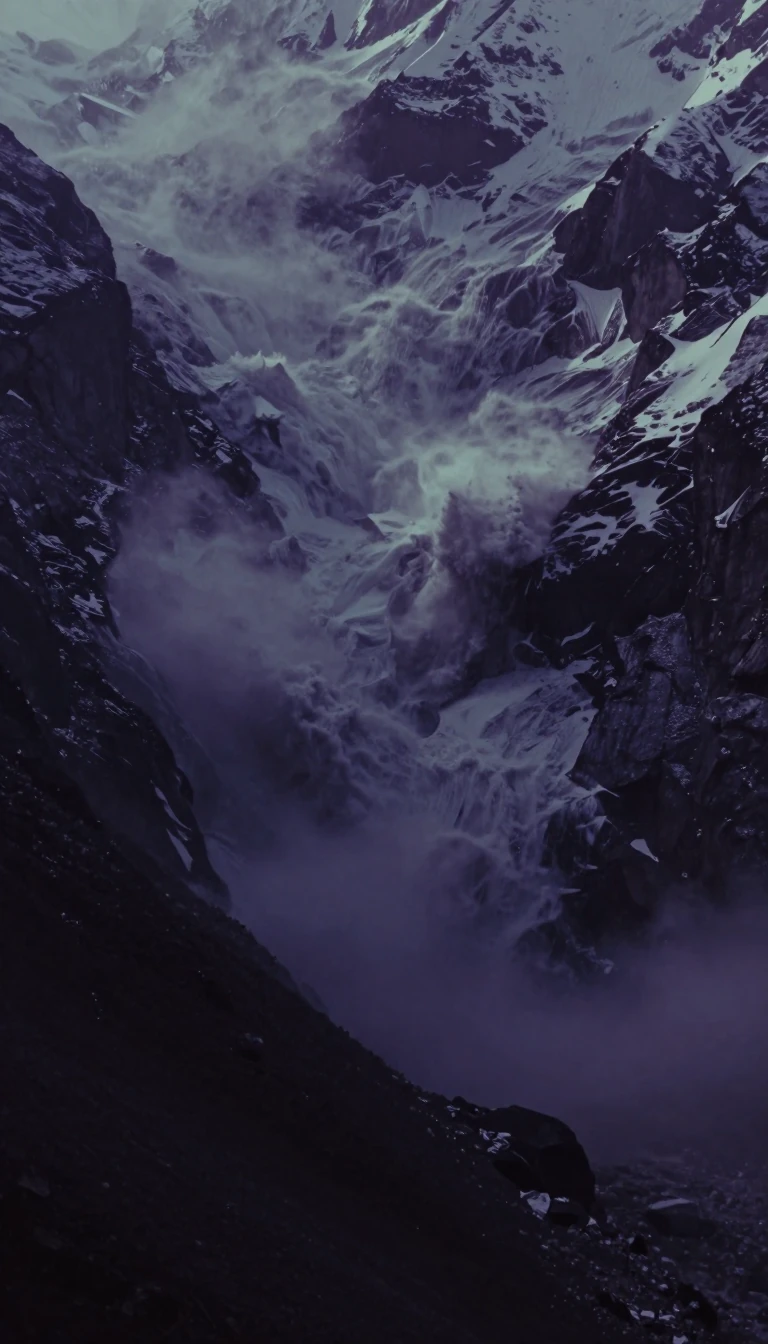
In short: When tectonic plates grind against one another, they don't just snap; they crush and flow. This process creates cataclasite, a unique fault rock that behaves like a cohesive fluid despite being formed by the violent, brittle fracturing of solid minerals in the upper crust.
Cataclasites are products of 'comminution'—the progressive fracturing of mineral grains and aggregates. Unlike mylonites, which form through ductile deformation where crystals stretch or recrystallize, cataclasites form in environments with insufficient heat for plastic flow. In these low-temperature zones, typically the uppermost 10–12 km of the continental crust, minerals like quartz fracture rather than elongate. This crushing, combined with frictional sliding and grain rotation, results in a process called 'cataclasis.'
The defining characteristic of cataclasite is its cohesion. While fault gouge is incohesive and fault breccia contains coarse fragments larger than 2 millimeters (making up at least 30% of the rock), cataclasites consist of pre-existing wall rock fragments held together by a matrix of crushed microfragments. Geologist Sibson established a classification system based on this matrix volume: protocataclasite contains less than 50% matrix, mesocataclasite occupies between 50 and 90 percent, and ultracataclasite exceeds 90 percent.
Perhaps most surprising is the concept of 'cataclastic flow.' While we often associate brittle deformation with jagged breaks, the combination of comminution and grain rotation allows rocks to macroscopically flow over wide zones. Furthermore, while cataclasites often lack an oriented fabric, experimental evidence shows that some can develop a foliation solely through brittle mechanisms. This distinguishes them from traditional ductile rocks and highlights how the Earth's crust manages massive stress by turning solid stone into a flowing, granular paste.
Because quartz is a primary mineral in many crustal rocks, its brittle-ductile transition serves as a key indicator for where these formations occur. By identifying the point where minerals stop deforming plastically and begin to fracture, geologists can map the boundaries of cataclasite formation within the Earth's structural architecture.
Opens the Intellect+ feed with this card first. Swipe up for the next one.
Sources
- Summary by Intellect · source: Cataclasite
To cite this card, link to https://intellectplus.co.uk/app/nature-cataclasite.
How we source, check and correct cards: Editorial standards.
General information, not professional advice. Spotted an error? Flag the card or see corrections and complaints.
Intellect Plus is a visual educational discovery platform for exploring fascinating facts and ideas. Brain Food, Not Brain Rot. What is Intellect Plus?
Related
More in Geology · More in Nature · Latest · A–Z · All topics
