Can a cloud really burst like a water balloon and flood an entire city?
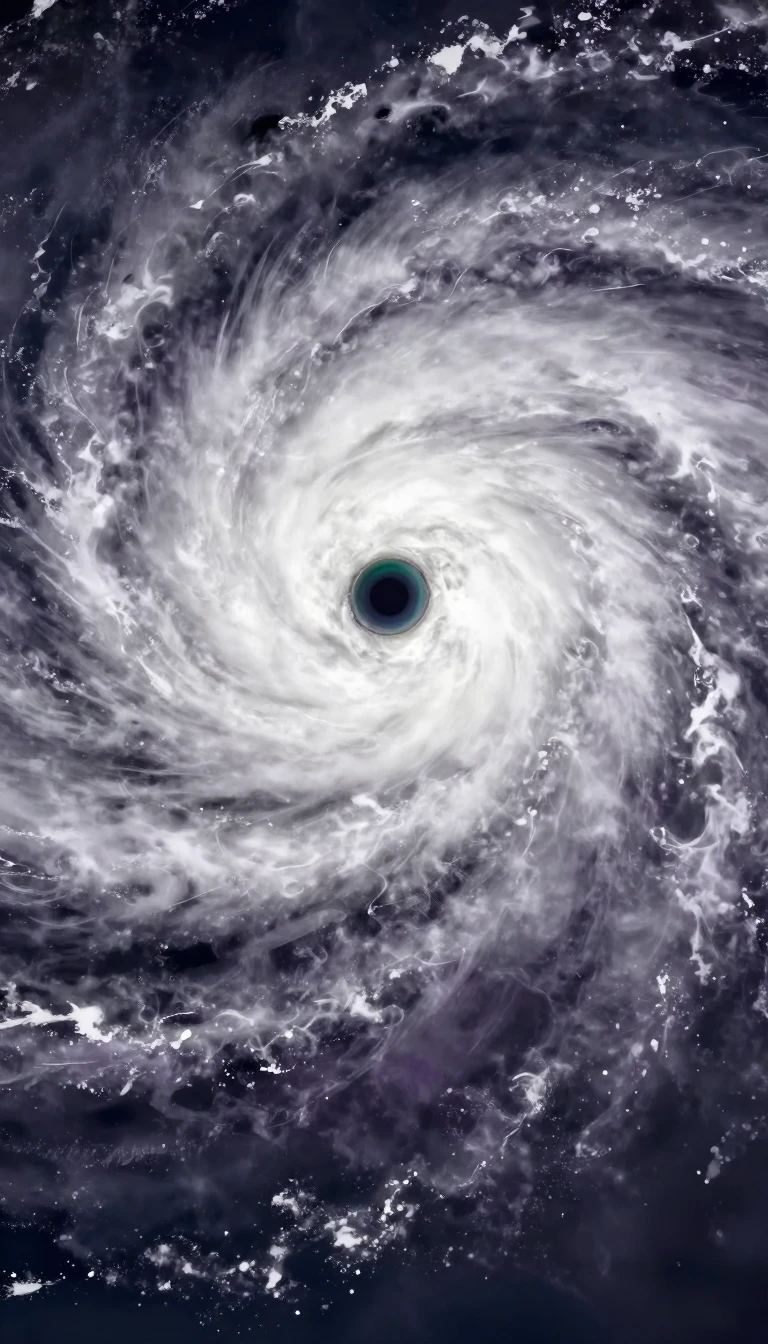
In short: The term cloudburst evokes a dramatic image of a ruptured sky, but the reality is a complex atmospheric phenomenon. These intense, localized deluges can dump enormous volumes of water in minutes, triggering catastrophic flash floods that reshape landscapes and claim thousands of lives annually across the globe.
A cloudburst is defined by a sudden, extreme volume of precipitation occurring over a very brief period. While the historical metaphor suggests clouds behave like water balloons that can burst, this has been disproven. Instead, these events are driven by violent atmospheric uprushes that suspend condensing raindrops until they fall in a concentrated torrent. This process is often linked to the Langmuir precipitation mechanism, where large droplets grow rapidly by coagulating with smaller, slower-falling droplets within cumulonimbus clouds that can reach 15 kilometers in height.
The consequences of these events are frequently disastrous. Because cloudbursts are highly localized and often occur in mountainous regions, they are notoriously difficult to predict. Satellites and weather models often lack the resolution to detect them, as they may cover areas smaller than the sensors' field of view. When a cloudburst strikes, the resulting flash flood can rise in less than six hours, producing walls of water capable of uprooting trees, destroying infrastructure, and washing away entire settlements. In urban environments, such as the 2005 Mumbai event that saw 950 millimeters of rain in under ten hours, the impact is magnified by impervious surfaces and infrastructure failures.
Climate change is likely exacerbating these risks. As global temperatures rise, the atmosphere gains a greater capacity to hold moisture—increasing by 7 percent for every 1 °C of warming. This additional water vapor provides more fuel for heavy precipitation, potentially increasing both the frequency and intensity of cloudbursts. With flash floods already ranking among the deadliest weather-related phenomena, causing over 5,000 deaths annually, understanding the interaction between moisture convergence and terrain remains a critical challenge for meteorologists seeking to mitigate future catastrophes.
Opens the Intellect+ feed with this card first. Swipe up for the next one.
Sources
- Summary by Intellect · source: Cloudburst | Precipitation, Flooding & Rainfall | Britannica
- Also: Cloudburst
To cite this card, link to https://intellectplus.co.uk/app/nature-cloudburst.
How we source, check and correct cards: Editorial standards.
General information, not professional advice. Spotted an error? Flag the card or see corrections and complaints.
Intellect Plus is a visual educational discovery platform for exploring fascinating facts and ideas. Brain Food, Not Brain Rot. What is Intellect Plus?
Related
More in Air · More in Nature · Latest · A–Z · All topics
