The Clydesdale horse: From Scottish farm workhorse to global icon of power and prestige
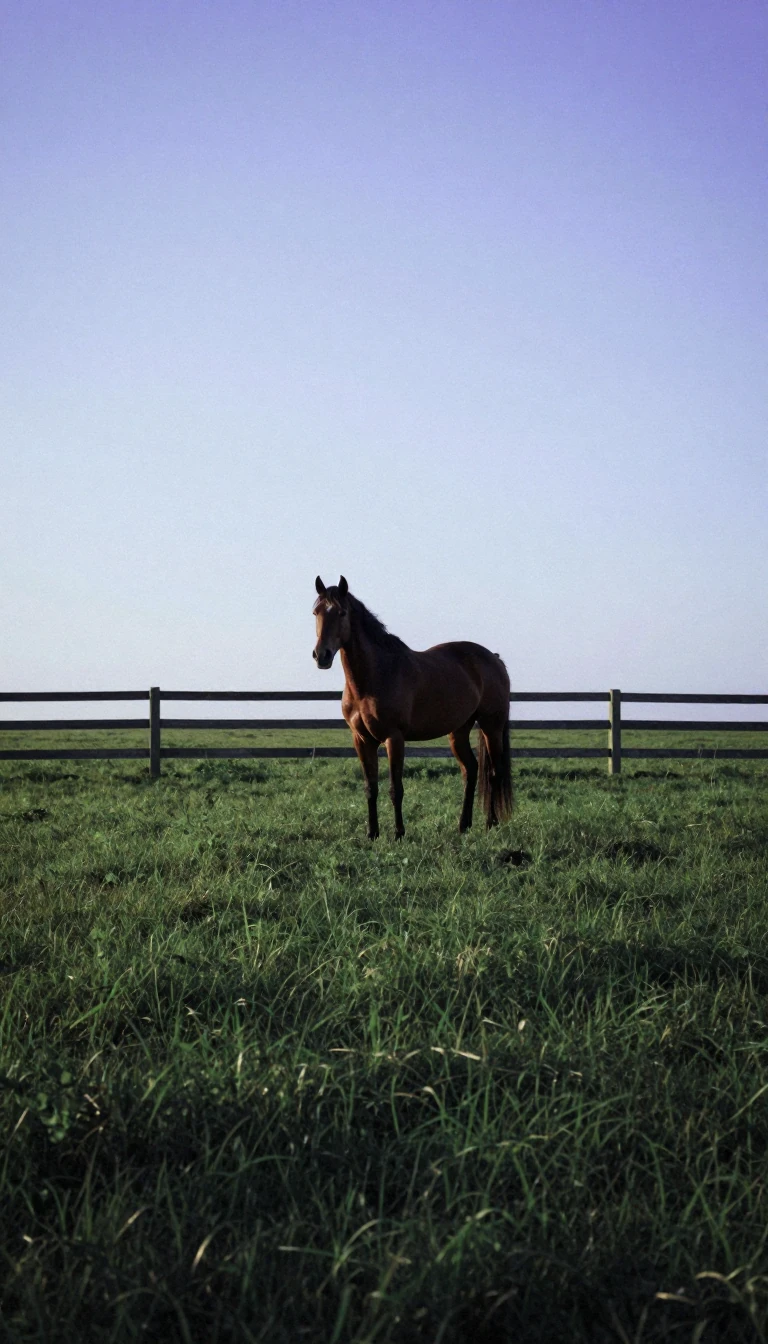
In short: Once the backbone of Scottish agriculture and heavy haulage, the Clydesdale horse has evolved from a compact draught animal into a towering, feathered showpiece. While their numbers have fluctuated wildly due to war and mechanization, this iconic breed remains a symbol of strength, now facing new challenges in modern conservation.
Originating in the seventeenth century in the valley of the River Clyde, the Clydesdale was forged by crossing local Scottish mares with imported Flemish and Friesian stallions. By 1826, the name was firmly established, and a unique system of hiring stallions—where local societies awarded prizes to the best animals for regional breeding—helped standardize the type. By 1840, the Clydesdale had become the definitive Scottish draught horse, eventually spreading across the British Empire and beyond.
The breed's physical appearance has shifted dramatically over time. In the 1920s and 1930s, Clydesdales were relatively compact, but mid-century breeding goals prioritized height and a more impressive, parade-ready silhouette. Today, they typically stand 162 to 183 cm tall. Their signature look—often bay or brown with extensive white feathering on the lower legs—is heavily influenced by the famous Budweiser Clydesdales, whose strict aesthetic standards have shaped public perception of the breed.
Despite their fame, the Clydesdale has faced significant population declines. The First World War and the subsequent mechanization of farming caused numbers to plummet, leading the Rare Breeds Survival Trust to label them vulnerable by the 1970s. While a brief recovery occurred in the 1990s, an economic downturn around 2010 triggered a sharp decline in North America. Today, the breed is listed as threatened, with a global population estimated at fewer than 5,000 horses.
Beyond their numbers, the breed faces specific health concerns, including chronic progressive lymphedema and a skin condition colloquially known as Clyde's itch. Furthermore, their genetic influence is vast; they have been used to crossbreed with various other horses, from the Irish Draught to the Gypsy horse. While their role as 'the breed that built Australia' is cemented in history, their future now depends on careful conservation efforts to maintain genetic diversity and population stability.
Opens the Intellect+ feed with this card first. Swipe up for the next one.
Sources
- Summary by Intellect · source: Clydesdale horse
To cite this card, link to https://intellectplus.co.uk/app/nature-clydesdale-horse.
How we source, check and correct cards: Editorial standards.
General information, not professional advice. Spotted an error? Flag the card or see corrections and complaints.
Intellect Plus is a visual educational discovery platform for exploring fascinating facts and ideas. Brain Food, Not Brain Rot. What is Intellect Plus?
Related
More in Animal breeds and hybrids · More in Nature · Latest · A–Z · All topics
