Why the continents are Earth's most enduring archive of its own ancient history
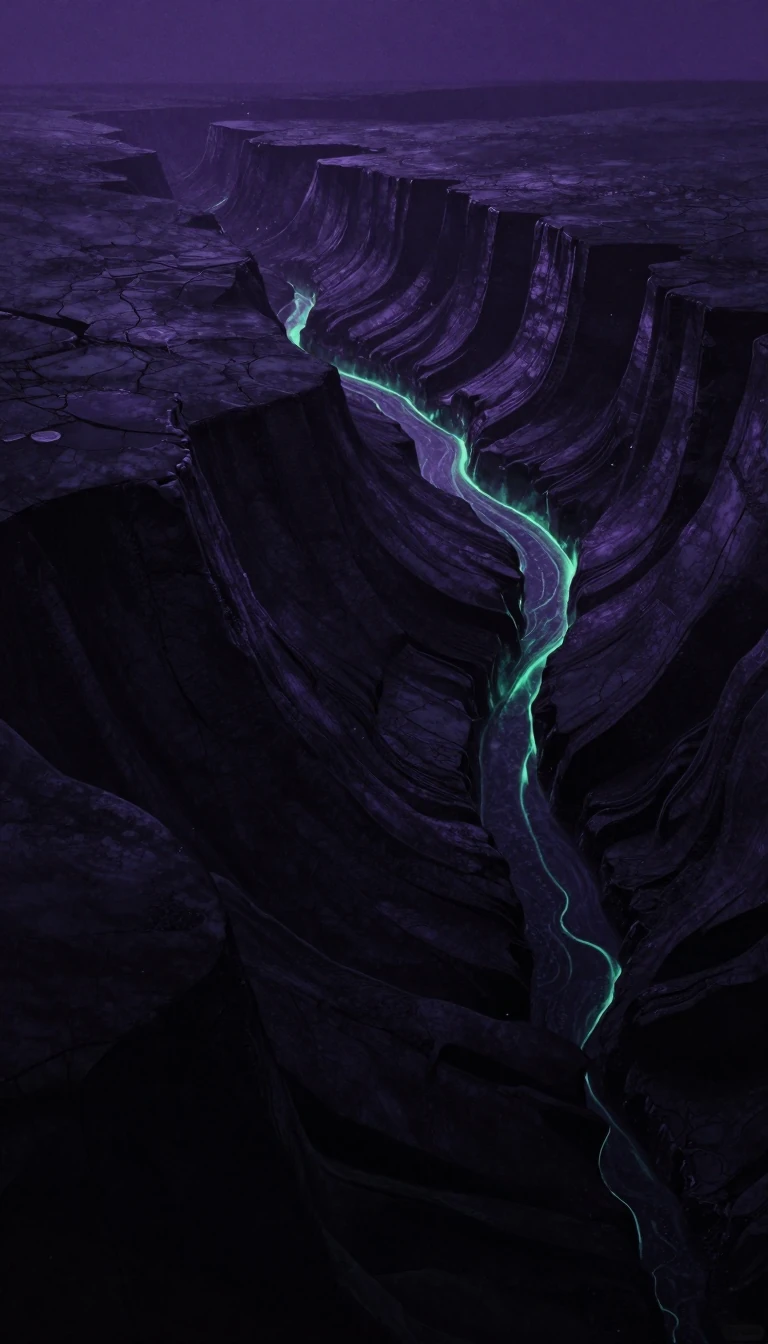
In short: Continental crust is the buoyant, thick layer that forms our landmasses, separating them from the denser, ephemeral oceanic crust below. Because it resists subduction, it acts as a geological vault, preserving rocks billions of years old. Its existence is the reason complex life could evolve on dry land.
Continental crust is fundamentally distinct from the oceanic crust that covers most of the planet. While oceanic crust is thin—averaging 7 to 10 km—and dense, continental crust is significantly thicker, ranging from 25 to 70 km. This buoyancy is critical; when these two crustal types meet at subduction zones, the denser oceanic plate is forced into the mantle, while the continental crust persists. This relative permanence makes continental fragments the best archive of Earth's history, holding rocks like the 4.01 Ga Acasta Gneiss, whereas oceanic crust is rarely older than the Jurassic period.
The composition of this crust is intermediate, rich in aluminium silicates, and often divided into a felsic upper layer and a more mafic lower layer. Its formation is primarily driven by mantle-derived melts at magmatic arcs, though the exact rates of growth and recycling remain subjects of intense scientific debate. Some researchers argue for a steady-state model where the total volume has remained constant, while others point to evidence of episodic growth, suggesting that roughly 60% of today's volume was established between 3.0 and 2.5 Ga.
The evolution of this crust is inseparable from the history of life. By providing dry land and shallow epeiric seas, the crust created the necessary environments for the Cambrian explosion of complex metazoan life. Today, the crust is in a constant state of flux, shaped by the supercontinent cycle where landmasses rift, collide, and recoalesce. Despite its apparent stability, the crust is constantly being modified by erosion, tectonic forces, and the ongoing recycling of material back into the mantle, ensuring that the face of our planet remains in perpetual motion.
While the mechanisms of its formation—such as fractional differentiation and the assimilation of pre-existing rock—are well-studied, the broader history of the crust remains contested. Questions persist regarding how much of the crust existed in the earliest eons and whether plate tectonics has been the dominant force throughout all of Earth's history. These uncertainties highlight that while we live upon the continents, we are still deciphering the complex processes that built them.
Opens the Intellect+ feed with this card first. Swipe up for the next one.
Sources
- Summary by Intellect · source: Continental crust
- Also: commons.library.stonybrook.edu — The Continental Crust: Its Composition and Evolution
To cite this card, link to https://intellectplus.co.uk/app/nature-continental-crust.
How we source, check and correct cards: Editorial standards.
General information, not professional advice. Spotted an error? Flag the card or see corrections and complaints.
Intellect Plus is a visual educational discovery platform for exploring fascinating facts and ideas. Brain Food, Not Brain Rot. What is Intellect Plus?
Related
More in Geology · More in Nature · Latest · A–Z · All topics
