The core-mantle boundary is not a simple line, but a complex, active frontier.
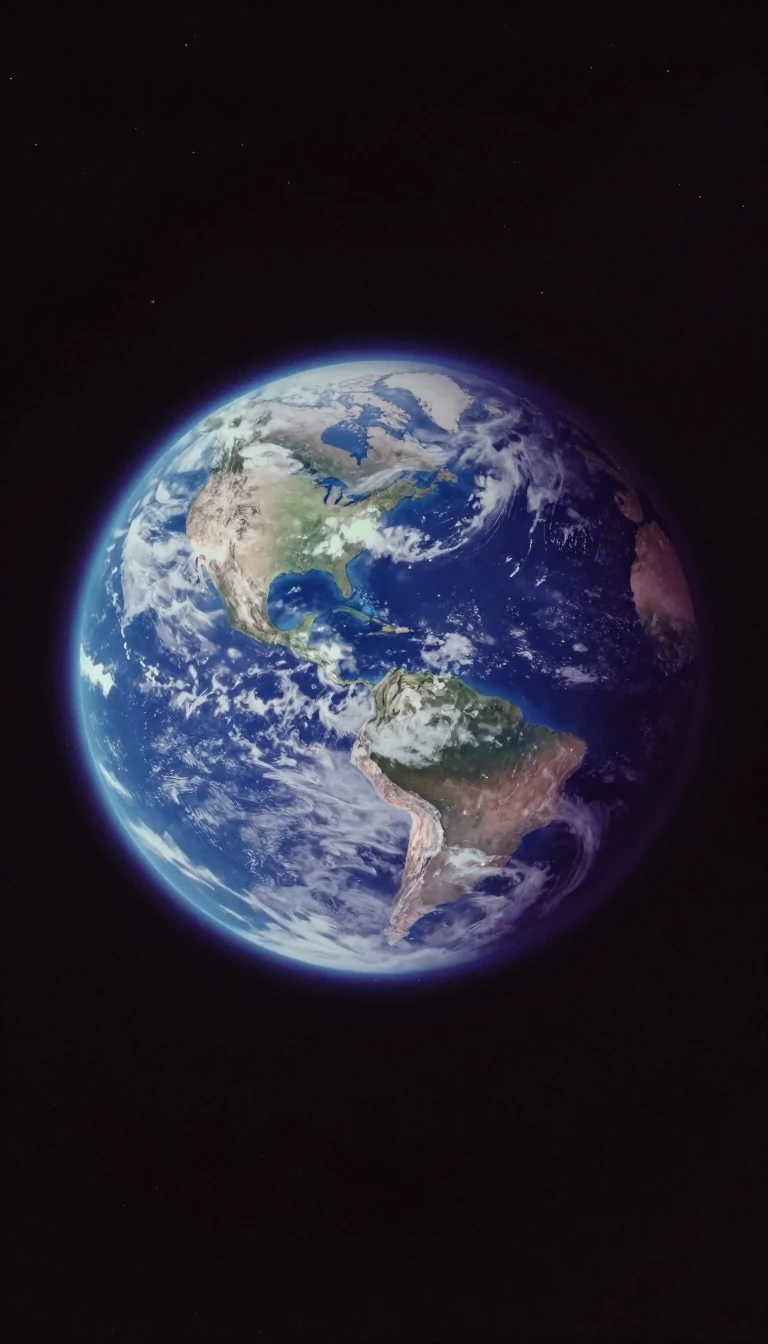
In short: Deep beneath our feet, the interface between Earth's rocky mantle and liquid iron core was long viewed as a sharp, static divide. Modern seismology reveals a far more chaotic reality: a dynamic, compositionally layered region that dictates everything from the movement of tectonic plates to the strength of our magnetic field.
Located approximately 2900 km below the surface, the core-mantle boundary (CMB) marks the transition from the solid silicate mantle to the liquid iron outer core. While traditional models treated this as a clean discontinuity, recent observations suggest it is a complex, heterogeneous zone. The density contrast across this boundary is massive—exceeding 4 g/cm3—which is greater than the difference between rock and air at the surface. This extreme shift creates a unique environment where material can become trapped, potentially forming a global layer or isolated patches known as ultra-low velocity zones (ULVZs).
These ULVZs, which sit directly atop the CMB, are characterized by seismic velocities 10–50% lower than the surrounding mantle and can reach thicknesses of tens of kilometers. Their origins remain a subject of intense debate. Scientists propose they may consist of primordial material left over from an ancient magma ocean, or perhaps near-surface rocks that have been subducted deep into the mantle. Alternatively, chemical reactions between the iron core and the silicate mantle could be creating new, dense mineral phases that accumulate at the interface, effectively 'snowing' upwards as the core cools.
The implications of this complexity are profound. The heat flux across the CMB drives the vigorous convection of the liquid outer core, which generates Earth's geomagnetic field. Simultaneously, it influences the much slower convection of the mantle, which powers plate tectonics. Because the CMB modulates these global-scale processes, its internal structure and chemical composition are fundamental to understanding the long-term evolution and habitability of our planet. As seismological techniques reach their observational limits, researchers are increasingly viewing this remote region as the most geologically active zone on Earth.
Opens the Intellect+ feed with this card first. Swipe up for the next one.
Sources
- Summary by Intellect · source: The emerging picture of a complex core-mantle boundary - Nature Communications
- Also: The Core-Mantle Boundary
- Also: Core–mantle boundary
To cite this card, link to https://intellectplus.co.uk/app/nature-core-mantle-boundary.
How we source, check and correct cards: Editorial standards.
General information, not professional advice. Spotted an error? Flag the card or see corrections and complaints.
Intellect Plus is a visual educational discovery platform for exploring fascinating facts and ideas. Brain Food, Not Brain Rot. What is Intellect Plus?
Related
More in Geology · More in Nature · Latest · A–Z · All topics
