How massive chunks of continent drift away to become isolated, submerged islands
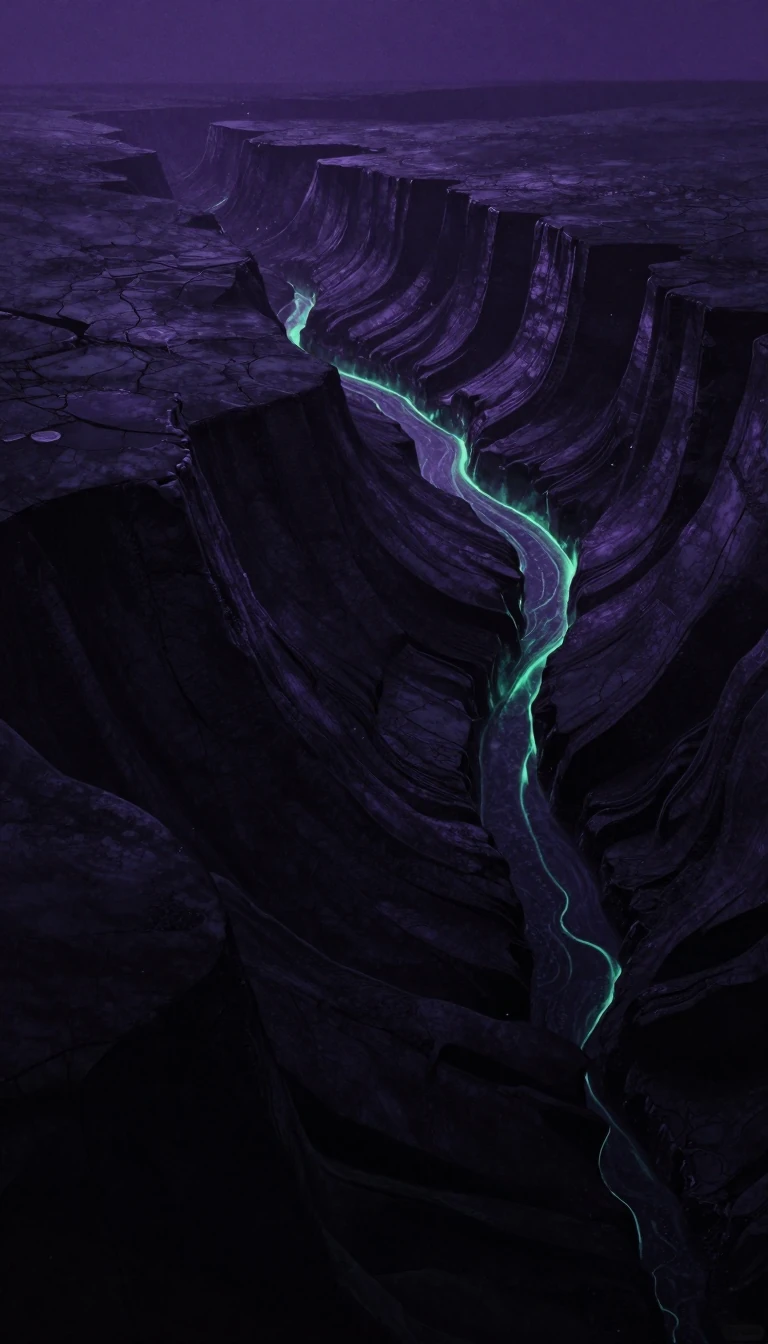
In short: Continental fragments are pieces of land that break away from main masses, drifting hundreds of kilometers to form distinct islands. While they share the same crustal composition as major continents, their journey is defined by violent tectonic rifting and strike-slip faults that slice them into detachable, shifting slivers.
Continental fragments, often synonymous with microcontinents, are geological anomalies that challenge our perception of static landmasses. These fragments are not merely random islands; they are composed of crustal material nearly identical to regular continental crust, with an average density of 2.81 g/cm3. Their formation is a byproduct of intense tectonic activity, specifically the rifting process that alters their thickness and introduces mafic intrusions. While typical continental crust is thicker, these fragments maintain an average crustal thickness of approximately 24.8 ± 5.7 kilometres, often topped by a sedimentary layer reaching up to 5 kilometres in depth.
The mechanism driving this separation involves strike-slip fault zones. These zones act as the primary engines of fragmentation, linking extensional areas and facilitating rapid crustal thinning. By creating near-vertical faults, these zones develop complex fault-block patterns that effectively carve out portions of a continent. This process is responsible for the existence of diverse landmasses like Madagascar, the Seychelles, and the submerged expanse of Zealandia. Some of these fragments, such as the Kerguelen Plateau, are linked to the breakup of ancient supercontinents like Gondwana, though their classification can be complex due to volcanic activity or subsequent submersion.
Classification remains a point of geological debate, particularly in regions like the eastern Indonesian Archipelago, where islands such as Timor and Sumba are considered fragments by some, despite the complexity of the local tectonics. Distinguishing these from other islands is crucial; landmasses like the British Isles or Sri Lanka are not continental fragments because they remain within the continental shelf of an adjacent mainland. As we look to the future, the process continues, with a proto-microcontinent currently forming in the Davis Strait between Greenland and Canada, proving that the earth's crust remains in a state of constant, slow-motion rearrangement.
Opens the Intellect+ feed with this card first. Swipe up for the next one.
Sources
- Summary by Intellect · source: Continental fragment
To cite this card, link to https://intellectplus.co.uk/app/nature-continental-fragment.
How we source, check and correct cards: Editorial standards.
General information, not professional advice. Spotted an error? Flag the card or see corrections and complaints.
Intellect Plus is a visual educational discovery platform for exploring fascinating facts and ideas. Brain Food, Not Brain Rot. What is Intellect Plus?
Related
More in Geology · More in Nature · Latest · A–Z · All topics
