The Grand Canyon is a giant record of ancient seas rising and falling
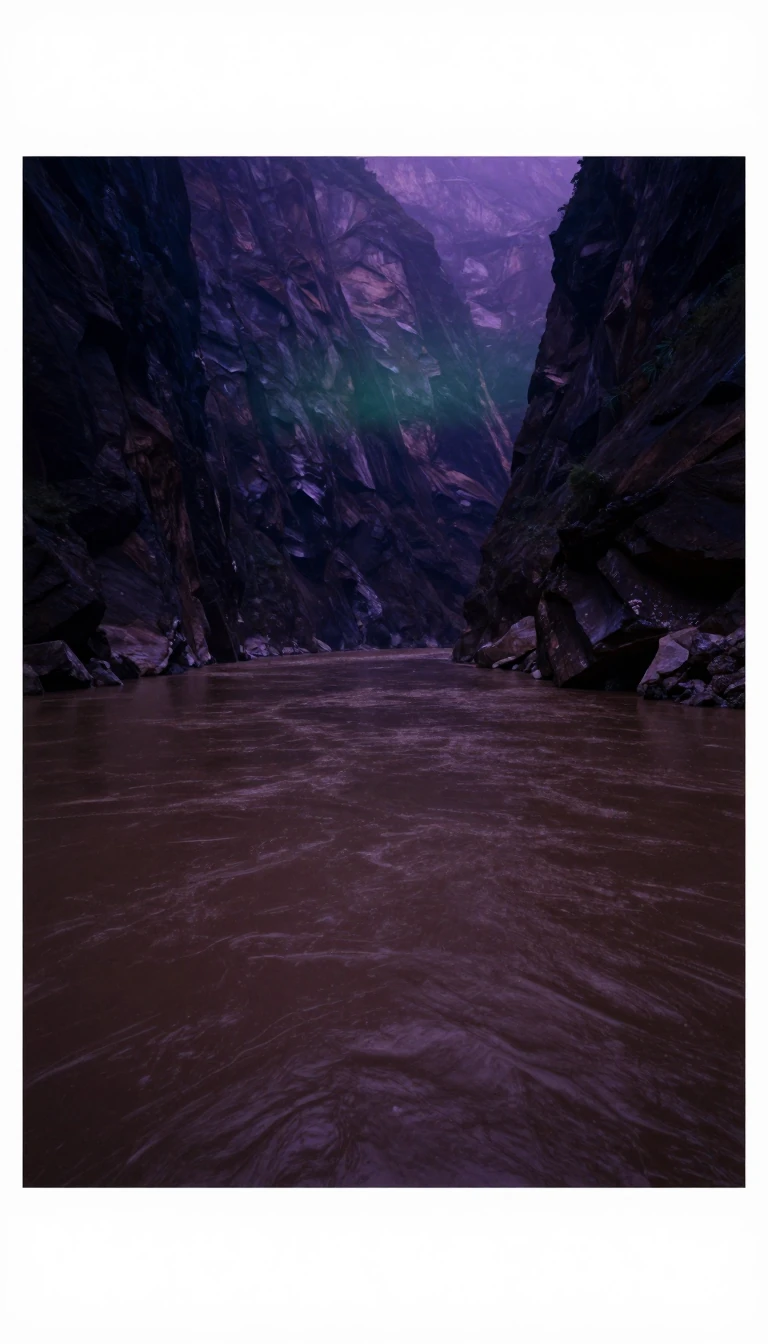
In short: Geologists use cratonic sequences to track how massive inland seas once flooded North American continents. These cycles of transgression and regression left behind distinct layers of sedimentary rock, creating a geological diary of our planet's shifting sea levels. Understanding these sequences reveals how seafloor spreading dictates the shape of our world.
First proposed by Laurence L. Sloss in 1963, a cratonic sequence represents a large-scale cycle of marine activity across a block of continental crust. These sequences are defined by their boundaries: craton-wide unconformities, which are significant time gaps in the rock record. These gaps mark periods when seas receded, causing erosion to strip away material rather than depositing new layers. When the seas were present, they left behind the sedimentary rock layers we observe today in landmarks like the Grand Canyon.
The primary driver behind these cycles is thought to be eustatic, or global, sea-level change, specifically linked to the volume of mid-ocean ridges. When seafloor spreading rates accelerate, mid-ocean ridges expand and heat up, causing the lithosphere to elevate. This physical displacement forces seawater to spill onto the continents. Conversely, when spreading rates slow, the ridges subside, and the seas drain away. While this mechanism explains much of the process, it is not the only factor; scientists also consider dynamic topography caused by mantle mass anomalies and intraplate stress as potential contributors to the uplift and subsidence of the craton.
Since the start of the Cambrian Period, North America has experienced six distinct cratonic sequences: the Sauk, Tippecanoe, Kaskaskia, Absaroka, Zuñi, and Tejas. While these sequences provide a clear history for North America, identifying identical patterns on other continents has proven difficult. This inconsistency suggests that while global sea-level changes play a role, they are likely not the sole mechanism responsible for these massive geological shifts. The study of these sequences remains a vital part of sequence stratigraphy, helping researchers analyze how groups of sedimentary deposits reflect the complex, ever-changing environment of the ancient Earth.
Opens the Intellect+ feed with this card first. Swipe up for the next one.
Sources
- Summary by Intellect · source: Cratonic sequence
To cite this card, link to https://intellectplus.co.uk/app/nature-cratonic-sequence.
How we source, check and correct cards: Editorial standards.
General information, not professional advice. Spotted an error? Flag the card or see corrections and complaints.
Intellect Plus is a visual educational discovery platform for exploring fascinating facts and ideas. Brain Food, Not Brain Rot. What is Intellect Plus?
Related
More in Geology · More in Nature · Latest · A–Z · All topics
