The ancient mammal that survived Arctic winters by eating fungi in total darkness
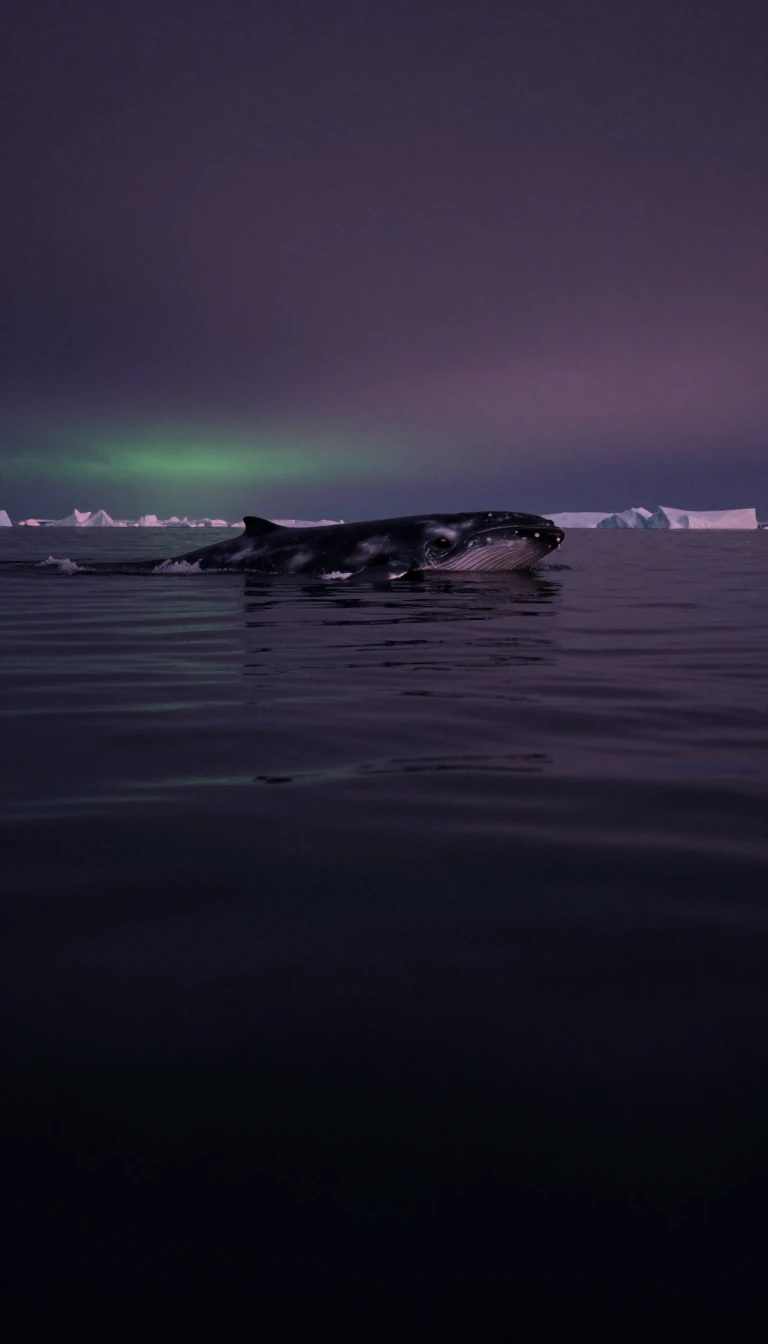
In short: Coryphodon was a robust, semi-aquatic browser that roamed the Eocene world. While most mammals might migrate or hibernate to escape harsh conditions, this creature adapted to the Arctic Circle by shifting its diet between lush summer vegetation and a winter menu of leaf litter, twigs, and fungi.
Living between approximately 63.5 and 52 million years ago, Coryphodon was a member of the pantodonts, an archaic group of large browsing mammals. Reaching about one meter at the shoulder and weighing roughly 500 kilograms, it was among the largest fauna of its time. Despite its size, it possessed one of the smallest brain-to-body ratios of any mammal, with a brain weighing only 90 grams. Its anatomy, featuring stout limbs and reduced neural spines, suggests a semi-aquatic lifestyle similar to that of a modern hippopotamus, though it is not closely related to any living species.
The genus is particularly notable for its resilience in extreme environments. Fossils discovered on Ellesmere Island, near Greenland, indicate that populations thrived north of the Arctic Circle. During the Eocene, these regions experienced months of perpetual summer daylight followed by extended periods of total darkness. Isotopic analysis of tooth enamel reveals that Coryphodon did not migrate south or hibernate. Instead, it practiced seasonal dietary switching: consuming soft flowering plants and leaves during the summer, and pivoting to fungi, twigs, and leaf litter when photosynthesis became impossible during the dark winter months.
Taxonomically, the genus has a history of significant confusion. Since the first fossil was unearthed in Wyoming, researchers have synonymized five described genera and declared thirty-five proposed species invalid. Evolutionary studies suggest that Coryphodon body size fluctuated in response to global climate shifts, with a notable size minimum occurring shortly after the Paleocene-Eocene boundary. Today, it remains a fascinating example of evolutionary adaptation, characterized by its specialized tusks, protective enamel chevrons, and a unique ability to survive in the high-latitude forests of the ancient Arctic.
Opens the Intellect+ feed with this card first. Swipe up for the next one.
Sources
- Summary by Intellect · source: Coryphodon
- Also: Coryphodon | Eocene, Perissodactyls, Herbivore | Britannica
To cite this card, link to https://intellectplus.co.uk/app/nature-coryphodon.
How we source, check and correct cards: Editorial standards.
General information, not professional advice. Spotted an error? Flag the card or see corrections and complaints.
Intellect Plus is a visual educational discovery platform for exploring fascinating facts and ideas. Brain Food, Not Brain Rot. What is Intellect Plus?
Related
More in Vertebrates · More in Nature · Latest · A–Z · All topics
