The Eocene giant that scientists spent two centuries misidentifying as a tapir
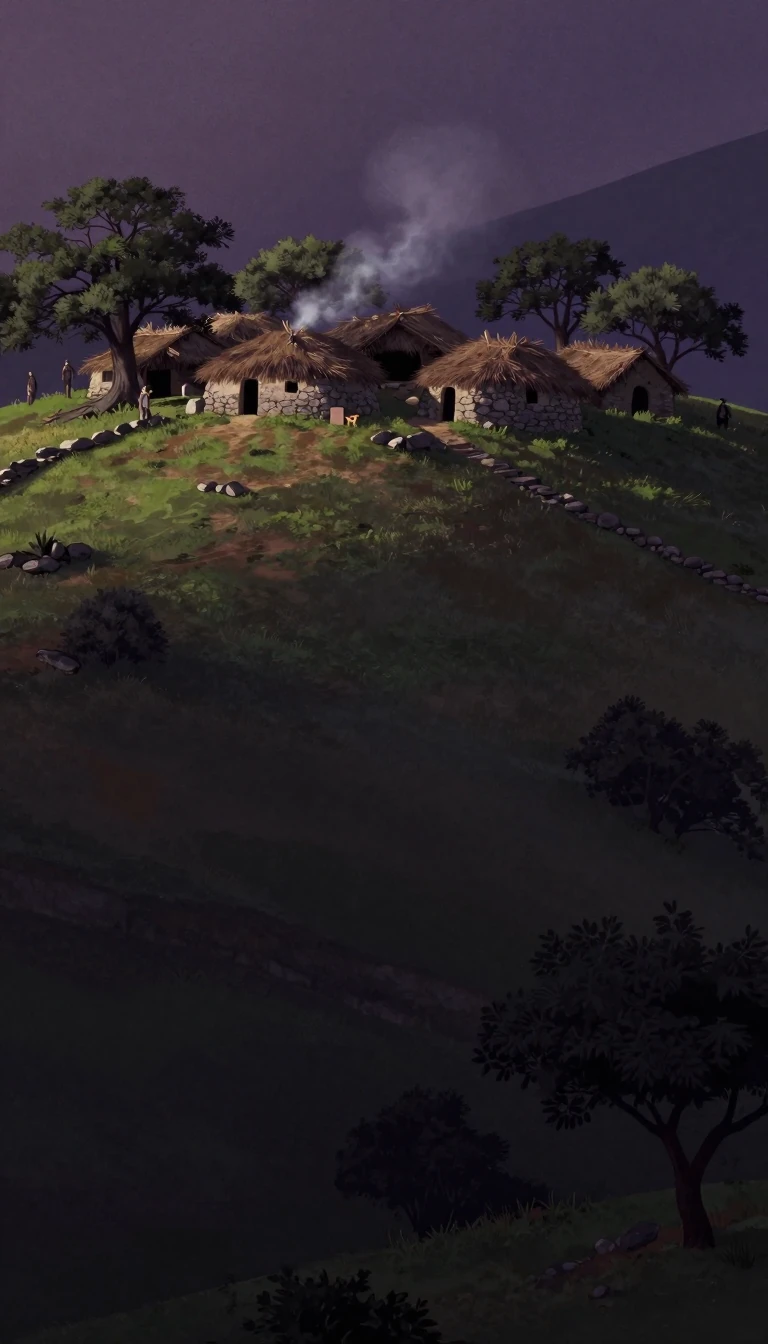
In short: Lophiodon was once the largest animal in the forests of Eocene Europe, yet its identity remained a puzzle for generations. Initially mistaken for a tapir by Georges Cuvier in 1804, this robust perissodactyl evolved from a modest size to a massive two-ton beast before vanishing during a major faunal turnover.
Lophiodon was a genus of endemic perissodactyls that thrived in western Europe during the Eocene epoch. When Georges Cuvier first studied its fossils in 1804, he misidentified them as belonging to tapirs. It was not until 1822 that he formally named the genus, deriving the term from the Greek words for 'crest' and 'tooth' to describe the distinct, hill-like ridges on its molars. These structures were specialized for folivory, allowing the animal to thrive on a leaf-heavy diet within the hot, forested environments of the European archipelago.
The physical evolution of Lophiodon is a remarkable study in size variation. While early species like L. baroensis weighed as little as 62 kilograms, later representatives such as L. rhinocerodes and L. lautricense ballooned to over 2,000 kilograms. This trend toward gigantism was likely an evolutionary response to shifting climates and ecological pressures. Anatomically, the genus was robust and non-cursorial, supported by muscular forelimbs and a primitive foot structure featuring four toes on the front and three on the hind limbs. Contrary to early, outdated scientific interpretations, cranial evidence suggests that Lophiodon lacked the trunk characteristic of modern tapirs.
The taxonomic history of Lophiodon is notoriously complex, marked by centuries of mischaracterization and synonymization. Throughout the 19th century, numerous fossils were incorrectly assigned to the genus, only to be later moved to others like Chalicotherium or Paralophiodon. Even today, the genus remains a subject of active phylogenetic research. By the end of the Middle Eocene, Lophiodon became the last surviving member of its family, the Lophiodontidae, before succumbing to extinction. This disappearance coincided with a broader faunal turnover that also claimed European hyrachyids and sebecian crocodylomorphs, likely driven by environmental changes and increased competition from diversifying palaeotheres. Despite its eventual extinction, Lophiodon stands as a testament to the unique, isolated evolutionary paths taken by mammals in the Eocene archipelago of Europe.
Opens the Intellect+ feed with this card first. Swipe up for the next one.
Sources
- Summary by Intellect · source: Lophiodon
To cite this card, link to https://intellectplus.co.uk/app/nature-lophiodon.
How we source, check and correct cards: Editorial standards.
General information, not professional advice. Spotted an error? Flag the card or see corrections and complaints.
Intellect Plus is a visual educational discovery platform for exploring fascinating facts and ideas. Brain Food, Not Brain Rot. What is Intellect Plus?
Related
More in Vertebrates · More in Nature · Latest · A–Z · All topics
