When the oceans reclaim the land: the mechanics of marine transgression
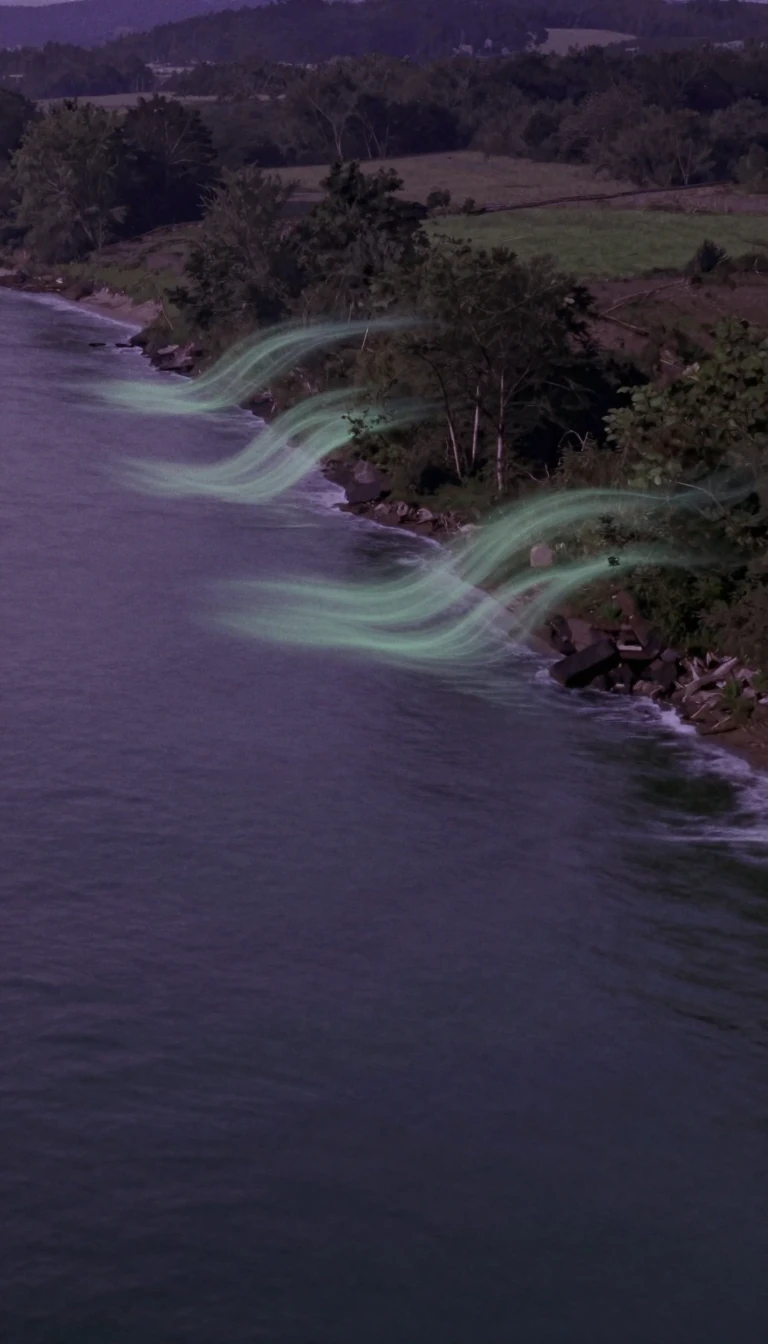
In short: When sea levels rise relative to the land, the shoreline marches inland. This geologic phenomenon, known as marine transgression, can reshape entire continents, turning vast plains into shallow seas and leaving behind distinct sedimentary fingerprints that tell the story of a changing planet.
A marine transgression occurs when the ocean moves toward higher ground, flooding coastal areas. This shift is driven by two primary mechanisms: the ocean basins themselves expanding or filling with more water, or the land itself sinking. These shifts are often triggered by tectonic activity, such as orogenies, or significant climatic shifts like ice ages. Even the removal of massive ice sheets can cause isostatic adjustments, altering how the land sits relative to the sea.
The Cretaceous period provides a dramatic historical example. During this era, seafloor spreading caused the Atlantic basin to become relatively shallow, while the Pacific basin grew deeper. This redistribution reduced the total capacity of the world's ocean basins, forcing sea levels to rise globally. The resulting transgression was so profound that it flooded much of central North America, creating the Western Interior Seaway that stretched from the Gulf of Mexico to the Arctic Ocean.
Geologists identify these events by studying sedimentary facies in the rock column. In a transgression, the sequence shifts from coarse-grained, nearshore sediments like sandstone to fine-grained, offshore sediments like silt or carbonate muds as you move from older to younger rock layers. Conversely, a regression—where sea levels fall—exposes the former seabed. During the Pleistocene Ice Age, for example, water was locked into glaciers, causing the ocean to regress by approximately 120 meters and exposing the Bering land bridge between Alaska and Asia.
While these patterns provide a framework, real-world identification is often complex. Lateral changes in facies or varying water depths can obscure a clear sequence. Interpreting a specific sedimentary column requires careful analysis of these nuances to distinguish true transgressions from other geological shifts.
Opens the Intellect+ feed with this card first. Swipe up for the next one.
Sources
- Summary by Intellect · source: Marine transgression
To cite this card, link to https://intellectplus.co.uk/app/nature-marine-transgression.
How we source, check and correct cards: Editorial standards.
General information, not professional advice. Spotted an error? Flag the card or see corrections and complaints.
Intellect Plus is a visual educational discovery platform for exploring fascinating facts and ideas. Brain Food, Not Brain Rot. What is Intellect Plus?
Related
More in Geology · More in Nature · Latest · A–Z · All topics
