Why Dartmoor's iconic granite tors are actually remnants of deep chemical weathering
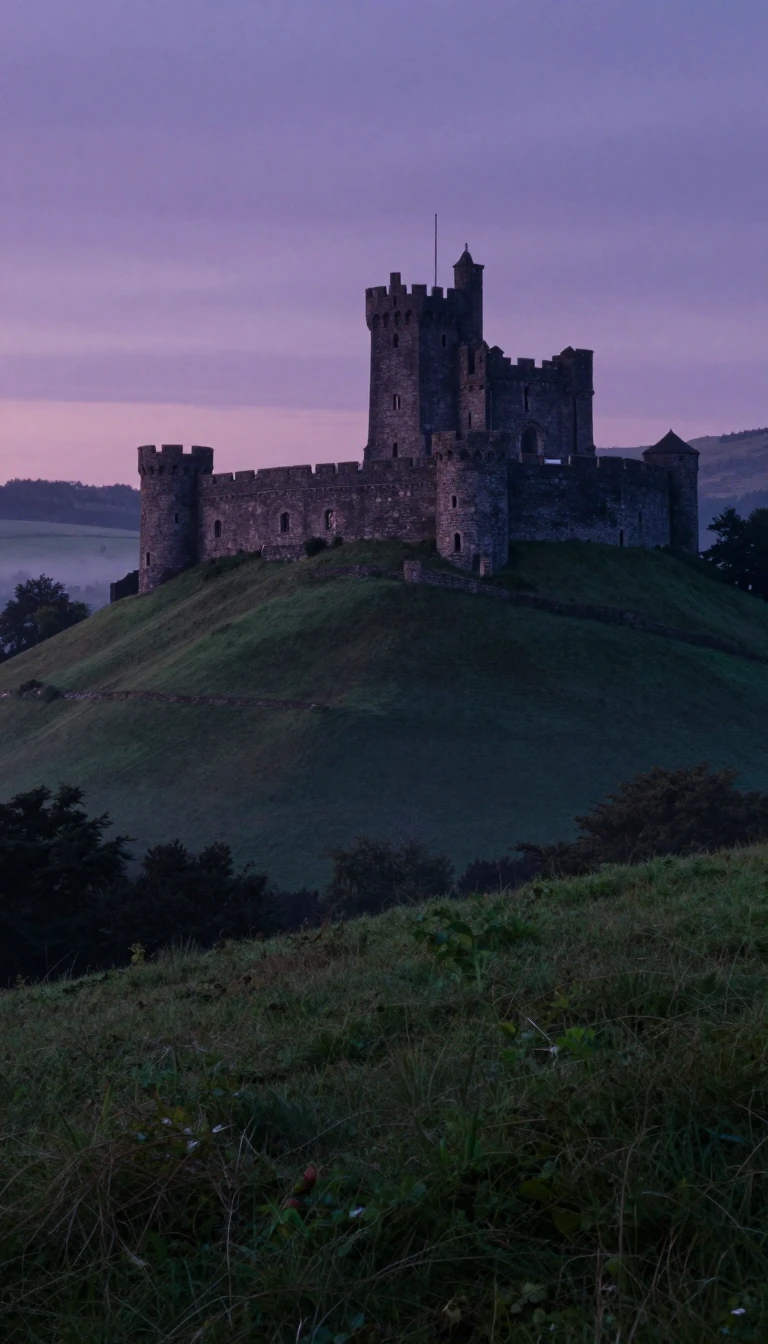
In short: Dartmoor is a vast upland landscape defined by exposed granite hilltops called tors. While they appear as permanent stone monuments, these formations are actually the result of ancient chemical weathering that stripped away surrounding rock. Today, this rugged terrain serves as a vital, carbon-sequestering peatland and a sanctuary for rare wildlife.
Dartmoor, a 954-square-kilometre national park in Devon, is anchored by a massive granite pluton that intruded into sedimentary rock about 309 million years ago. The landscape is famous for its tors—rounded, boulder-like outcrops of bedrock. These are not volcanic peaks but rather the resilient cores of granite left behind after millions of years of chemical weathering eroded the more heavily jointed, softer rock that once surrounded them.
The moor's character is shaped by its high altitude and acidic soils, which have historically discouraged intensive farming. This relative isolation has preserved an extraordinary density of prehistoric remains, particularly from the late Neolithic and early Bronze Age. Over 10,000 hectares of the lower moors are covered by ancient field systems, while thousands of hut circles, stone rows, and kistvaens stand as silent witnesses to a time when the climate was warmer and the hills were forested.
Today, the moor is a complex ecological mosaic. While the granite tors are the most recognizable feature, only about half of the park is true moorland. The rest consists of globally important habitats, including blanket bogs and ancient sessile oak woods like Wistman's Wood. These peatlands are critical for climate mitigation, as they sequester carbon from the atmosphere. The Dartmoor National Park Authority and the South West Peatland Project are currently working to restore hundreds of hectares of this peat, aiming for the entire area to become carbon negative by 2045.
Opens the Intellect+ feed with this card first. Swipe up for the next one.
Sources
- Summary by Intellect · source: Dartmoor
To cite this card, link to https://intellectplus.co.uk/app/nature-dartmoor.
How we source, check and correct cards: Editorial standards.
General information, not professional advice. Spotted an error? Flag the card or see corrections and complaints.
Intellect Plus is a visual educational discovery platform for exploring fascinating facts and ideas. Brain Food, Not Brain Rot. What is Intellect Plus?
Related
More in UK & Ireland: nature · More in Nature · Latest · A–Z · All topics
