Is Glastonbury Tor a natural geological formation or a site of ancient human engineering?
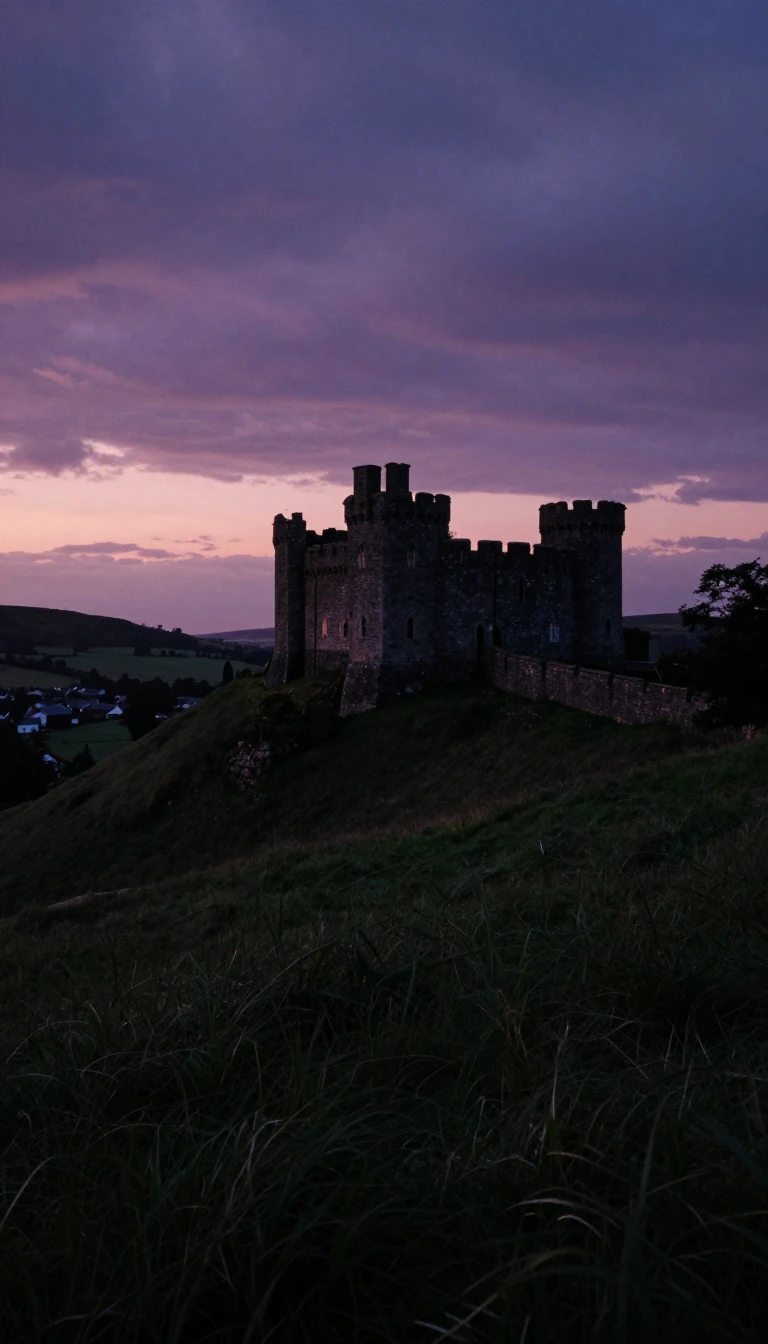
In short: Rising 518 feet above the Somerset Levels, this iconic conical hill is steeped in Arthurian legend and spiritual lore. While its striking terraces have sparked theories of Neolithic labyrinths and defensive ramparts, geologists and historians continue to debate whether these features are the result of natural erosion or medieval agricultural labor.
Glastonbury Tor is a geological curiosity formed from Jurassic-era Lias Group strata, capped by resilient Bridport Sand. Its distinctive shape is the result of erosion acting on softer surrounding deposits, while the iron-rich waters of the nearby Chalice Well have historically reinforced the sandstone through the precipitation of ferric oxides. Despite its natural origins, the hill is defined by seven symmetrical terraces known as lynchets. Theories regarding their purpose are diverse; some suggest they were created to simplify medieval crop cultivation, yet critics note that the northern slopes are terraced just as deeply as the sunny southern ones, which would offer little agricultural advantage.
Archaeological investigations, most notably by Philip Rahtz between 1964 and 1966, have uncovered evidence of Dark Age occupation between the 5th and 7th centuries, including a metalworker's forge and Mediterranean amphorae. The summit has hosted various structures, including an early timber church destroyed by an earthquake in 1275 and a 14th-century stone church dedicated to St. Michael. Following the Dissolution of the Monasteries in 1539, the site became a place of execution for the last Abbot of Glastonbury, Richard Whiting, and two of his monks. Today, only the tower of the second church remains.
The Tor's cultural significance is vast, serving as a focal point for myths linking it to the Isle of Avalon and King Arthur. Since the 19th century, it has been associated with Celtic figures like Gwyn ap Nudd and modern movements such as the Goddess movement. While some, like Geoffrey Russell, once proposed that the terraces formed a three-dimensional labyrinth, contemporary historians like Ronald Hutton remain skeptical of such ancient sacred origins. Managed by the National Trust since 1937, the site remains a protected monument, balancing its complex history of religious pilgrimage, tragic martyrdom, and enduring mystery.
Opens the Intellect+ feed with this card first. Swipe up for the next one.
Sources
- Summary by Intellect · source: Glastonbury Tor
To cite this card, link to https://intellectplus.co.uk/app/wars-glastonbury-tor.
How we source, check and correct cards: Editorial standards.
General information, not professional advice. Spotted an error? Flag the card or see corrections and complaints.
Intellect Plus is a visual educational discovery platform for exploring fascinating facts and ideas. Brain Food, Not Brain Rot. What is Intellect Plus?
Related
More in Ancient & biblical wars · More in Wars & Conflicts · Latest · A–Z · All topics
