Why these jagged granite towers are younger than the hills they stand upon
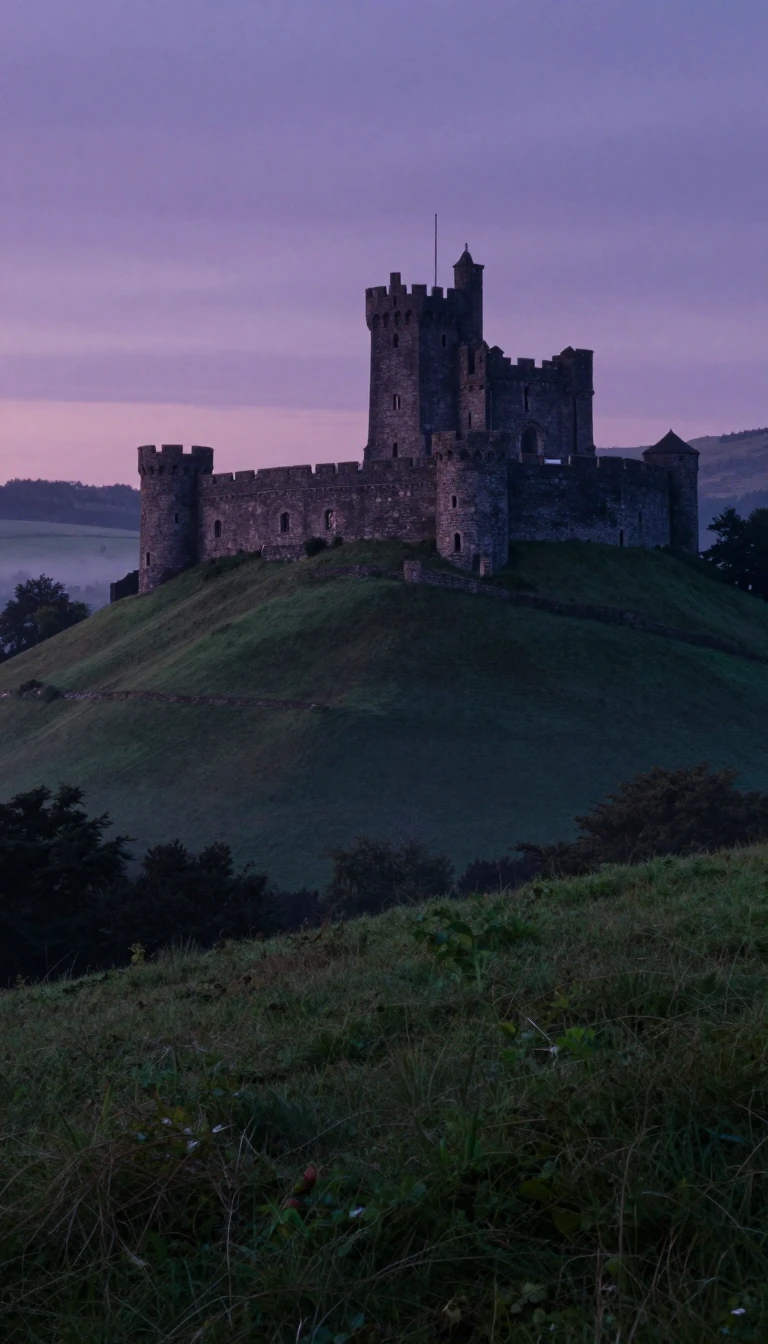
In short: Tors are striking, free-standing rock outcrops that rise abruptly from rounded hilltops. While they appear ancient and permanent, these geological features are surprisingly youthful. Their formation is a complex dance of weathering and erosion, leaving behind the resilient core blocks that define these iconic landscapes across Britain and beyond.
A tor is a distinct rock formation that emerges from gentle slopes, often appearing as a cluster or heap of stone. While geologists sometimes refer to them as castle koppies, the term itself likely stems from an ancient Welsh word for a pile. These features are not limited to one rock type; while granite is the most common host, they also appear in dacites, dolerites, and even coarse sandstones. Most of these structures stand under five meters in height, serving as remnants of larger masses that have succumbed to the elements.
The creation of a tor is a process of selective survival. In granite landscapes like Dartmoor, the rock was emplaced roughly 280 million years ago. Over time, chemical and physical weathering breaks down areas where joints are closely spaced, turning the stone into a sandy material called growan. This debris is then stripped away by environmental forces, particularly during the cold phases of the Quaternary ice ages. Where the joints are spaced widely, the core blocks remain, standing tall as the surrounding material vanishes.
Recent dating techniques have upended assumptions about the age of these formations. On Dartmoor, most tors have been exposed to the surface for less than 100,000 years, with no examples exceeding 200,000 years of age. They likely appeared as the last major ice age began. This contrasts sharply with the Scottish Cairngorms, where some tors have been exposed for as long as 675,000 years. These structures remain dynamic, as frost action can cause stacks to collapse into trails of debris, while water accumulation creates mysterious circular basins on their surfaces.
The study of tors remains a vibrant area of debate, as geomorphologists continue to refine their understanding of how local climate and rock composition dictate the lifespan of these features. Whether they exist as monolithic blocks or as series of separated pillows, tors represent a fleeting moment in geological time, constantly shaped and reshaped by the very forces that eventually lead to their own disintegration.
Opens the Intellect+ feed with this card first. Swipe up for the next one.
Sources
- Summary by Intellect · source: Tor (rock formation)
To cite this card, link to https://intellectplus.co.uk/app/nature-tor-rock-formation.
How we source, check and correct cards: Editorial standards.
General information, not professional advice. Spotted an error? Flag the card or see corrections and complaints.
Intellect Plus is a visual educational discovery platform for exploring fascinating facts and ideas. Brain Food, Not Brain Rot. What is Intellect Plus?
Related
More in Geomorphology · More in Nature · Latest · A–Z · All topics
