How ancient whales transitioned from walking on land to ruling the open ocean
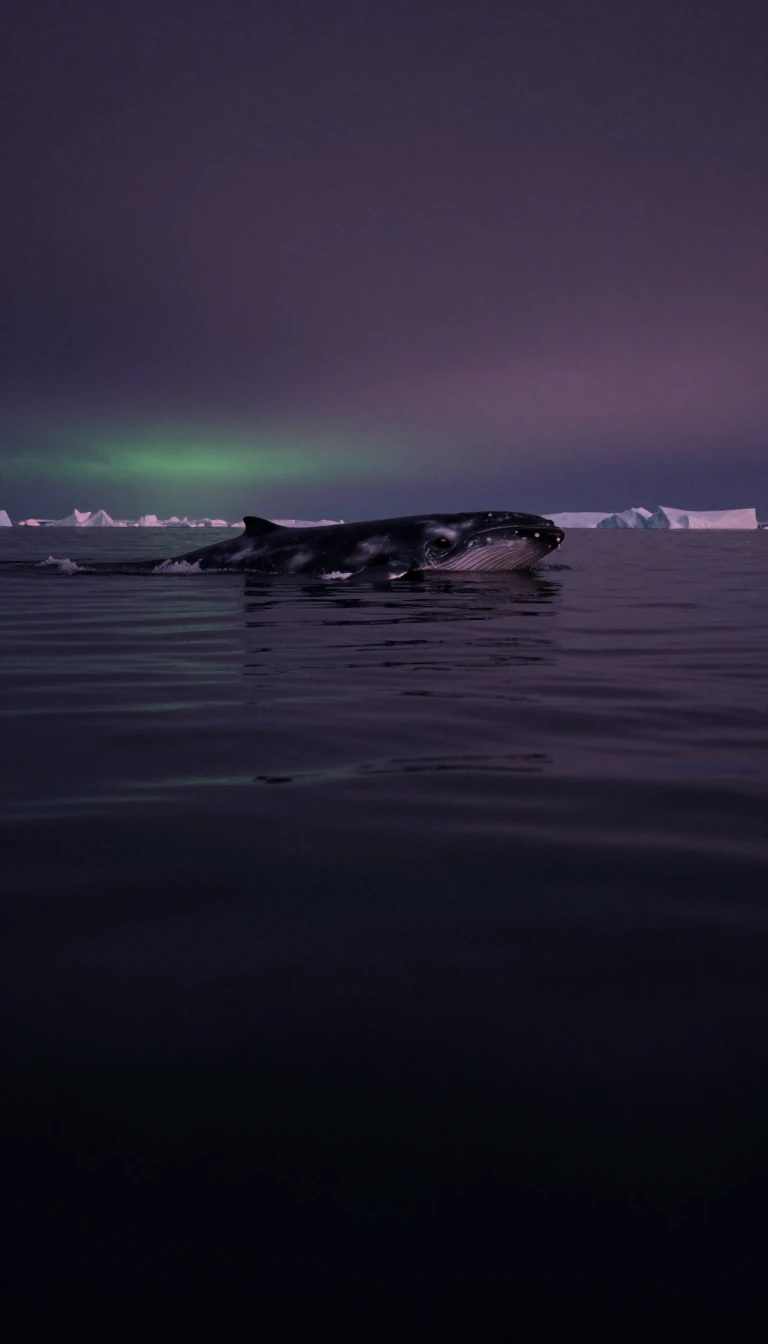
In short: Fifty million years ago, whale ancestors were goat-sized land dwellers. Within a remarkably fast ten-million-year evolutionary sprint, these creatures transformed into fully aquatic swimmers like Dorudon. This five-metre-long predator represents a pivotal moment in cetacean history, marking the transition to a life lived entirely beneath the waves.
The evolutionary journey from land to sea is one of the most striking transformations in natural history. It began with creatures like Pakicetus, a four-legged animal that lived on the edges of rivers and lakes about 50 million years ago. While it hunted land animals and freshwater fish, it already possessed the ability to hear underwater. Over the next several million years, descendants like Ambulocetus emerged, bridging the gap between terrestrial and marine life by navigating estuaries with feet that functioned like flippers.
By 40 to 33 million years ago, the genus Dorudon had fully committed to the ocean. Measuring five metres in length, these animals were proficient swimmers that lived entirely underwater and gave birth to their young in the sea. Despite their modern appearance, they retained vestigial features, including tiny hind legs. Unlike their descendants, they lacked the specialized melon organ required for advanced echolocation, and their nostrils were positioned midway along the snout rather than at the top of the head.
The taxonomy of Dorudon was historically fraught with confusion. Early researchers often misidentified their fossils as juvenile specimens of the larger Basilosaurus. It was not until the discovery of actual Dorudon juveniles that scientists confirmed they were a distinct genus. Today, D. atrox serves as the best-known species, providing researchers with a detailed look at the cranial and dental morphology of these ancient whales. This rapid adaptation—moving from land-based ancestors to fully marine mammals in just 10 million years—remains a testament to the speed at which evolutionary pressures can reshape a lineage.
Opens the Intellect+ feed with this card first. Swipe up for the next one.
Sources
- Summary by Intellect · source: When whales walked on four legs | Natural History Museum
- Also: Dorudon
To cite this card, link to https://intellectplus.co.uk/app/nature-dorudon.
How we source, check and correct cards: Editorial standards.
General information, not professional advice. Spotted an error? Flag the card or see corrections and complaints.
Intellect Plus is a visual educational discovery platform for exploring fascinating facts and ideas. Brain Food, Not Brain Rot. What is Intellect Plus?
Related
More in Vertebrates · More in Nature · Latest · A–Z · All topics
