Why the Earth's surface is a complex map of wind, ice, and fire
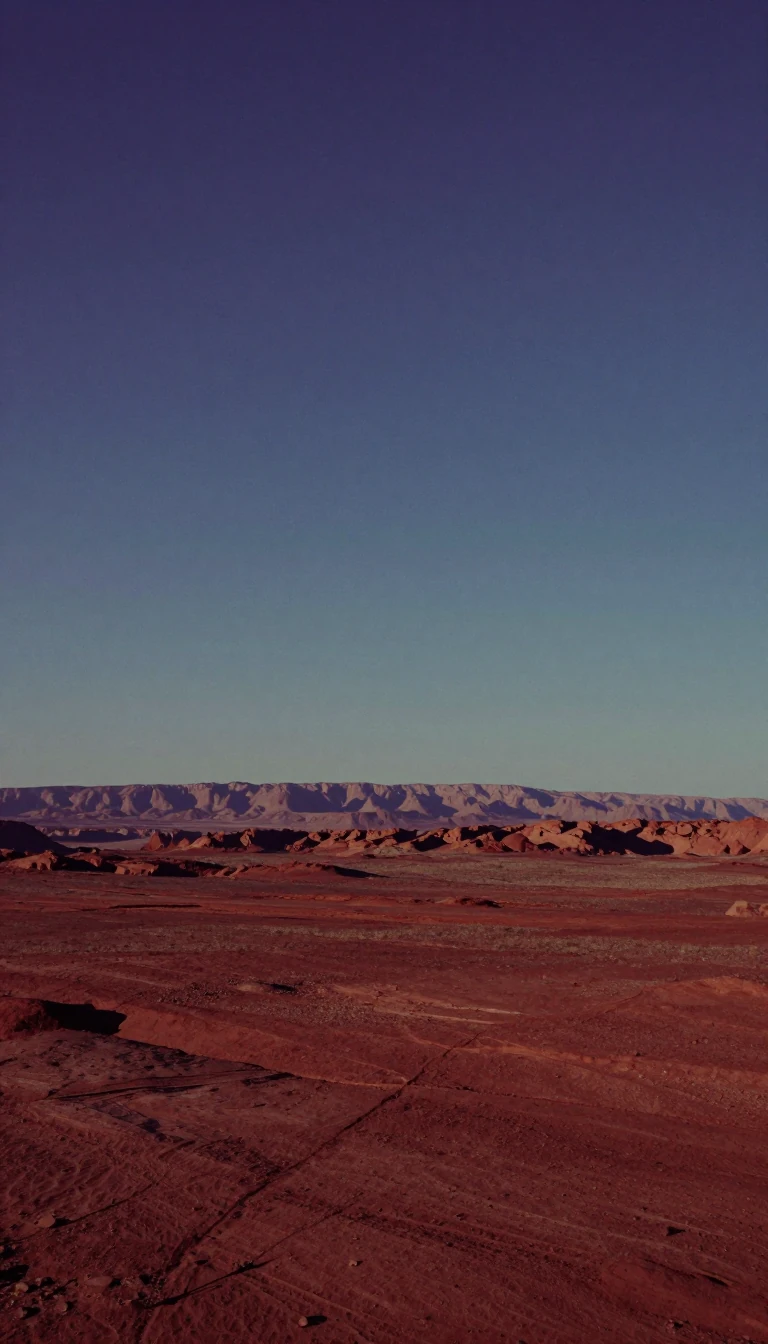
In short: Landforms are not just static scenery; they are the physical records of our planet's history. By examining attributes like slope, elevation, and soil, geomorphologists categorize these features based on the specific processes that forged them. From extraterrestrial impacts to tectonic shifts, every landscape tells a story of its own creation.
Geomorphology, the scientific study of landforms, seeks to decode the Earth's surface by analyzing its characteristic physical attributes. These include elevation, orientation, rock exposure, and the specific processes that drive their formation. Rather than viewing mountains or valleys as isolated features, researchers organize them into categories based on the forces that sculpted them over time.
The diversity of these processes is vast. Aeolian landforms, for instance, are produced by the action of winds, while fluvial landforms are shaped by the movement of natural flowing freshwater streams. In colder regions, low-temperature processes create distinct features, while glacial activity is responsible for specific mountain landforms. These categories often overlap, as erosion and weathering frequently occur in both rocky and fluvial environments.
Beyond terrestrial forces, the Earth is also shaped by more dramatic events. Tectonic activity continuously alters the landscape, while extraterrestrial impacts—the collision of two astronomical objects—leave their own unique marks on the surface. Lacustrine landforms, which are associated with lakes, further illustrate the variety of environments that contribute to the planet's topography. By studying these diverse origins, from volcanic activity in places like the Canary Islands to the slow grind of glaciers, we gain a deeper understanding of the dynamic forces that define our world.
This systematic approach allows scientists to look past the immediate appearance of a landscape to understand its underlying mechanics. Whether it is the result of a sudden impact or the gradual accumulation of sediment, each landform serves as a testament to the ongoing geological processes that have shaped the Earth throughout its existence.
Opens the Intellect+ feed with this card first. Swipe up for the next one.
Sources
- Summary by Intellect · source: Glossary of landforms
To cite this card, link to https://intellectplus.co.uk/app/nature-glossary-of-landforms.
How we source, check and correct cards: Editorial standards.
General information, not professional advice. Spotted an error? Flag the card or see corrections and complaints.
Intellect Plus is a visual educational discovery platform for exploring fascinating facts and ideas. Brain Food, Not Brain Rot. What is Intellect Plus?
Related
More in Earth science · More in Nature · Latest · A–Z · All topics
