Why the Earth’s surface is constantly sinking into diverse, dramatic, and deep depressions
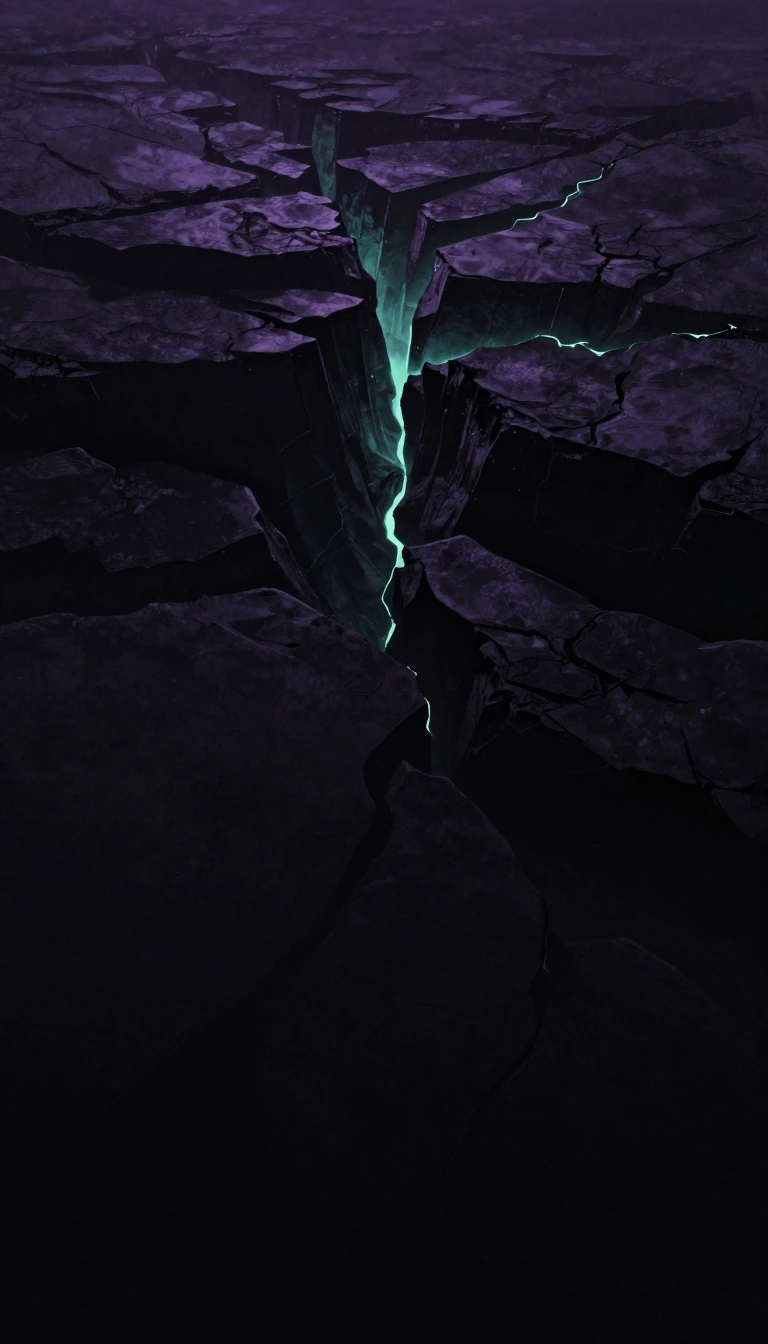
In short: A geological depression is any landform sunken below its surroundings, but the forces creating these voids are wildly varied. From the slow, heavy weight of ice sheets and sediment to the sudden, violent collapse of volcanic calderas or meteorite impacts, the ground beneath us is constantly shifting, carving, and falling away.
Geological depressions are defined by their elevation relative to the surrounding terrain, yet their origins span the entire spectrum of planetary processes. Erosion is a primary sculptor, carving out valleys through the persistent work of rivers and glaciers. Wind also plays a role, creating blowouts in sandy or dry environments, while smaller features like panholes emerge from the erosion of cohesive rock surfaces.
More dramatic transformations occur through structural and volcanic activity. Tectonic forces can create vast rift valleys or grabens when the crust is pulled apart, or pull-apart basins where faults offset. Volcanic events leave behind distinct signatures, such as the massive collapse of a caldera following an eruption or the smaller pit craters formed over underground voids. Even the heavens contribute, as seen in the deep scars left by meteorite impacts.
The ground also reacts to weight and temperature. Sedimentary basins sink further as they accumulate heavy layers of material, while ice sheets depress the crust beneath them, sometimes causing peripheral sinking in adjacent areas. In permafrost regions, thermokarst hollows appear as frozen ground thaws and loses volume. Meanwhile, karst landscapes are prone to sinkholes, where the collapse of rock over hollows creates sudden, often dangerous, surface depressions.
Finally, the largest depressions on Earth are often found at the bottom of the sea. Oceanic trenches, which are deep, linear features, are formed by the process of subduction, where one tectonic plate is forced beneath another. Whether through the slow accumulation of sediment or the violent shifting of tectonic plates, these depressions reveal a planet that is perpetually in flux, constantly reshaping its surface in response to internal and external pressures.
Opens the Intellect+ feed with this card first. Swipe up for the next one.
Sources
- Summary by Intellect · source: Depression (geology)
To cite this card, link to https://intellectplus.co.uk/app/nature-depression-geology.
How we source, check and correct cards: Editorial standards.
General information, not professional advice. Spotted an error? Flag the card or see corrections and complaints.
Intellect Plus is a visual educational discovery platform for exploring fascinating facts and ideas. Brain Food, Not Brain Rot. What is Intellect Plus?
Related
More in Geomorphology · More in Nature · Latest · A–Z · All topics
