Why the pear-shaped egg of the guillemot is a masterpiece of cliffside survival
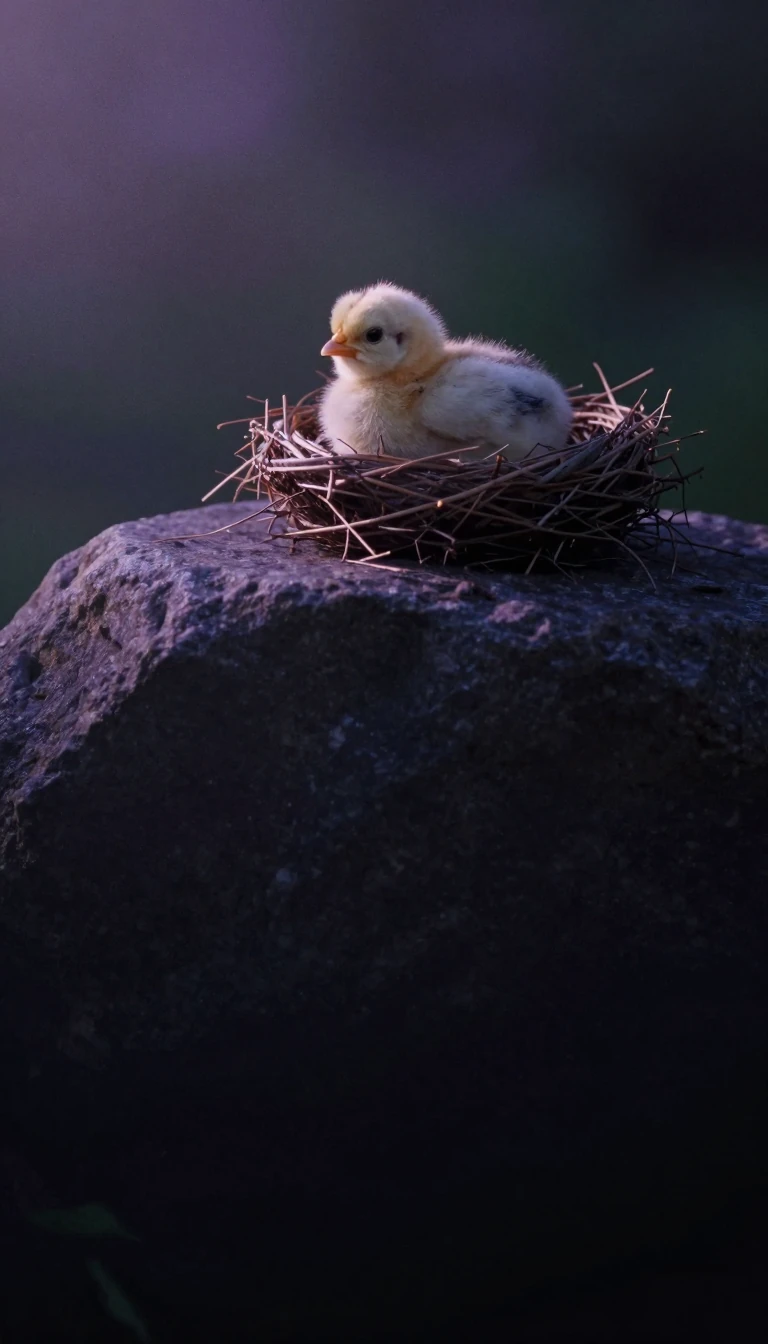
In short: Guillemots nest on precarious cliff edges without building a single nest. Their eggs are uniquely pear-shaped, a design long thought to prevent them from rolling off into the sea. Recent research suggests the truth is more nuanced, involving friction and stability rather than simple geometry or rolling arcs.
Guillemots are seabirds belonging to the Alcidae family, split into two distinct groups: the Uria genus, often called murres in North America, and the Cepphus genus, which retain the name guillemot. These birds are master cliff-dwellers, forming dense breeding colonies known as seabird cities. Unlike many other birds, they do not construct nests. Instead, they lay a single, large, pyriform egg directly onto the bare, uneven rock of cliff ledges. This lack of nest-building allows them to pack closely together, a density that provides collective protection against predatory gulls.
The egg's shape has long fascinated observers. Because they rest on narrow, steep ledges, it was theorized that the pear shape caused the egg to roll in a tight arc if disturbed, preventing it from falling. However, ornithologist Tim Birkhead found that this arc is actually wider than most ledges, meaning the shape does not inherently prevent a fall. Instead, the stability of the egg is likely due to its long, straight edge resting against the ground. This creates greater friction, which keeps the egg anchored in place despite the steepness of the terrain.
The history of these birds is deeply intertwined with human survival. In Scotland’s St Kilda islands, men once scaled dangerous cliffs to collect these eggs, which were then buried in peat ash to preserve them for consumption during harsh winters. The eggs were prized for their nutritional value, often compared to duck eggs. Today, the birds face different challenges; they spend most of their lives at sea, making them particularly vulnerable to environmental hazards like oil spills. While the species remains numerous, their reliance on specific, sheer coastal habitats makes them a vital indicator of the health of our marine ecosystems.
Opens the Intellect+ feed with this card first. Swipe up for the next one.
Sources
- Summary by Intellect · source: Guillemot
To cite this card, link to https://intellectplus.co.uk/app/nature-guillemot.
How we source, check and correct cards: Editorial standards.
General information, not professional advice. Spotted an error? Flag the card or see corrections and complaints.
Intellect Plus is a visual educational discovery platform for exploring fascinating facts and ideas. Brain Food, Not Brain Rot. What is Intellect Plus?
Related
More in Vertebrates · More in Nature · Latest · A–Z · All topics
