Why these birds abandon their eggs to be raised by volcanoes and compost
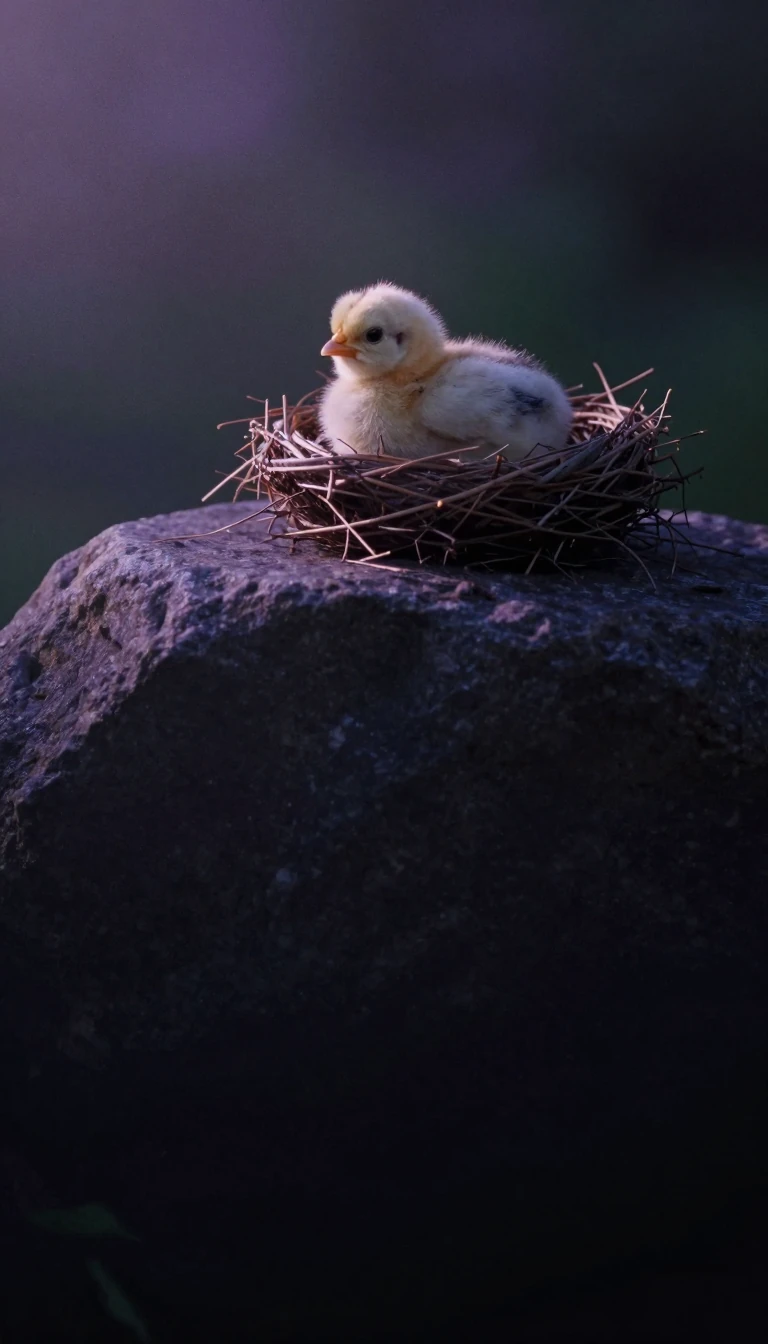
In short: Megapodes are the only birds that reject traditional brooding. Instead of using body heat, they bury their eggs in massive mounds of decaying vegetation, volcanic soil, or sun-warmed sand. These superprecocial chicks hatch fully feathered and independent, ready to fly and survive on their own from their very first day.
The Megapodiidae family, or incubator birds, are unique among avian species for their reliance on external heat sources to develop their young. Their name, derived from the Greek for 'great foot,' highlights their primary tool: powerful legs and sharp claws used to construct elaborate nesting mounds. While most of the roughly 20 living species utilize microbial decomposition within piles of organic litter to generate warmth, others exploit geothermal energy from volcanic activity or the simple heat of the sun. This reproductive strategy is more akin to that of crocodiles or turtles than to other birds, and it necessitates a massive investment in the egg itself; the yolk accounts for 50 to 70 percent of the total egg weight.
Upon hatching, megapode chicks are remarkably mature. Lacking an egg tooth, they use their strong claws to break their shells and tunnel to the surface of the mound. Because they do not imprint on parents in the traditional sense, researchers believe they rely on instinctive visual recognition of specific movement patterns to identify their own species. This independence is a hallmark of their superprecocial life cycle, which is thought to have evolved secondarily from the more typical brooding behaviors seen in other Galliformes. Their flying and foraging abilities are fully functional at birth, allowing them to live entirely apart from their parents immediately.
The unique nesting requirements of these birds have historically linked them closely to human populations in Oceania. Because some species congregate in high densities at volcanic nesting sites, their eggs have long been a significant food source. Indigenous communities once managed these harvests through strict ritual conventions, but these traditions weakened significantly after the 1950s. The resulting surge in commercial harvesting, which peaked in the 1970s, has left many populations in crisis. Today, with dozens of nesting sites abandoned or threatened, nine species are currently considered at risk of extinction, highlighting the fragility of these specialized birds in a changing world.
Opens the Intellect+ feed with this card first. Swipe up for the next one.
Sources
- Summary by Intellect · source: Megapode
To cite this card, link to https://intellectplus.co.uk/app/nature-megapode.
How we source, check and correct cards: Editorial standards.
General information, not professional advice. Spotted an error? Flag the card or see corrections and complaints.
Intellect Plus is a visual educational discovery platform for exploring fascinating facts and ideas. Brain Food, Not Brain Rot. What is Intellect Plus?
Related
More in Vertebrates · More in Nature · Latest · A–Z · All topics
