Hake are deep-sea predators that perform a daily vertical migration across the ocean depths.
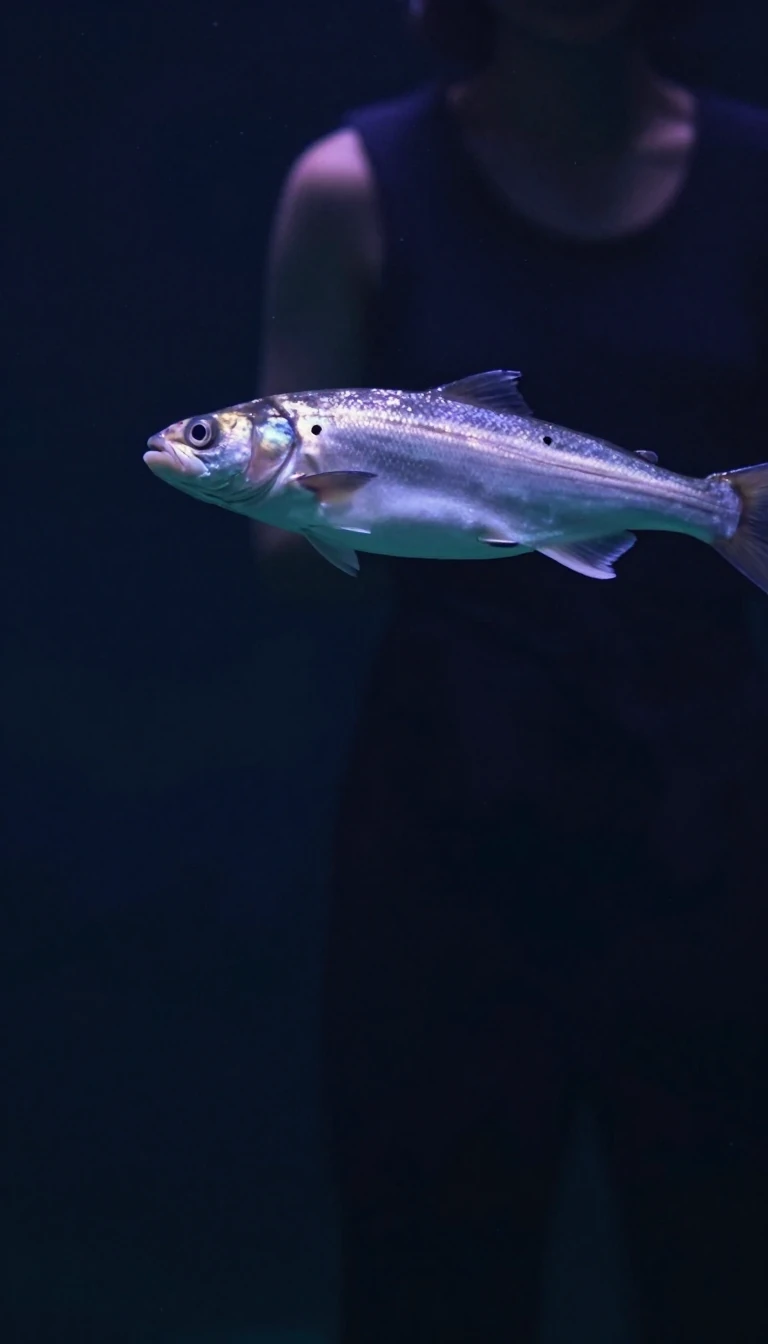
In short: These medium-to-large fish spend their days in the dark, deep waters of the Atlantic and Pacific, only to ascend toward the surface under the cover of night. While they are a staple of global commercial fishing, their populations face significant threats from overfishing and environmental disasters.
Hake belong to the Gadiformes order, sharing a lineage with cod and haddock. They are found in both the Merlucciidae and Phycidae families, with 13 distinct species identified within the Merlucciidae family alone. These fish are remarkably adaptable, capable of reaching lengths of up to one metre and living for as long as 14 years. Their life cycle is equally fascinating: after spawning, their eggs float at the sea surface, where larvae develop before the juveniles eventually migrate to the ocean floor.
The behavior of hake is defined by a consistent vertical rhythm. During daylight hours, they inhabit depths between 200 and 350 metres, acting as opportunistic predators that feed near the seabed. At night, they move into shallower waters. This cycle is critical to their survival, yet it also makes them vulnerable to various industrial fishing methods, including trawling and longlining. Because they are a primary commercial resource, their management varies wildly across the globe, from the strict, conservation-minded quotas in Namibia to the drastic declines seen in Argentine and European waters.
The economic impact of hake populations is profound. In Argentina, overfishing has led to an estimated 80 percent decline in adult stocks, threatening local employment and export stability. Meanwhile, in Chile, the 2010 earthquake and tsunami caused a near 19 percent drop in exports by destroying essential processing infrastructure. These challenges highlight the fragility of relying on a single marine species for economic stability, especially when factors like unsustainable fishing practices and ecological shifts continue to pressure these deep-sea populations.
Opens the Intellect+ feed with this card first. Swipe up for the next one.
Sources
- Summary by Intellect · source: Hake
To cite this card, link to https://intellectplus.co.uk/app/nature-hake.
How we source, check and correct cards: Editorial standards.
General information, not professional advice. Spotted an error? Flag the card or see corrections and complaints.
Intellect Plus is a visual educational discovery platform for exploring fascinating facts and ideas. Brain Food, Not Brain Rot. What is Intellect Plus?
Related
More in Vertebrates · More in Nature · Latest · A–Z · All topics
