The prehistoric shark with a buzzsaw jaw that baffled scientists for over a century
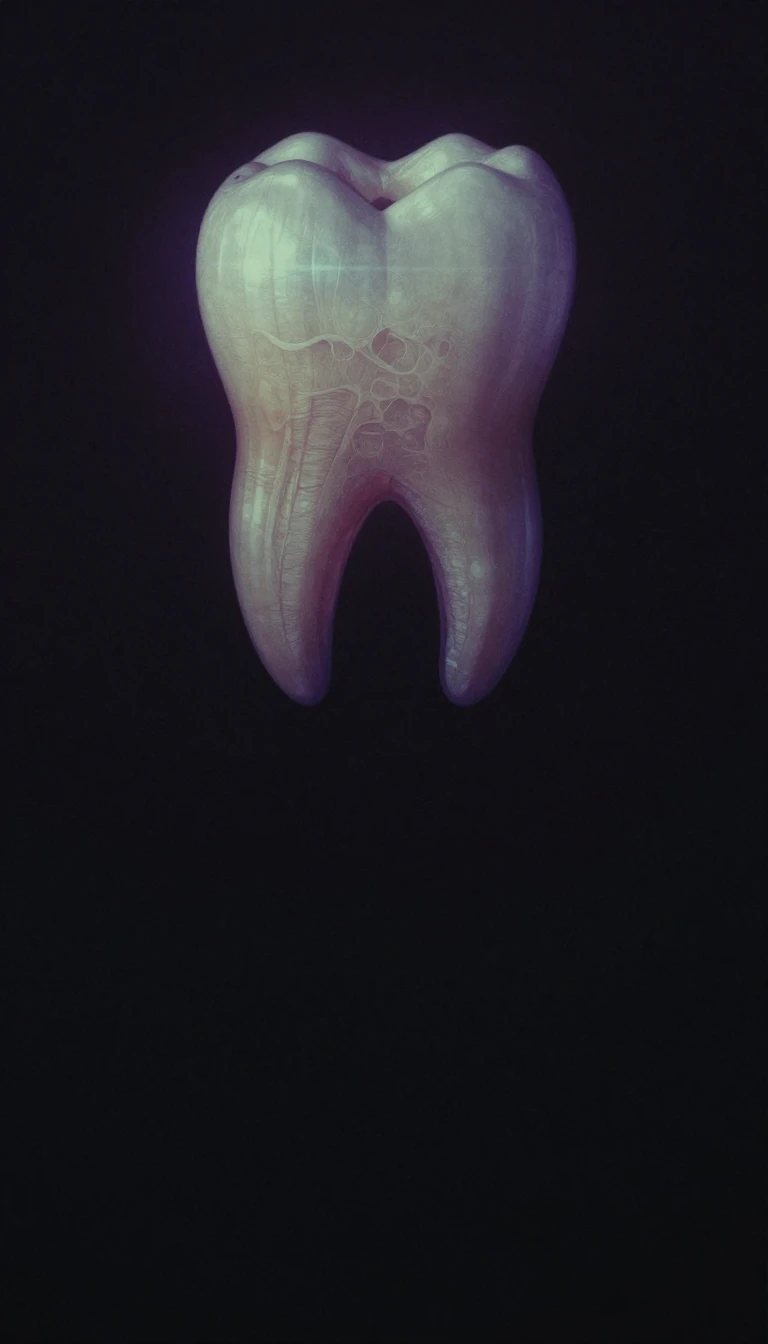
In short: For decades, paleontologists were stumped by the bizarre, spiral-shaped tooth whorls of the extinct Helicoprion. Was this circular saw mounted on the shark's nose, its dorsal fin, or its throat? Only recently have biomechanical studies and rare fossilized cartilage finally revealed how this ancient predator actually ate.
Helicoprion was a genus of eugeneodont fish, a group of cartilaginous creatures that thrived from the Devonian period until their extinction in the Early Triassic. Because their skeletons were made of cartilage rather than bone, they rarely fossilized well. Consequently, almost all known specimens consist solely of the animal's most durable feature: a spiraled root embedded with teeth, often called a tooth whorl.
For over a century, the placement of this whorl was a subject of intense scientific debate. Early theories suggested it might have sat on the upper jaw, the lower jaw, or even the dorsal fin. It was not until 2013 that researchers, including Tapanila et al., analyzed fossils preserving surrounding cartilage to confirm the spiral was located within the lower jaw. This discovery fundamentally changed our understanding of the animal's anatomy.
Biomechanical analysis published by Ramsay et al. in 2015 clarified how this unique apparatus functioned. Rather than being a static weapon, the whorl acted as a sophisticated feeding mechanism. Anterior teeth hooked and dragged prey into the mouth, middle teeth pierced and sliced, and posterior teeth pushed the food into the oral cavity. This versatility allowed Helicoprion to consume both soft-bodied prey, such as squid, and hard-shelled items like ammonoids.
With a global distribution during the Permian period, these predators left fossils across Asia, Australia, Europe, and America. While their exact appearance remains a subject of estimation, they are thought to have reached lengths between 5 and 12 meters. By applying modern engineering principles to ancient anatomy, scientists have transformed the Helicoprion from a mysterious, circular-toothed enigma into a well-understood, highly specialized predator of the ancient seas.
Opens the Intellect+ feed with this card first. Swipe up for the next one.
Sources
- Summary by Intellect · source: Helicoprion
- Also: Helicoprion
To cite this card, link to https://intellectplus.co.uk/app/nature-helicoprion.
How we source, check and correct cards: Editorial standards.
General information, not professional advice. Spotted an error? Flag the card or see corrections and complaints.
Intellect Plus is a visual educational discovery platform for exploring fascinating facts and ideas. Brain Food, Not Brain Rot. What is Intellect Plus?
Related
More in Vertebrates · More in Nature · Latest · A–Z · All topics
