These fox-sized dinosaurs evolved a unique jaw mechanism to grind tough prehistoric plants
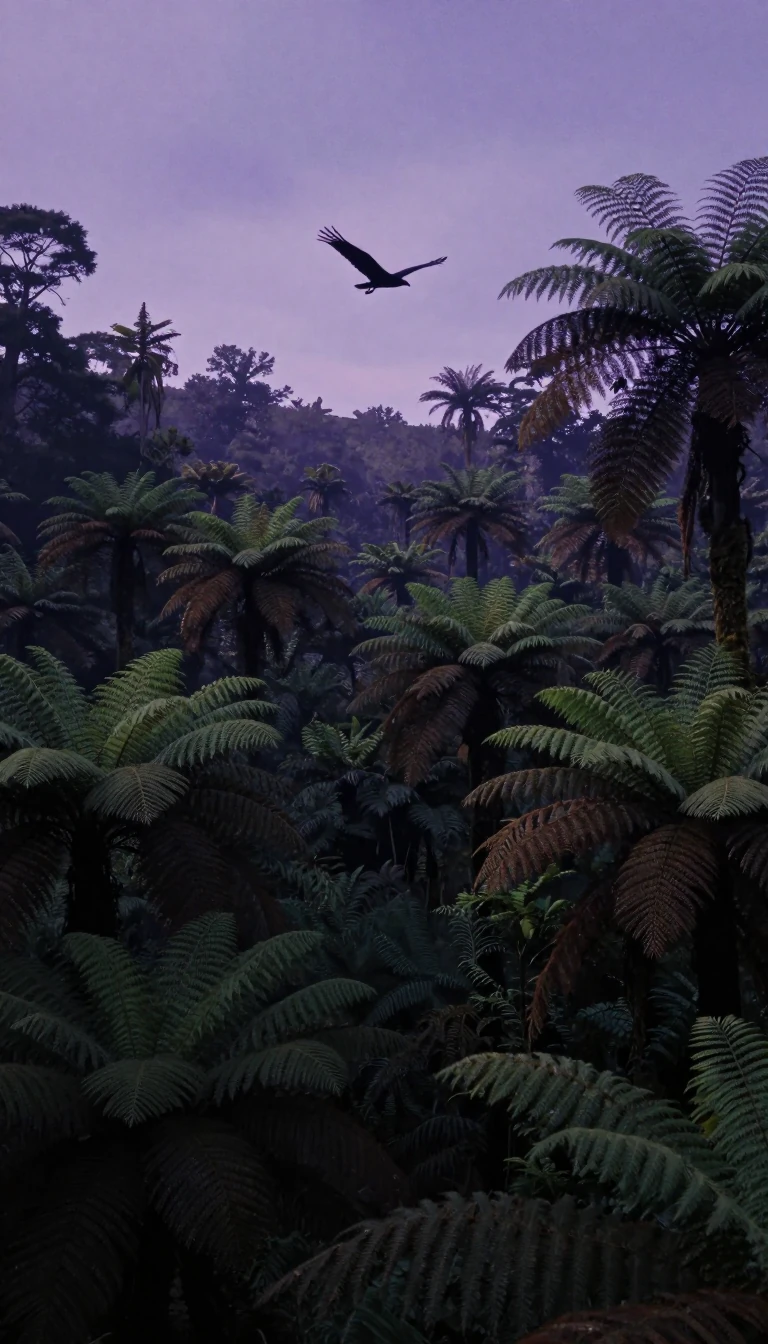
In short: Heterodontosauridae were small, agile ornithischians that roamed the earth from the Early Jurassic to the Early Cretaceous. Famous for their distinct, tusk-like teeth and specialized chewing apparatus, these dinosaurs challenge our understanding of early herbivore evolution, with some researchers even suggesting they might be the ancestors of later, dome-headed pachycephalosaurs.
Named for their varied dentition, heterodontosaurids possessed a unique dental arrangement that set them apart from other early ornithischians. While most dinosaurs of the era relied on simple cropping, heterodontosaurids evolved a specialized spheroidal joint between their lower jaw bones. This allowed the mandible to rotate outward as the mouth closed, effectively grinding cheek teeth against one another. This mechanical innovation was necessary to process tough vegetation, as these animals replaced their teeth far more slowly than the later, more prolific hadrosaurs.
The family is best known for the genus Heterodontosaurus, which reached just over one meter in length. Their anatomy reveals a blend of specialized traits: long, powerful forelimbs equipped with 'twist-thumb' claws, and hindlimbs adapted for rapid running. The presence of filamentous integument, or proto-feathers, in the Chinese genus Tianyulong has led some scientists to propose that these dinosaurs were endothermic. Despite their small stature, they achieved a near-worldwide distribution during the time of the supercontinent Pangaea, with fossils found on every continent except Australia and Antarctica.
The phylogenetic placement of this group remains a subject of intense debate. While traditionally viewed as basal ornithopods, some 21st-century studies have linked them to the Marginocephalia, a group including ceratopsians and pachycephalosaurs. A 2020 analysis even suggested that heterodontosaurids represent a basal grouping within Pachycephalosauria, a theory that attempts to reconcile the mysterious absence of pachycephalosaur fossils in the Jurassic period. Whether they were herbivores or omnivores, and whether their iconic tusks served as tools for display, defense, or digging, these dinosaurs remain a pivotal, if elusive, piece of the ornithischian puzzle.
Opens the Intellect+ feed with this card first. Swipe up for the next one.
Sources
- Summary by Intellect · source: Heterodontosauridae
To cite this card, link to https://intellectplus.co.uk/app/nature-heterodontosauridae.
How we source, check and correct cards: Editorial standards.
General information, not professional advice. Spotted an error? Flag the card or see corrections and complaints.
Intellect Plus is a visual educational discovery platform for exploring fascinating facts and ideas. Brain Food, Not Brain Rot. What is Intellect Plus?
Related
More in Vertebrates · More in Nature · Latest · A–Z · All topics
