Did a sudden surge in oxygen trigger Earth's first and longest-lasting mass extinction?
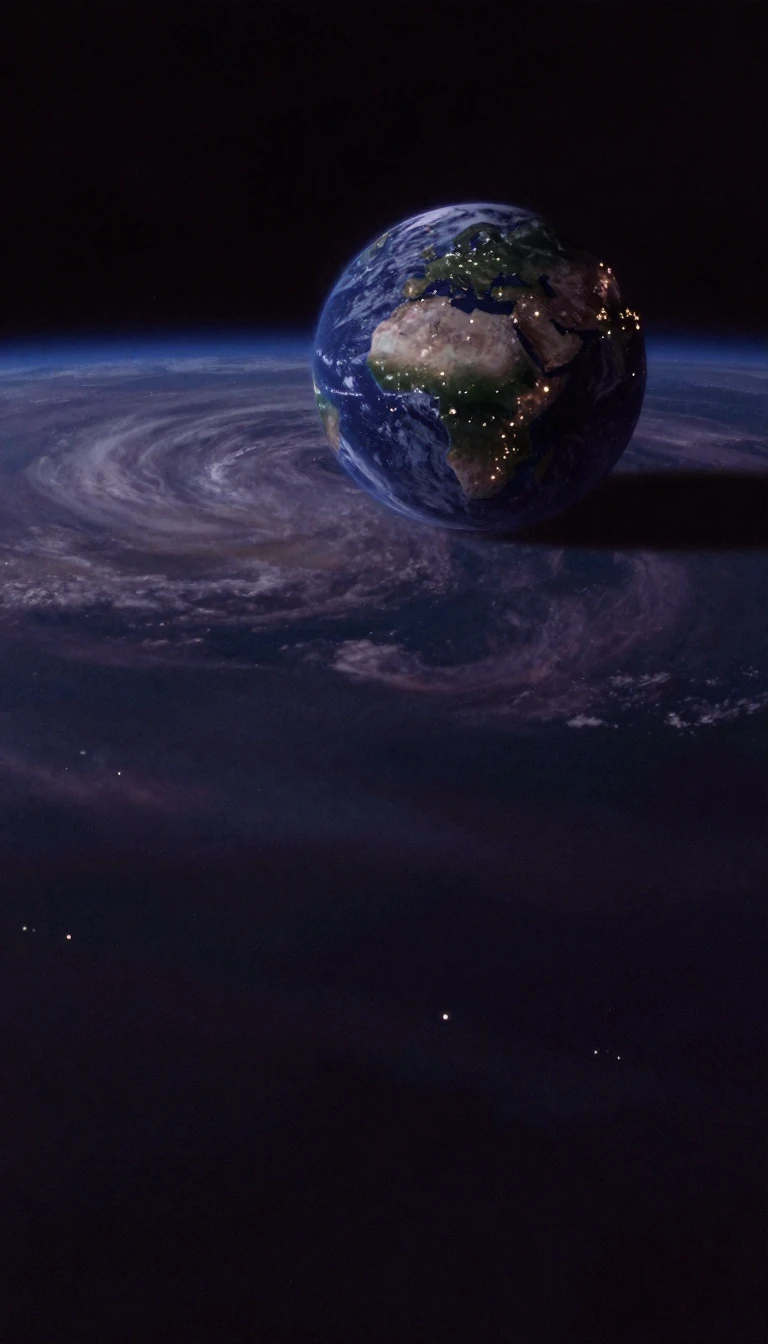
In short: Around 2.4 billion years ago, the rise of oxygen-producing cyanobacteria fundamentally altered Earth's atmosphere. This Great Oxygenation Event decimated the planet's dominant anaerobic life forms, triggering a massive climate shift that plunged the world into a prolonged icehouse state, potentially paving the way for the evolution of complex life.
The Huronian glaciation, occurring between approximately 2.4 and 2.1 billion years ago, represents a series of at least three distinct ice ages. These events are recorded in the sedimentary layers of the Huronian Supergroup, located north of Lake Huron. While often discussed as a singular event, geologists emphasize that the term Huronian refers to a specific rock sequence rather than a single glacial cycle. The evidence for these ancient freezes rests on the discovery of diamictites—glacial deposits—that are comparable in thickness to those found in much more recent Quaternary periods.
The catalyst for this deep-time climate crisis was the evolution of oxygenic photosynthesis by cyanobacteria. Before this, Earth's atmosphere was reducing and dominated by methane, a potent greenhouse gas. As oxygen levels climbed, it reacted with methane to form carbon dioxide and water, which are significantly less effective at trapping heat. Combined with lower solar luminosity and reduced geothermal activity, this collapse of the greenhouse effect drove global temperatures down. This environmental upheaval was catastrophic for the anaerobic microbial mats that dominated the Earth's surface and shallow seas, leading to what is considered the first and longest-lasting extinction event in history.
Despite popular theories suggesting these events turned Earth into a 'snowball' entirely encased in ice, the evidence remains contested. The presence of discontinuous glacial sediments alternating with carbonate rocks suggests that temperate conditions persisted, challenging the idea of a total global freeze. Yet, the impact on life was profound. As the anaerobic biosphere collapsed, it opened ecological niches for aerobic organisms. This transition may have forced surviving anaerobes into symbiotic relationships with aerobes, a process of endosymbiosis that likely contributed to the emergence of eukaryotic cells. By 'detoxing' oxygen-rich environments, these early partnerships set the stage for the complex life forms that would eventually dominate the Proterozoic era.
Opens the Intellect+ feed with this card first. Swipe up for the next one.
Sources
- Summary by Intellect · source: Huronian glaciation
To cite this card, link to https://intellectplus.co.uk/app/nature-huronian-glaciation.
How we source, check and correct cards: Editorial standards.
General information, not professional advice. Spotted an error? Flag the card or see corrections and complaints.
Intellect Plus is a visual educational discovery platform for exploring fascinating facts and ideas. Brain Food, Not Brain Rot. What is Intellect Plus?
Related
More in Geology · More in Nature · Latest · A–Z · All topics
