Magma is not static: how cooling and contamination reshape the Earth's molten interior
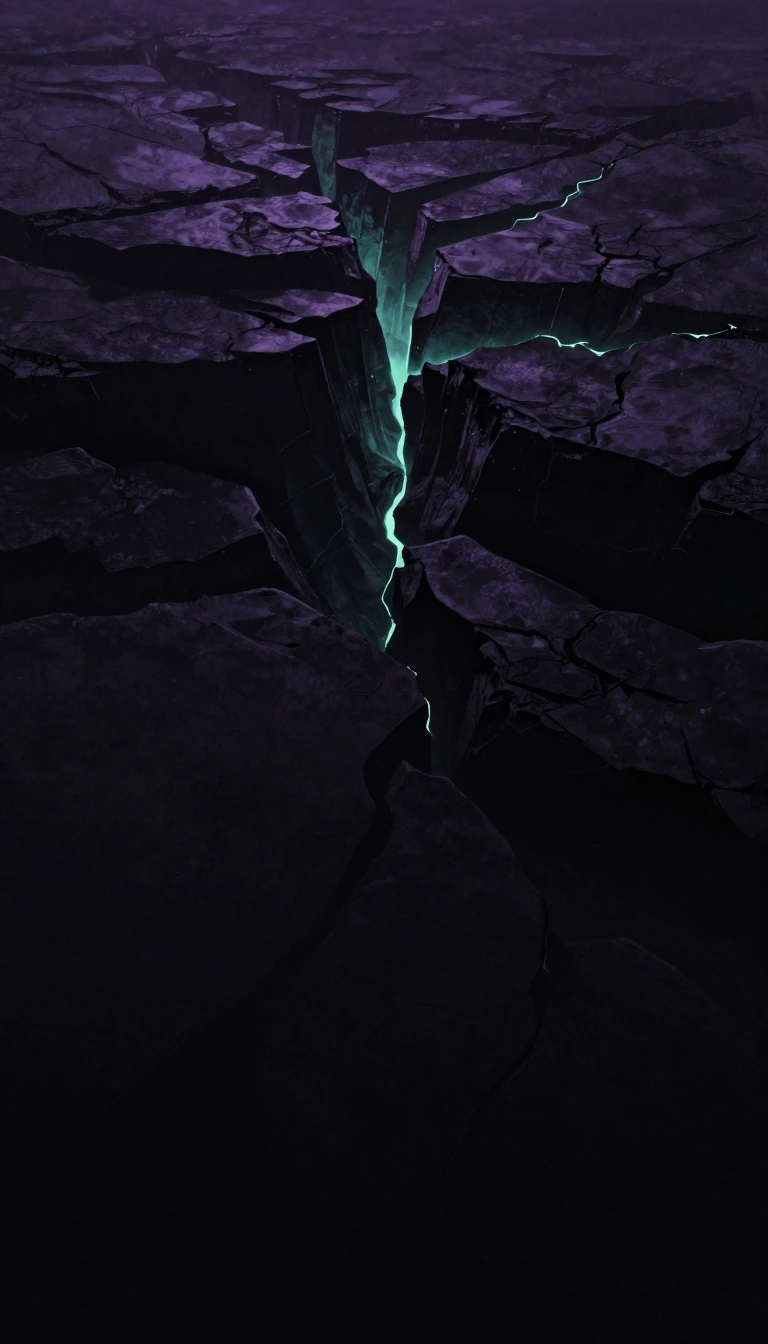
In short: Magma rarely stays in its original state. Through the FARM process—fractional crystallization, assimilation, replenishment, and magma mixing—molten rock undergoes constant chemical evolution. These mechanisms transform primitive melts into the diverse array of igneous rocks found across the crust, fundamentally shaping volcanic activity and the formation of valuable ore deposits.
Igneous differentiation describes the complex chemical changes magma undergoes as it cools, moves, or erupts. While geologists seek the 'primitive' or 'primary' melt—the starting composition derived from the mantle—these are rarely observed. Instead, researchers often identify a 'parental melt,' a baseline composition from which an observed range of rocks can be modeled. This process is essential for understanding the Earth's mantle, as direct evidence remains scarce.
The primary driver of differentiation is cooling, which triggers fractional crystallization. As magma loses heat, minerals precipitate out of the liquid, altering the remaining melt's chemistry. This is highly sensitive to pressure, temperature, and volatile content. For instance, high-pressure environments can produce single-feldspar granites, while lower-pressure conditions yield two-feldspar varieties. Beyond cooling, contamination plays a fundamental role. Magma can assimilate surrounding wall rocks or mix with fresh, incoming pulses of magma, a process that can trigger rapid crystallization and significantly shift the chemical trajectory of the melt.
Magma chambers are rarely isolated systems; they are dynamic, polyphase environments. Mafic magmas, being more fluid, are particularly prone to periodic replenishment and rapid crystal precipitation, making them highly susceptible to differentiation. In contrast, granitic magmas are far more viscous, often emplacing as large, homogeneous plutons. The role of dissolved gases—such as water and chlorine—is also critical. As crystallization progresses, these volatiles concentrate in the residual melt, eventually facilitating 'pneumatolytic' processes. These terminal phases are responsible for significant geological phenomena, including the formation of quartz veins and various economically vital ore deposits.
Opens the Intellect+ feed with this card first. Swipe up for the next one.
Sources
- Summary by Intellect · source: Igneous differentiation
To cite this card, link to https://intellectplus.co.uk/app/nature-igneous-differentiation.
How we source, check and correct cards: Editorial standards.
General information, not professional advice. Spotted an error? Flag the card or see corrections and complaints.
Intellect Plus is a visual educational discovery platform for exploring fascinating facts and ideas. Brain Food, Not Brain Rot. What is Intellect Plus?
Related
More in Geology · More in Nature · Latest · A–Z · All topics
