Why newly hatched birds might mistake a wading boot for their own mother
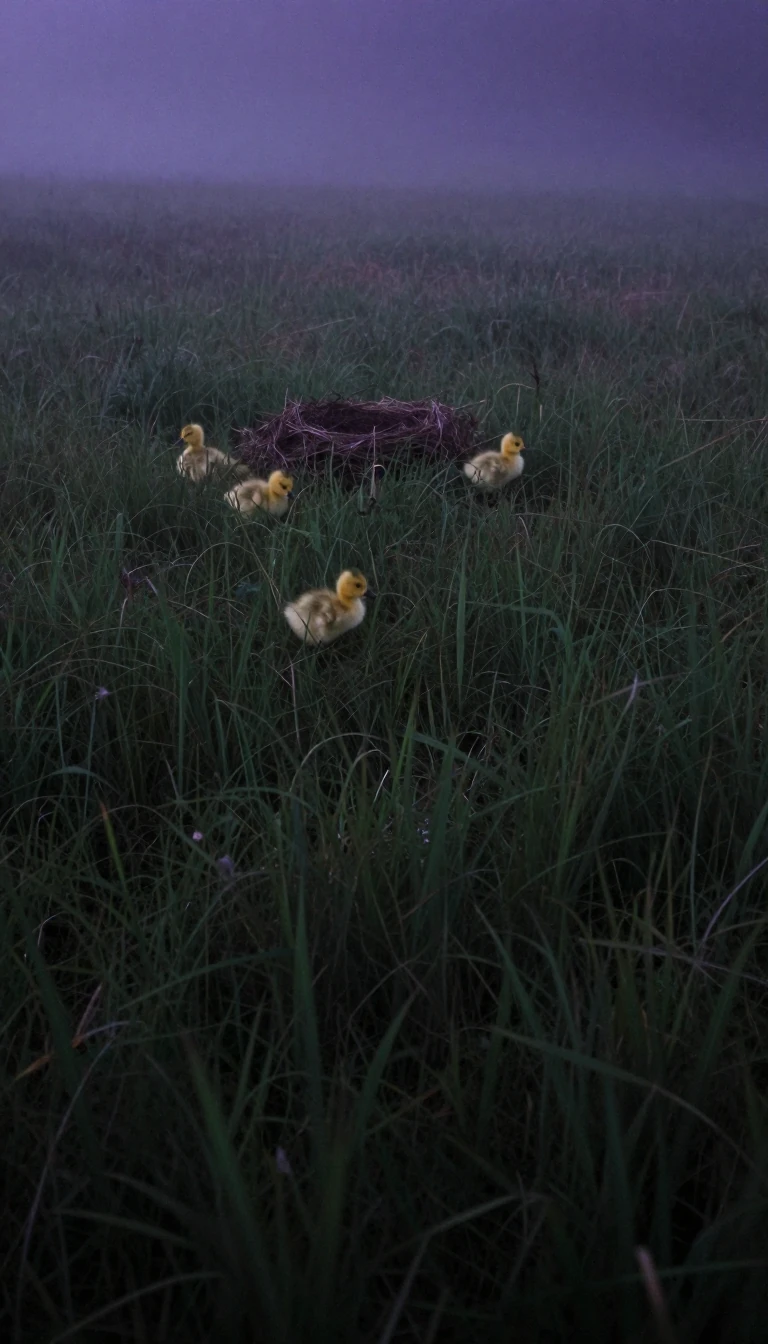
In short: Imprinting is a rapid, critical form of learning where young animals fixate on the first object they encounter. By mimicking a mother duck, Konrad Lorenz proved that goslings and ducklings could be tricked into following humans, revealing how nature hardwires survival instincts during a narrow window after hatching.
Imprinting is a specialized learning process occurring during a brief, critical stage shortly after an animal hatches. During this window, the young creature forms a permanent attachment to the first moving object it perceives, which in the wild is almost always a parent. This behavior ensures that the offspring remains close to its caregivers, a crucial adaptation for survival in the early stages of life. Konrad Lorenz, the Austrian zoologist and founder of modern ethology, famously demonstrated this by imitating the quacking of a mother duck, causing mallard ducklings to accept him as their parent.
Lorenz’s research, which earned him a Nobel Prize in 1973 alongside Karl von Frisch and Nikolaas Tinbergen, highlighted that this behavior is not merely a random habit but a genetically constructed mechanism. Species are evolved to acquire specific information essential for their survival. While filial imprinting—following a parent—is the most recognized form, the process is flexible enough that young birds can imprint on inanimate objects or foster parents of different species. This phenomenon is not limited to simple following; it influences adult behavior and can even dictate future social and sexual preferences.
The implications of imprinting extend beyond basic biology into complex behavioral patterns. Lorenz observed that these instinctive acts are often harmonized into sequences, allowing animals to navigate their environment effectively. Later in his career, he explored how these concepts might apply to human social behavior, suggesting that even complex human tendencies, such as aggression, have inborn roots that can be modified through environmental understanding. By studying how behavioral patterns mature, Lorenz provided a framework for understanding how ecological factors and evolutionary history shape the survival strategies of diverse species, from jackdaws to humans.
Opens the Intellect+ feed with this card first. Swipe up for the next one.
Sources
- Summary by Intellect · source: Imprinting | Parental Care, Conditioning & Memory | Britannica
- Also: Imprinting (psychology)
To cite this card, link to https://intellectplus.co.uk/app/nature-imprinting-psychology.
How we source, check and correct cards: Editorial standards.
General information, not professional advice. Spotted an error? Flag the card or see corrections and complaints.
Intellect Plus is a visual educational discovery platform for exploring fascinating facts and ideas. Brain Food, Not Brain Rot. What is Intellect Plus?
Related
More in Zoology · More in Nature · Latest · A–Z · All topics
