Why the world's most common rock fractures are often hiding in plain sight
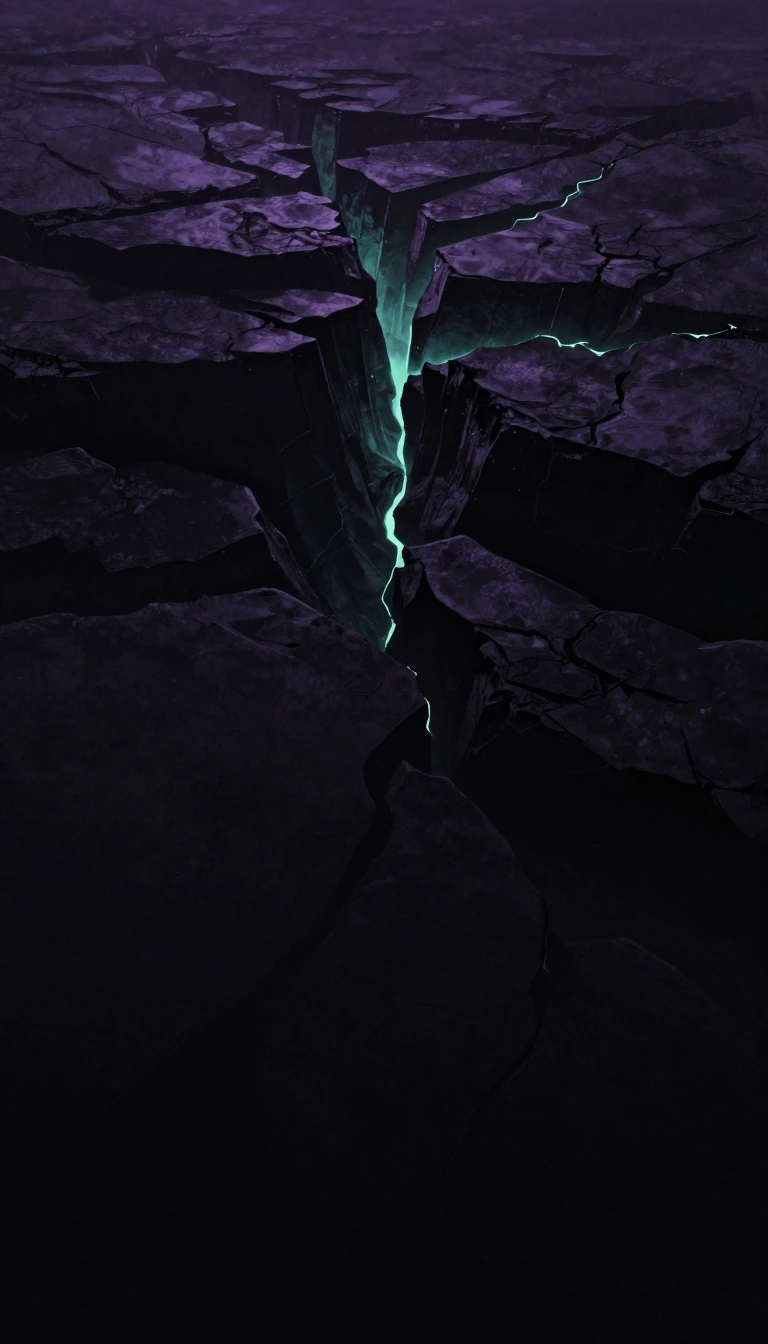
In short: Look closely at almost any rock exposure and you will likely see a joint. Unlike faults, which involve visible shifting of the earth, joints are brittle fractures where the rock has barely moved. They are the silent architects of the landscape, shaping everything from massive cliffs to hexagonal lava columns.
In geology, a joint is defined as a brittle-fracture surface in rock where there has been little or no displacement. While faults are characterized by the relative movement of rock masses—ranging from a few centimetres to hundreds of kilometres—joints remain essentially stationary. This distinction is fundamental to structural geology, separating simple fractures from the dynamic, energy-releasing shifts that trigger earthquakes.
These fractures are nearly universal in surface rocks and can form through various mechanisms. Tensile stress is the primary driver, often caused by the stretching of rock layers, the rise of pore fluid pressure, or the shrinkage that occurs as a rock body cools or dries. When this stress exceeds the rock's tensile strength, it snaps. The resulting patterns are often predictable; for instance, columnar jointing creates striking hexagonal prisms in cooling lava flows, while systematic joints form parallel, evenly spaced families that can be traced across vast distances.
The study of these structures reveals much about the history of the Earth's crust. Systematic joints, for example, often appear in predictable patterns relative to the folding of rock strata into anticlines and synclines. While the specific origins of some joint systems remain a subject of debate among geologists, their presence is a reliable indicator of the tectonic forces that have acted upon a region over millions of years. Whether they appear as open cracks or are filled with minerals like veins and dikes, joints provide a permanent record of the stresses that have shaped our planet's surface.
Understanding the difference between a joint and a fault is crucial for interpreting geological history. While a fault might crush rock into fine-grained gouge or polish it into slickensides through violent movement, a joint is a cleaner, more static break. By mapping the orientation and spacing of these fractures, scientists can reconstruct the ancient stress fields that once pulled and twisted the crust, offering a window into the hidden mechanics of the lithosphere.
Opens the Intellect+ feed with this card first. Swipe up for the next one.
Sources
- Summary by Intellect · source: Joint | Types, Formation & Uses | Britannica
- Also: Joint (geology)
To cite this card, link to https://intellectplus.co.uk/app/nature-joint-geology.
How we source, check and correct cards: Editorial standards.
General information, not professional advice. Spotted an error? Flag the card or see corrections and complaints.
Intellect Plus is a visual educational discovery platform for exploring fascinating facts and ideas. Brain Food, Not Brain Rot. What is Intellect Plus?
Related
More in Geology · More in Nature · Latest · A–Z · All topics
