The Juan de Fuca plate is not just sinking; it is actively tearing apart
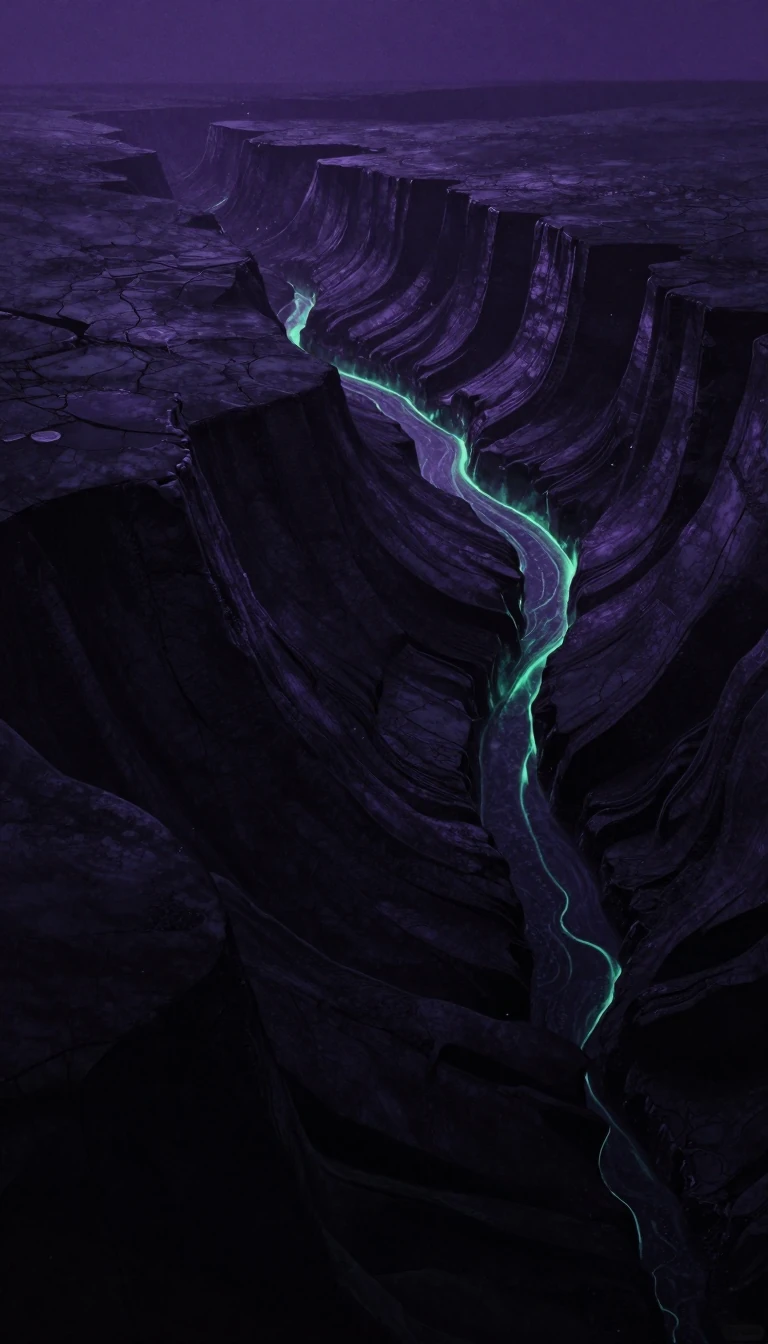
In short: Deep beneath the Pacific Northwest, the Juan de Fuca plate is undergoing a rare geological transition. Rather than sliding smoothly into the Earth's mantle, the massive tectonic slab is fracturing piece by piece. This discovery offers a new look at how subduction zones eventually die, like a train slowly derailing.
Subduction zones are the engines of planetary change, driving the movement of continents, the birth of volcanoes, and the release of massive seismic energy. For years, researchers assumed these systems were monolithic, sinking steadily until they reached the mantle. However, recent seismic imaging from the 2021 Cascadia Seismic Imaging Experiment (CASIE21) has revealed a more complex reality. Off the coast of Vancouver Island, the Juan de Fuca plate is not simply descending; it is actively fragmenting into smaller microplates.
The process, described by scientists as episodic or piecewise termination, suggests that subduction zones do not shut down in a single catastrophic event. Instead, they fail through a gradual breakdown. Using advanced seismic reflection imaging—essentially an ultrasound for the Earth's interior—researchers identified a 75-kilometer-long tear where the plate has vertically displaced by about five kilometers. This structural failure creates new boundaries within the slab, effectively causing the plate to lose the downward momentum required to sustain its subduction.
This mechanism helps clarify long-standing mysteries in geology, such as the existence of fossil microplates found near Baja California. These ancient remnants likely followed a similar path of gradual disintegration. While the current findings do not fundamentally alter the immediate earthquake risk for the Pacific Northwest, they provide a vital missing piece in the life cycle of tectonic plates. By observing a subduction zone in the act of dying, scientists are gaining a clearer picture of how Earth's crustal architecture evolves over millions of years.
The research, led by scientists including Brandon Shuck and Suzanne Carbotte, highlights the importance of these deep-sea fractures. As pieces of the plate break off, they cease to produce earthquakes because the rocks are no longer locked together. These quiet gaps in seismic data serve as markers for the expanding fractures. Ultimately, this study refines our understanding of how massive geological systems evolve, proving that even the most powerful forces on Earth are subject to a slow, inevitable end.
Opens the Intellect+ feed with this card first. Swipe up for the next one.
Sources
- Summary by Intellect · source: Earth is splitting open beneath the Pacific Northwest, scientists say
- Also: Juan de Fuca plate
To cite this card, link to https://intellectplus.co.uk/app/nature-juan-de-fuca-plate.
How we source, check and correct cards: Editorial standards.
General information, not professional advice. Spotted an error? Flag the card or see corrections and complaints.
Intellect Plus is a visual educational discovery platform for exploring fascinating facts and ideas. Brain Food, Not Brain Rot. What is Intellect Plus?
Related
More in Geology · More in Nature · Latest · A–Z · All topics
