The terror bird that crossed the continent millions of years before the land bridge.
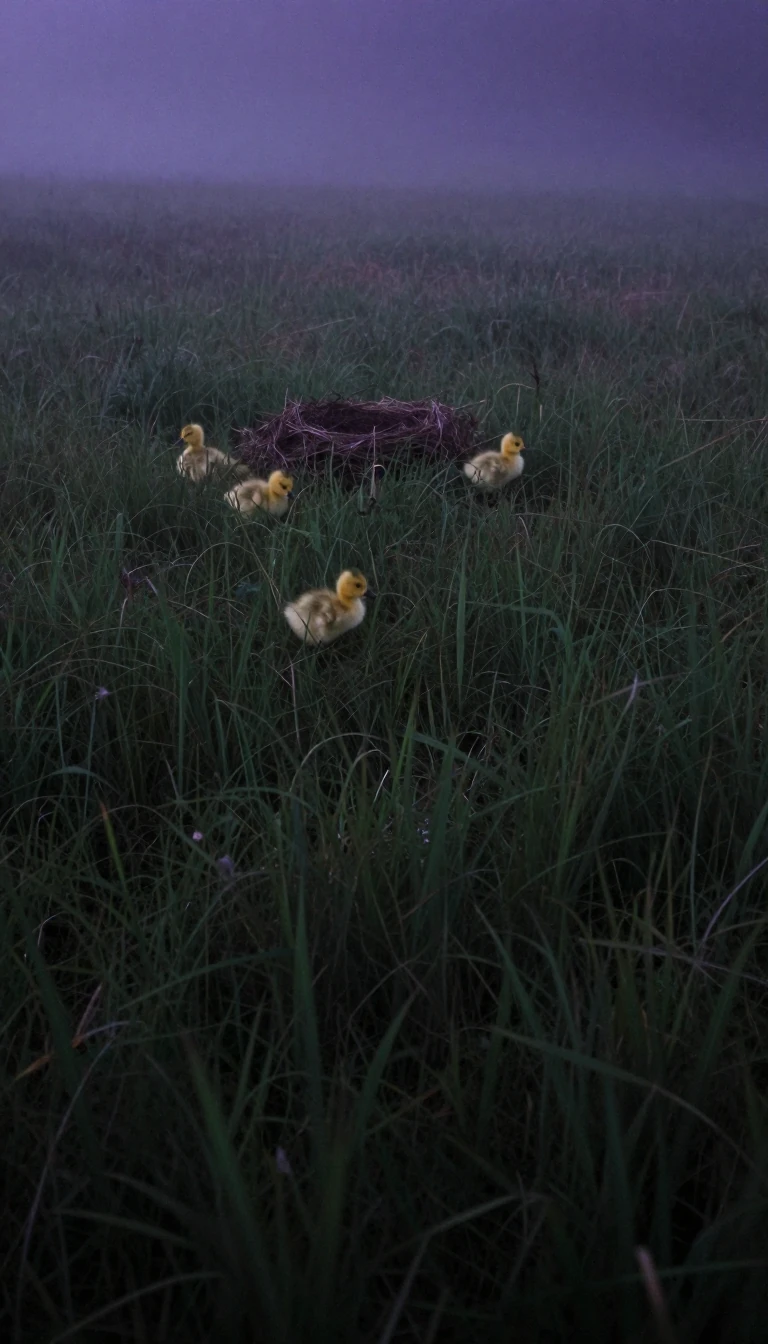
In short: Titanis walleri was a five-foot-tall, flightless predator that once stalked North America. Long considered a South American exclusive, this terror bird defied expectations by appearing in the fossil record of Florida and Texas, challenging our understanding of how and when these massive avian hunters migrated across the ancient landscape.
Titanis walleri, the only confirmed North American member of the Phorusrhacidae family, was a formidable flightless predator that stood about 5 feet tall. These birds, which thrived from the early Pliocene to the early Pleistocene epochs, were part of a group otherwise known exclusively from South America. In their native southern range, these birds occupied the roles of apex predators alongside land-dwelling crocodiles and marsupial mammals, filling niches left vacant by the absence of placental carnivores.
The discovery of Titanis began in 1961 and 1962, when collectors Ben Waller and Robert Allen recovered fossils from the Santa Fe River in Florida using scuba gear. Museum curator Clayton Ray recognized the significance of these specimens, though the initial 1963 description by Pierce Brodkorb contained notable errors. Brodkorb mistakenly dated the fossils to the late Pleistocene and initially misidentified the bird as a relative of the ostrich and rhea, rather than a phorusrhacid. It took decades of subsequent research by scholars like Chandler, Gould, and Quitmyer to properly describe the material.
While most specimens have been found in Florida, a single phalanx discovered in a Texas gravel quarry sparked intense debate regarding the bird's migration. Some researchers argued the specimen was younger than the formation of the Panamanian Isthmus land bridge, which formed about 2.5 to 3 million years ago. However, analysis of rare earth elements in the Texas fossil suggests it is older than the Florida finds, indicating that Titanis likely dispersed from South America well before the land bridge existed, potentially through island-hopping.
Today, Titanis remains a subject of fascination as the last and one of the largest members of its family. With 42 known specimens, including a significant collection from the Inglis 1A sinkhole in Citrus County, Florida, the bird provides a rare glimpse into a time when giant, predatory birds were a functional part of the North American ecosystem.
Opens the Intellect+ feed with this card first. Swipe up for the next one.
Sources
- Summary by Intellect · source: Titanis walleri
- Also: Titanis
To cite this card, link to https://intellectplus.co.uk/app/nature-titanis.
How we source, check and correct cards: Editorial standards.
General information, not professional advice. Spotted an error? Flag the card or see corrections and complaints.
Intellect Plus is a visual educational discovery platform for exploring fascinating facts and ideas. Brain Food, Not Brain Rot. What is Intellect Plus?
Related
More in Vertebrates · More in Nature · Latest · A–Z · All topics
