The Kimberley: An Ancient Australian Wilderness Three Times the Size of England
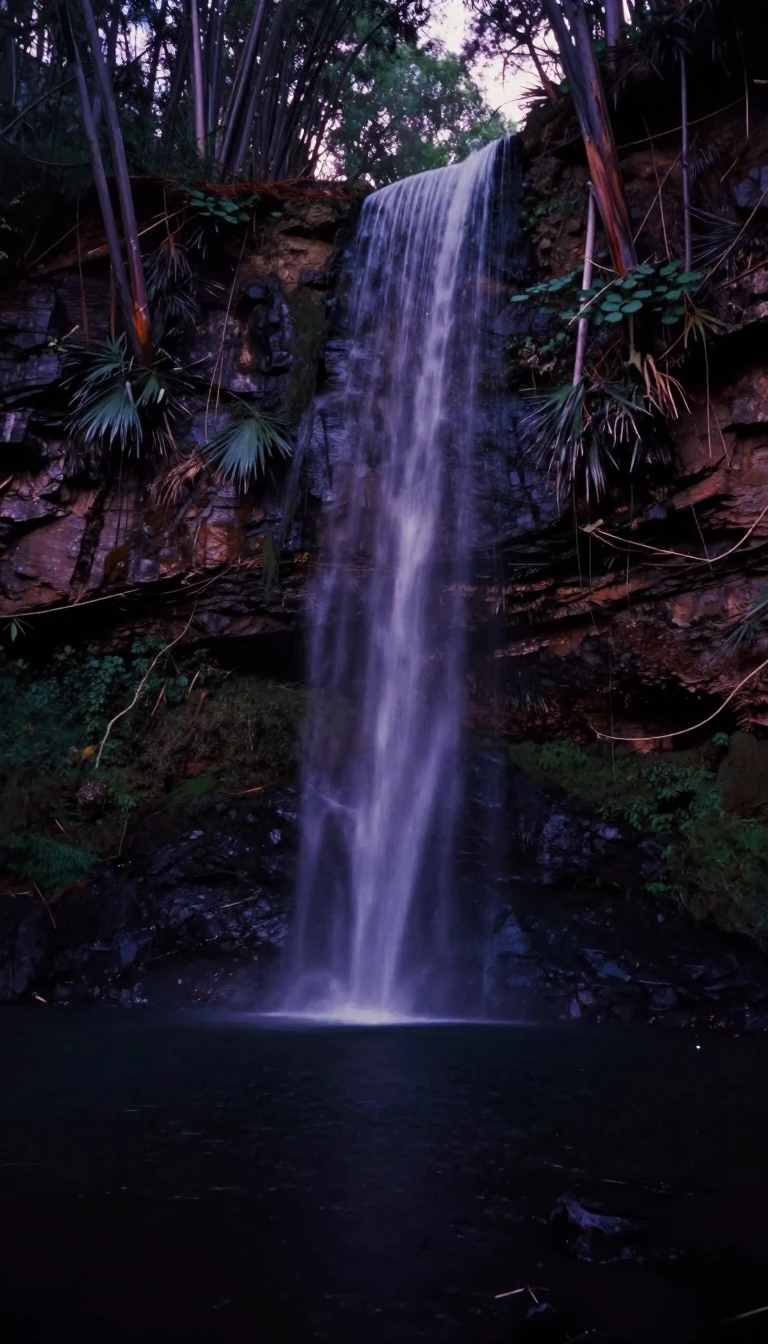
In short: Spanning over 423,000 square kilometres, the Kimberley is a rugged, tropical landscape defined by extreme monsoonal weather and ancient geological history. From its massive tidal shifts to its rich indigenous heritage and unique endemic wildlife, this remote region remains one of Australia's most complex and ecologically significant environments.
The Kimberley is a vast, isolated province in northwestern Australia, characterized by steep-sided mountain ranges and deep sandstone gorges. Its physical structure is largely defined by the Kimberley Block, an ancient physiographic section of the West Australian Shield. Interestingly, some of the region's most iconic features, such as Windjana and Geikie Gorges, were formed as a barrier reef system during the Devonian period, long before sea levels receded to reveal the current landscape.
The region experiences a tropical monsoon climate, receiving roughly 90% of its annual rainfall between November and April. This intense seasonality dictates the local ecology, supporting diverse habitats ranging from open savanna woodlands and pindan grasslands to rare monsoon forests. These forests, which were unknown to science until 1965, represent some of the most floristically rich areas in Australia. The landscape also hosts Australia's largest tides, which can exceed 11 metres due to the amplification of waves across the massive North West Shelf.
Beyond its geology, the Kimberley is a cradle of human history, with evidence of human presence dating back 65,000 years. The region is home to tens of thousands of rock art examples, including the oldest known Australian painting—a two-metre-long kangaroo dated between 17,500 and 17,100 years ago. This art is not merely decorative; it is deeply performative, with indigenous groups continuing to re-touch sites to maintain cultural connections to the land and the powerful Wandjina deities.
Today, the Kimberley serves as a critical refuge for endemic species that have vanished from flatter parts of the continent, including the endangered Gouldian finch and various specialized amphibians. While the region has seen industrial activity, such as the Argyle diamond mine which operated from 1983 to 2020, its vast, roadless stretches continue to protect a unique biological and cultural legacy that remains central to the identity of its traditional owners.
Opens the Intellect+ feed with this card first. Swipe up for the next one.
Sources
- Summary by Intellect · source: Kimberley (Western Australia)
To cite this card, link to https://intellectplus.co.uk/app/nature-kimberley-western-australia.
How we source, check and correct cards: Editorial standards.
General information, not professional advice. Spotted an error? Flag the card or see corrections and complaints.
Intellect Plus is a visual educational discovery platform for exploring fascinating facts and ideas. Brain Food, Not Brain Rot. What is Intellect Plus?
Related
More in Organisms · More in Nature · Latest · A–Z · All topics
