The Last Giant Amphibian That Survived in the Frozen Early Cretaceous South
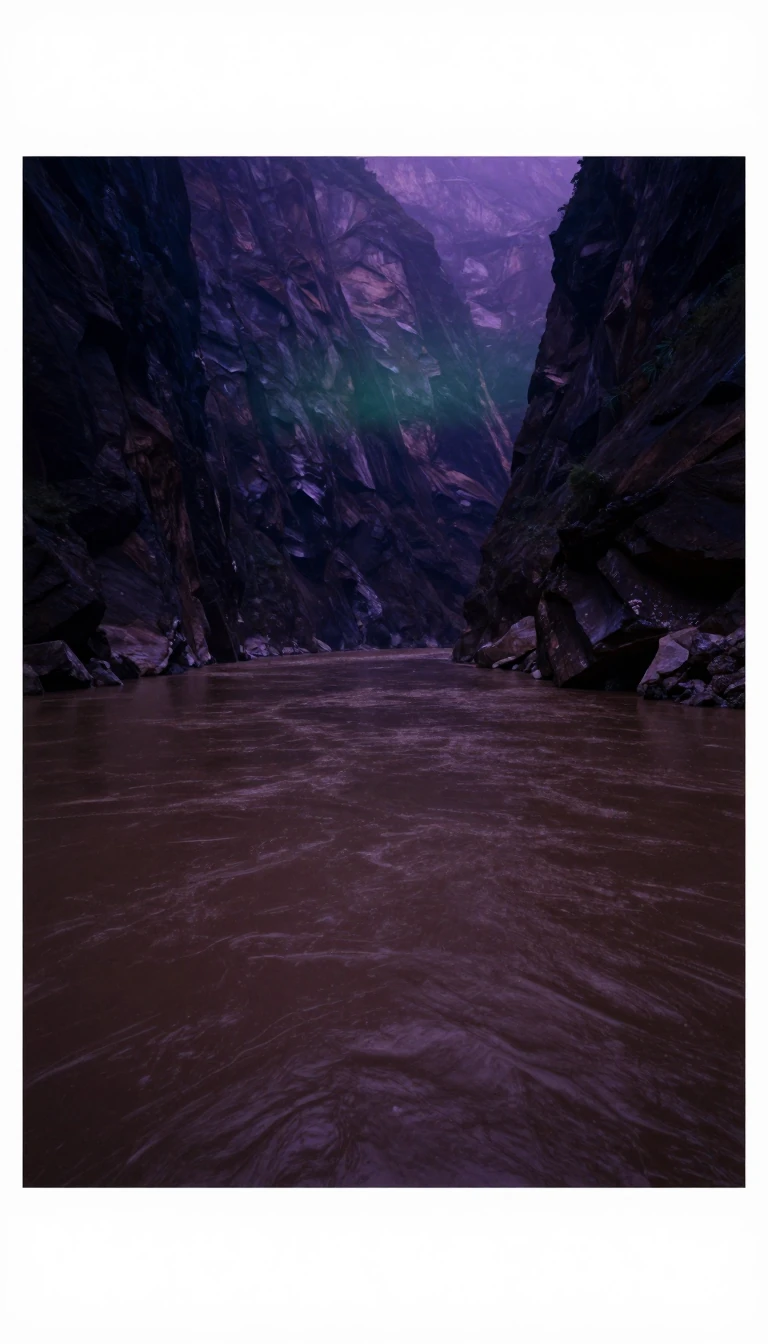
In short: Long after its relatives vanished, Koolasuchus persisted in the cool, rift-valley streams of southern Australia. This massive, crocodile-like predator thrived in a region too frigid for the crocodilians that dominated elsewhere. It remains the youngest known temnospondyl, a relic of an ancient lineage that finally bowed to warming climates.
Koolasuchus cleelandi was a formidable aquatic predator that lived 125 to 120 million years ago. Reaching lengths of up to 3 metres and weighing as much as 500 kilograms, this temnospondyl possessed a wide, rounded head and distinctive tabular horns. Its sharp, serrated teeth, numbering 40 on the mandible, were perfectly adapted for a carnivorous lifestyle, allowing it to occupy an ecological niche similar to that of modern crocodilians.
The discovery of this creature was a puzzle that spanned decades. Initial jaw fragments found in 1979 at Rowells Beach were so enigmatic they were nicknamed GOK, or God Only Knows. Paleontologists initially struggled to classify the specimen because its Cretaceous age was significantly younger than any other known temnospondyl. It was not until 1997 that Anne Warren, Thomas Rich, and Patricia Vickers-Rich officially described the genus, naming it in honor of Lesley Kool and Mike Cleeland, who had discovered key fossil material.
Koolasuchus thrived in southern Australia when the region sat below the Antarctic Circle, experiencing temperatures relatively cool for the Mesozoic era. While crocodilians were widespread during the Early Cretaceous, they were notably absent from this southern habitat 120 million years ago, likely due to the cold. However, as temperatures rose by 110 million years ago, crocodilians returned to the area. Researchers suggest these newcomers likely displaced the giant amphibian, leading to its eventual disappearance from the fossil record.
Today, the legacy of Koolasuchus is cemented in Australian history; it was adopted as the official fossil emblem for the state of Victoria in 2022. Despite its significance, much of its anatomy remains to be fully described, as several partial skulls held in museum collections await detailed study. It stands as a testament to the resilience of a group that survived long after its peers had faded into extinction.
Opens the Intellect+ feed with this card first. Swipe up for the next one.
Sources
- Summary by Intellect · source: Koolasuchus
To cite this card, link to https://intellectplus.co.uk/app/nature-koolasuchus.
How we source, check and correct cards: Editorial standards.
General information, not professional advice. Spotted an error? Flag the card or see corrections and complaints.
Intellect Plus is a visual educational discovery platform for exploring fascinating facts and ideas. Brain Food, Not Brain Rot. What is Intellect Plus?
Related
More in Vertebrates · More in Nature · Latest · A–Z · All topics
