How a tusked, beak-faced reptile became the ultimate survivor of Earth's greatest extinction
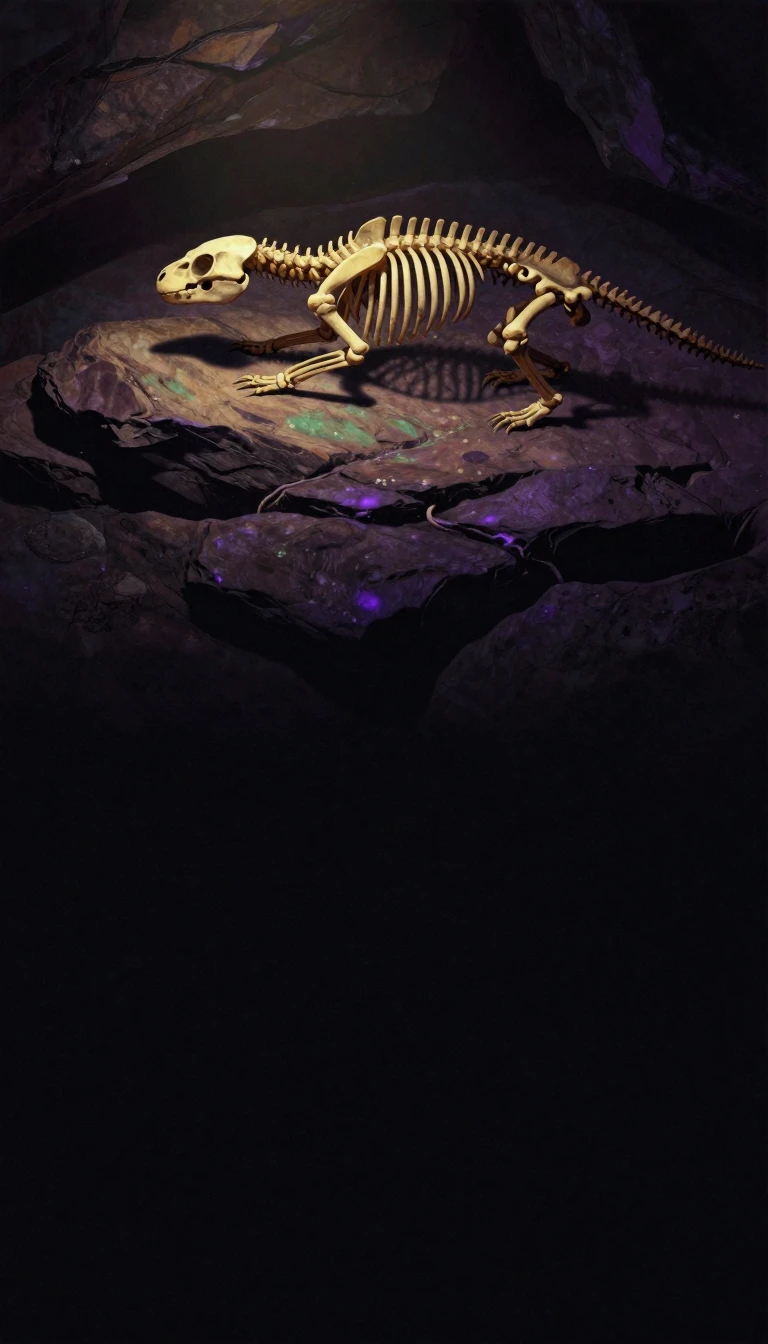
In short: Before mammals dominated the planet, the Dicynodontia thrived as the most successful herbivorous therapsids. These mammal-like reptiles, defined by their signature horny beaks and two tusks, survived the catastrophic Permian extinction. Their fossils, found across ancient Gondwana, provided crucial evidence for the revolutionary theory of continental drift.
Dicynodonts were a diverse group of synapsids that emerged during the middle of the Permian Period, roughly 298.9 to 251.9 million years ago. Ranging from small, rat-sized burrowers to massive creatures, they were characterized by a specialized skull structure featuring a keratinous, turtle-like beak and two prominent upper tusks. These tusks were likely used for rooting out vegetation, while their powerful jaw muscles allowed them to shear through tough plant material. Unlike many of their contemporaries, dicynodonts were remarkably resilient, with the genus Lystrosaurus standing out as one of the few synapsids to endure the massive ecological upheaval at the end of the Permian.
The survival of Lystrosaurus is particularly significant because its fossils appear in Africa, India, and Antarctica. This geographic distribution became a cornerstone of the scientific debate surrounding continental drift, a concept introduced by Alfred Wegener in 1912. By the mid-1960s, the discovery of identical Lystrosaurus fossils on these widely separated landmasses offered compelling proof that the continents were once joined as the supercontinent Gondwana. In 1969, a team led by Edwin H. Colbert further solidified this link by recovering specimens from the Transantarctic Mountains, confirming that these animals roamed a connected landmass before the continents drifted apart.
Beyond their role in geology, dicynodonts offer a window into the evolution of vertebrate physiology. Bone histology suggests they were fast-growing animals, and some studies indicate they may have developed warm-bloodedness independently of mammals. While they laid soft, leathery eggs similar to modern monotremes, evidence of communal latrines and fossil trackways suggests they were gregarious creatures that likely practiced post-hatching parental care. Despite their dominance, they eventually declined during the Triassic Period, leaving behind a legacy that continues to reshape our understanding of both ancient ecosystems and the movement of Earth's crust.
Opens the Intellect+ feed with this card first. Swipe up for the next one.
Sources
- Summary by Intellect · source: Dicynodontia | fossil reptile group | Britannica
- Also: Dicynodontia
To cite this card, link to https://intellectplus.co.uk/app/nature-dicynodontia.
How we source, check and correct cards: Editorial standards.
General information, not professional advice. Spotted an error? Flag the card or see corrections and complaints.
Intellect Plus is a visual educational discovery platform for exploring fascinating facts and ideas. Brain Food, Not Brain Rot. What is Intellect Plus?
Related
More in Vertebrates · More in Nature · Latest · A–Z · All topics
