From tiny shrews to blue whales, one superorder unites the world's most diverse mammals.
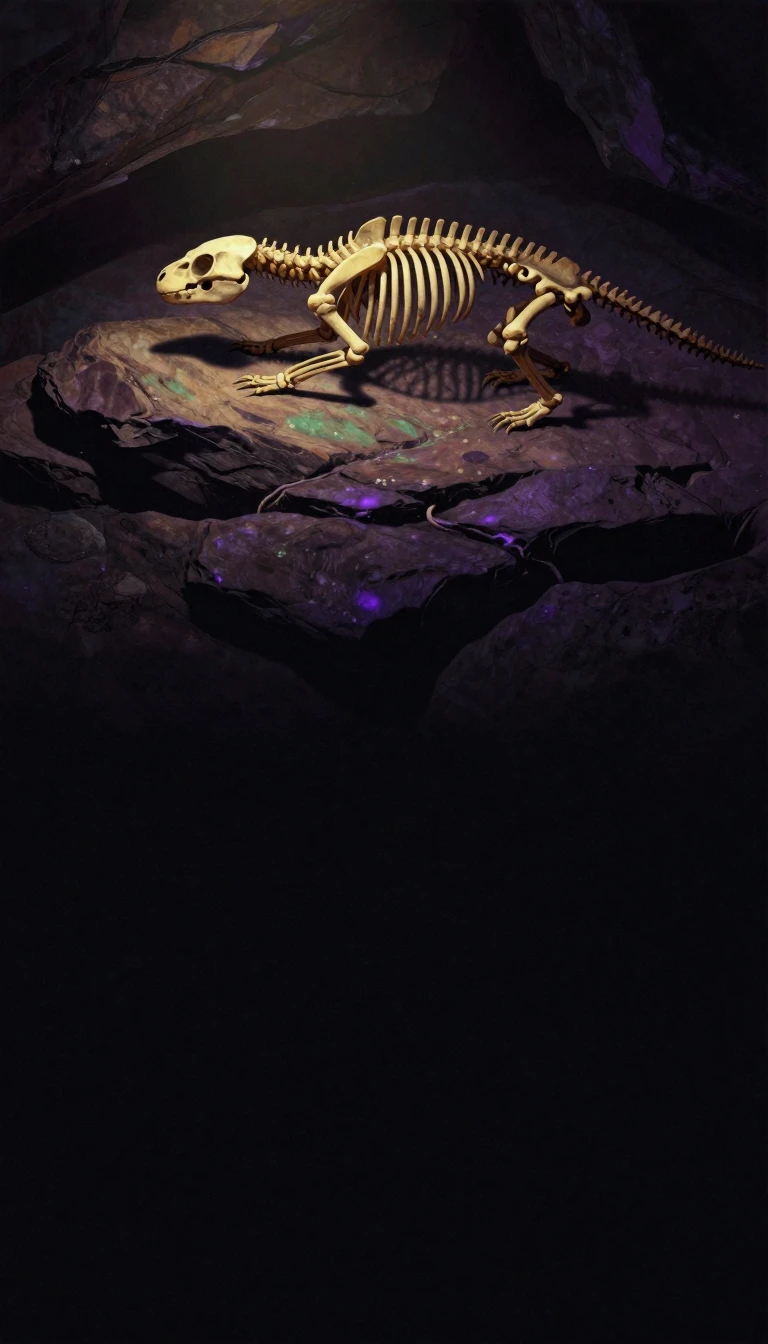
In short: Laurasiatheria is a massive mammalian superorder that emerged on the northern supercontinent of Laurasia nearly 100 million years ago. Its members are incredibly varied, ranging from 2-gram pygmy shrews to the 150-tonne blue whale. Despite their vast differences, they share a common evolutionary history hidden within their genetic code.
Laurasiatheria includes six primary orders: Eulipotyphla, Chiroptera, Cetartiodactyla, Perissodactyla, Carnivora, and Pholidota. This group is defined not by obvious physical traits, but by DNA sequence analysis. While some researchers have suggested anatomical markers like a small coracoid process, no single physical feature universally unites the group. The superorder is believed to have originated after Laurasia split from the southern supercontinent of Gondwana, with a common ancestor likely living between 76 and 90 million years ago.
The diversity within the group is striking. Eulipotyphla, which includes hedgehogs, moles, and shrews, features small insectivores with high metabolic rates. In contrast, the order Cetartiodactyla encompasses everything from pigs and cattle to whales and dolphins. Genetic evidence has famously reclassified cetaceans—once considered a separate order—as being closely related to hippopotamuses, placing them firmly within the Cetartiodactyla lineage. This transition involved a remarkable evolutionary journey where walking legs gradually evolved into flippers over millions of years.
Other members demonstrate unique survival strategies. Perissodactyls, such as horses and rhinoceroses, are odd-toed ungulates that rely on hindgut fermentation to digest plant matter, a process that is less efficient than the ruminant digestion seen in many even-toed ungulates. Meanwhile, Chiroptera (bats) represent the only mammals to have mastered powered flight. While their placement within the superorder was once debated due to morphological similarities to primates, modern genetic research confirms their kinship with other laurasiatheres. Ongoing studies continue to refine the internal relationships of this clade, particularly regarding the exact branching order of bats and other groups.
Opens the Intellect+ feed with this card first. Swipe up for the next one.
Sources
- Summary by Intellect · source: Case 10: Laurasiatheria | Cole Museum of Zoology
- Also: Laurasiatheria
To cite this card, link to https://intellectplus.co.uk/app/nature-laurasiatheria.
How we source, check and correct cards: Editorial standards.
General information, not professional advice. Spotted an error? Flag the card or see corrections and complaints.
Intellect Plus is a visual educational discovery platform for exploring fascinating facts and ideas. Brain Food, Not Brain Rot. What is Intellect Plus?
Related
More in Organisms · More in Nature · Latest · A–Z · All topics
