Laurasia was the northern half of a supercontinent that shaped our modern world.
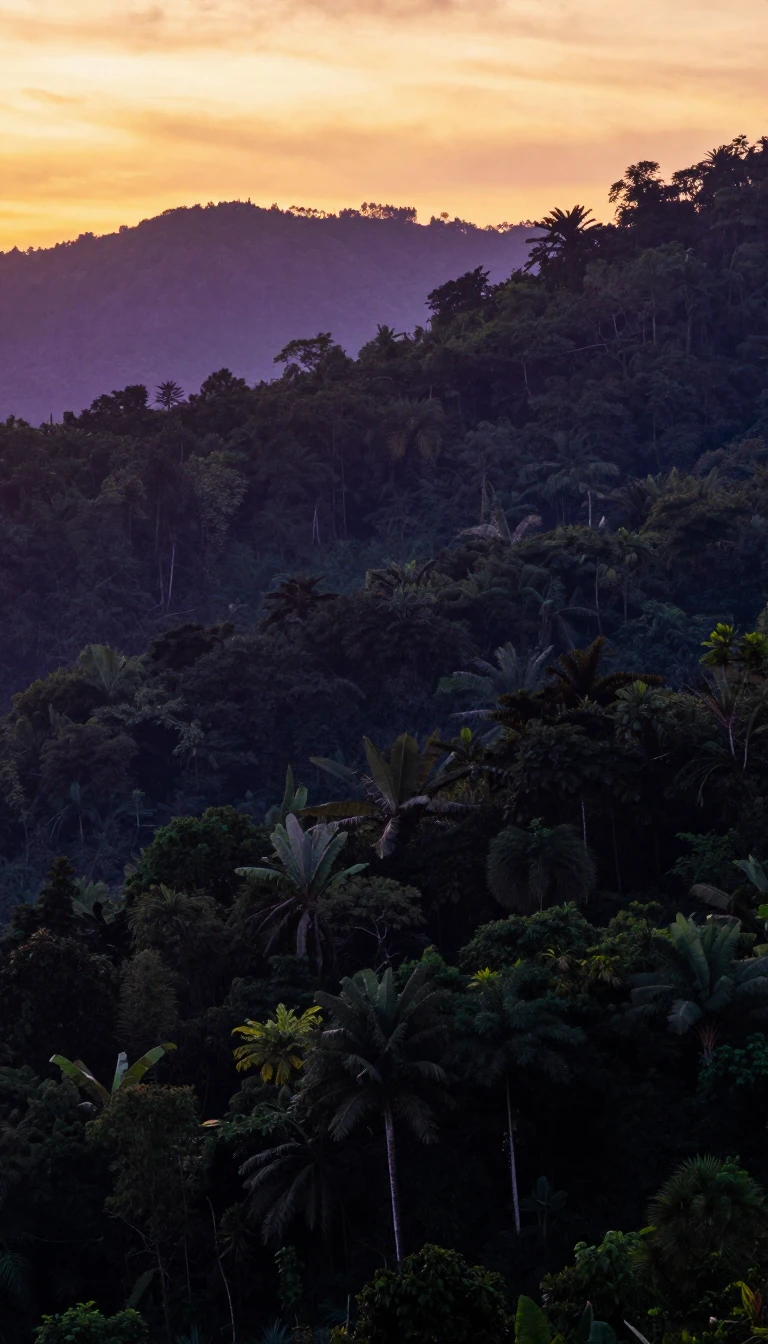
In short: Long before the continents drifted into their current positions, the Earth was dominated by two massive landmasses: Gondwana in the south and Laurasia in the north. This northern giant, a portmanteau of Laurentia and Eurasia, was not a static block but a complex, evolving puzzle of colliding ancient terranes.
The story of Laurasia begins with the breakup of the earlier supercontinent Pangaea, which existed from approximately 335 to 175 million years ago (Mya). While Gondwana was assembled well before Pangaea, Laurasia’s formation was a protracted process that occurred during and after the supercontinent’s assembly. It was defined by the collision of major continental blocks, including Laurentia, Baltica, Siberia, and Kazakhstania. These pieces were pulled together by the closing of ancient oceans and pushed by the opening of new ones, creating a landmass that covered 37,000,000 square kilometers at its height as Laurussia.
Geological history reveals that Laurasia was far from a uniform entity. During the Paleozoic era, roughly 30 to 40 percent of its surface was submerged under shallow marine waters, a significantly higher proportion than the 10 to 20 percent found on Gondwana. This unique geography influenced everything from sediment transport to the evolution of life. As the continents shifted, they created natural barriers that fostered provincialism in marine fauna, such as brachiopods, before the closure of oceans like the Rheic allowed these species to unite across the landmass.
The legacy of Laurasia is preserved in the rocks and fossils of the modern world. The Middle Devonian Gilboa Fossil Forest in New York, the oldest known tree fossils, sits in what was once central Laurussia. By the late Carboniferous, the region was dominated by tropical coal forests, which later collapsed into arid landscapes as the climate shifted. The final breakup of this northern giant began with the opening of the North Atlantic Ocean approximately 56 Mya, leaving behind the geological sutures and igneous provinces that geologists study today to reconstruct the Earth's ancient, shifting face.
Opens the Intellect+ feed with this card first. Swipe up for the next one.
Sources
- Summary by Intellect · source: Laurasia
To cite this card, link to https://intellectplus.co.uk/app/nature-laurasia.
How we source, check and correct cards: Editorial standards.
General information, not professional advice. Spotted an error? Flag the card or see corrections and complaints.
Intellect Plus is a visual educational discovery platform for exploring fascinating facts and ideas. Brain Food, Not Brain Rot. What is Intellect Plus?
Related
More in Organisms · More in Nature · Latest · A–Z · All topics
