Why these tiny spiders are the masters of aerial travel and extreme survival
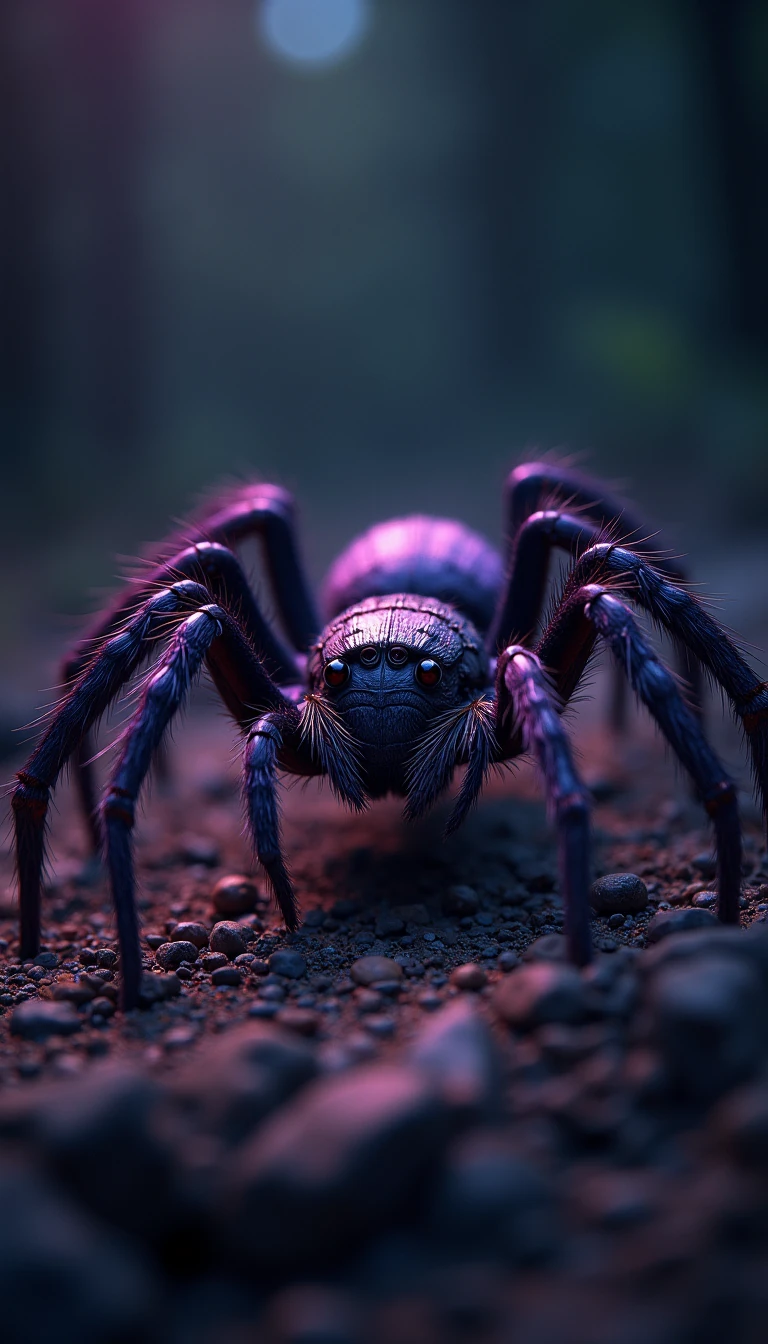
In short: Linyphiidae, or money spiders, are the second-largest spider family on Earth. Despite their diminutive size, they are global travelers, utilizing a technique called ballooning to drift through the atmosphere. From building webs on snow to sporting bizarre, horn-like head structures, these spiders are far more complex than they appear.
The Linyphiidae family, commonly known as sheet weavers, comprises nearly 5,000 described species across more than 600 genera. While they are often overlooked due to their small stature—frequently measuring 3 mm or less—they are remarkably resilient. Some species are active in freezing conditions, having been observed walking on snow in Norway at temperatures as low as -7 °C. Others, such as Tenuiphantes cristatus, are known to construct their signature sheet webs directly within depressions on the surface of snow.
A defining characteristic of these spiders is their reliance on ballooning, a method of dispersal where they release silk to catch air currents. While this behavior allows them to colonize vast areas, it is a perilous practice. Because they lack control over their trajectory in turbulent air, mortality rates are high, making the strategy most common among juveniles. This aerial mobility is likely a primary driver of their global distribution and the high rate of speciation observed within the family.
The family is also notable for the extraordinary morphology of its males, particularly within the subfamily Erigoninae. Males often possess highly modified cephalothoraxes, featuring complex structures like lobes, tubercles, and even horn-like projections. For instance, Gnathonargus unicorn sports a projection resembling a unicorn horn, while Walckenaeria acuminata carries its eyes on a tall, thin spire. These modifications are diagnostic for specific taxa, serving as unique identifiers in a family where taxonomy remains in constant flux due to the difficulty of identifying such tiny, diverse specimens.
Beyond their biological curiosities, Linyphiidae play a significant role in agricultural ecosystems. They act as natural biological control agents, preying on pests like aphids and springtails. Despite their utility, they are not at the top of the food chain; they are themselves prey for birds like goldcrests. As research continues, new genera—such as the Nepalese Himalafurca described in 2021—are still being identified, proving that even the most abundant spider families still hold secrets for science.
Opens the Intellect+ feed with this card first. Swipe up for the next one.
Sources
- Summary by Intellect · source: Linyphiidae
To cite this card, link to https://intellectplus.co.uk/app/nature-linyphiidae.
How we source, check and correct cards: Editorial standards.
General information, not professional advice. Spotted an error? Flag the card or see corrections and complaints.
Intellect Plus is a visual educational discovery platform for exploring fascinating facts and ideas. Brain Food, Not Brain Rot. What is Intellect Plus?
Related
More in Arthropods · More in Nature · Latest · A–Z · All topics
