A maar is a volcanic crater formed by a violent interaction with groundwater.
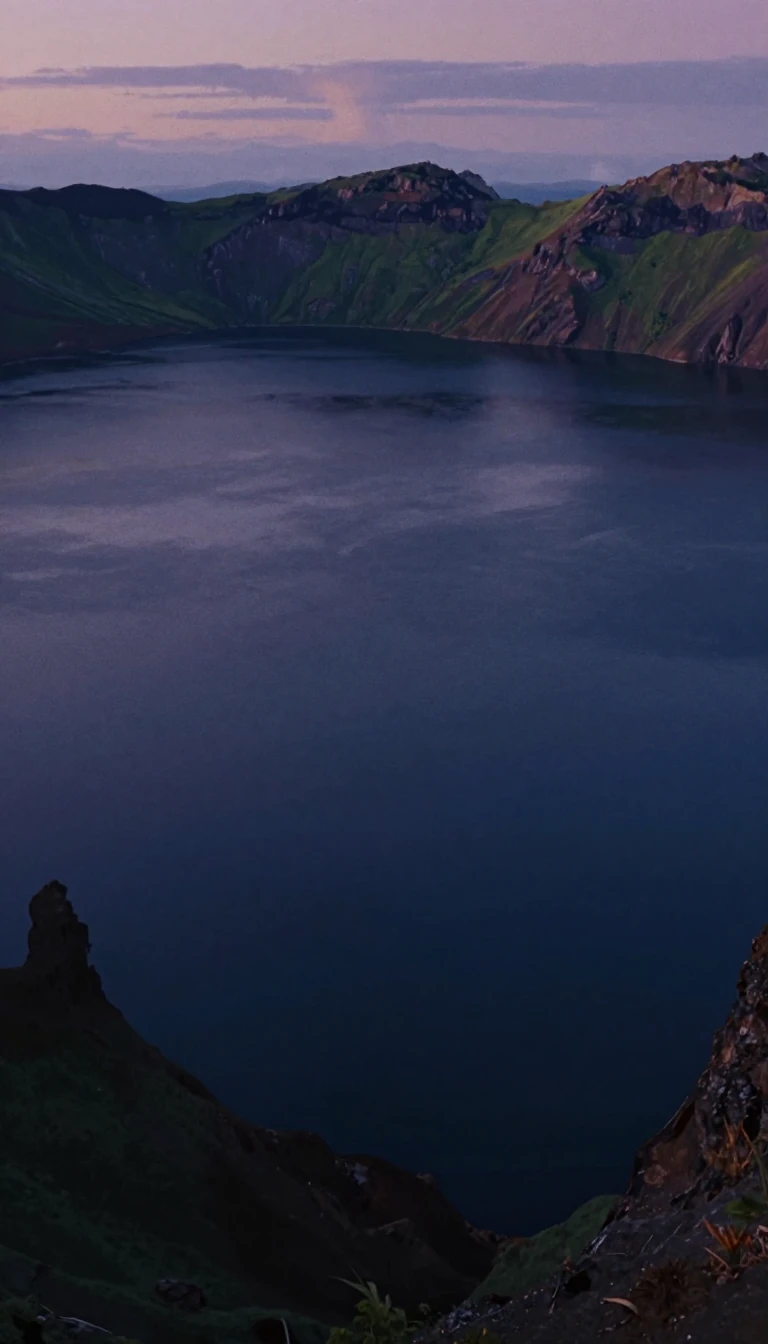
In short: When magma meets groundwater or permafrost, the resulting phreatomagmatic explosion carves a broad, low-relief crater into the earth. Often filling with water to become serene lakes, these geological features are found globally, from the Eifel mountains of Germany to the permafrost-rich landscapes of Alaska.
A maar is defined by its origin: a volcanic explosion triggered when magma contacts subsurface water. This process creates a funnel-shaped depression with a floor that sits below the pre-eruptive surface. While many maars naturally evolve into lakes, the term also encompasses dry craters where water has drained away, silted up, or never accumulated due to porous rock. These features are typically surrounded by low rims composed of loose volcanic debris and fragments of the surrounding country rock.
The scale of these craters varies significantly. Typical maars range from 20 to 3,000 meters in diameter and 5 to 200 meters in depth. However, extreme conditions can produce massive structures. In Alaska, the Seward Peninsula hosts the largest known maars, reaching up to 8 kilometers in diameter. These giants formed through prolonged, explosive reactions between magma and permafrost, which provides a steady, low-ratio water supply that fuels sustained eruptions over thousands of years.
The term itself has a specific history, originating from a Moselle Franconian dialect word for circular lakes in Germany’s Daun region. By 1819, it entered geological discourse, eventually expanding to describe the crater type regardless of whether it currently holds water. Today, geologists distinguish maars from other volcanic forms by their unique formation mechanism and morphology. While often confused with impact craters or calderas, true maars are distinct, offering scientists a window into the explosive power of hydromagmatic activity across diverse environments, from the volcanic fields of New Zealand to the arid landscapes of the Middle East.
Opens the Intellect+ feed with this card first. Swipe up for the next one.
Sources
- Summary by Intellect · source: Maar
To cite this card, link to https://intellectplus.co.uk/app/nature-maar.
How we source, check and correct cards: Editorial standards.
General information, not professional advice. Spotted an error? Flag the card or see corrections and complaints.
Intellect Plus is a visual educational discovery platform for exploring fascinating facts and ideas. Brain Food, Not Brain Rot. What is Intellect Plus?
Related
More in Geomorphology · More in Nature · Latest · A–Z · All topics
