Before the horse, Europe was home to the diverse and extinct Palaeotheriidae family.
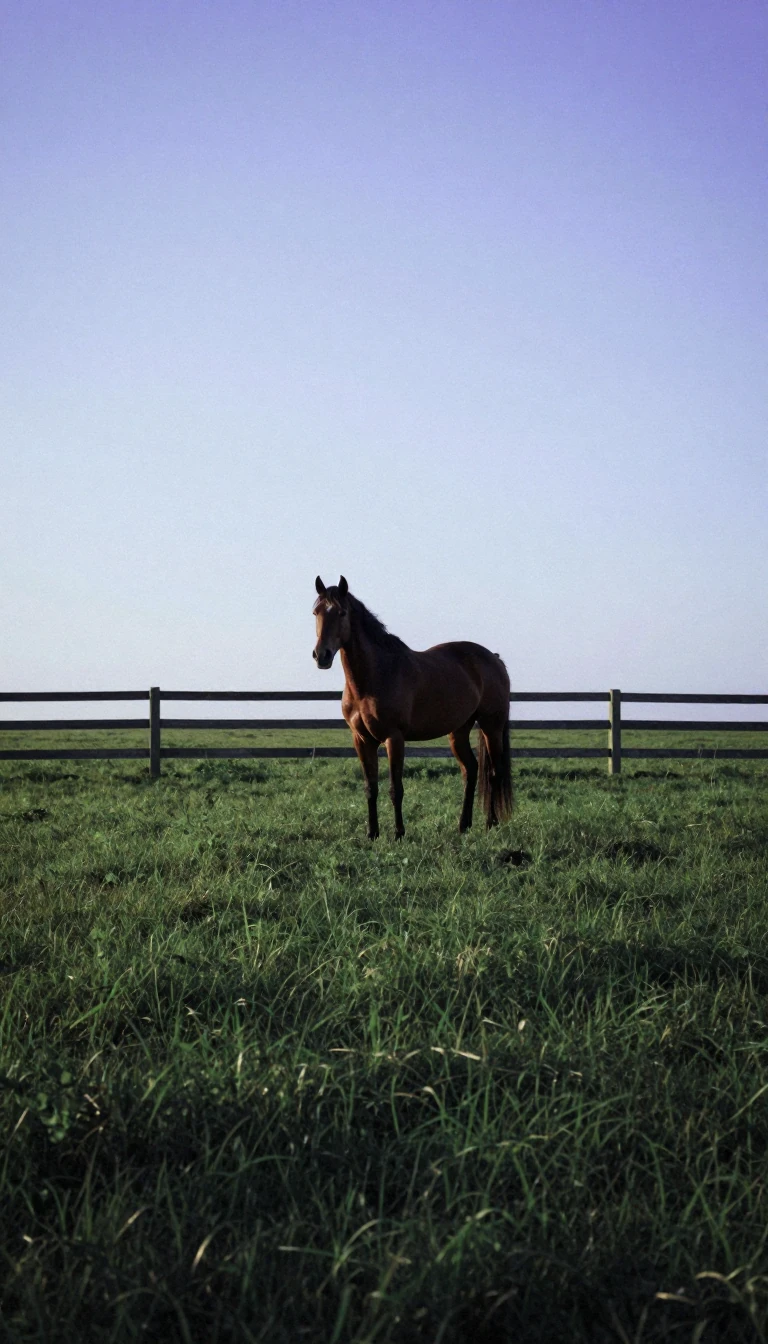
In short: Long before modern equines dominated the landscape, the Palaeotheriidae thrived across Europe. These herbivorous mammals, ranging from small, 36-kilogram creatures to massive, 200-kilogram browsers, occupied a unique niche in the Eocene epoch. Their eventual disappearance during a period of global cooling reveals much about how environments dictate evolutionary success.
Palaeotheriidae were perissodactyl mammals classified within the Equoidea, sharing a lineage with modern horses, zebras, and asses. Appearing in the mid-Eocene and persisting until the early Oligocene, these animals displayed significant physical variation. While small species like Palaeotherium lautricense were relatively light, larger members such as Palaeotherium magnum reached sizes comparable to living equines. Anatomically, they are defined by specific dental features, including low-crowned brachydont teeth and distinct nasal notch positioning, as identified by Danilo et al. in 2013.
The family is generally split into two subfamilies: Palaeotheriinae and the more controversial Pachynolophinae. The latter is often considered a paraphyletic group that may have served as the ancestor to the Palaeotheriinae. Researchers distinguish these groups primarily through the morphology of their upper molars, specifically the development of mesostyles, which are more prominent in the Palaeotheriinae. Dietary habits also shifted over time; while early members of the family are thought to have been frugivores, the later, larger species evolved into browsers.
The extinction of the Palaeotheriidae approximately 33 million years ago was tied to the Grande Coupure, a major faunal turnover event triggered by the Eocene-Oligocene transition. As Antarctic glaciation began, global temperatures plummeted, causing dense Eocene forests to vanish in favor of drier, open habitats. This environmental shift, combined with the arrival of new, better-adapted mammalian groups from Asia, led to the decline of endemic European families like the Palaeotheriidae and Anoplotheriidae. In southern England, the final records of these animals are found in the Lower Hamstead Member of the Bouldnor Formation, dating to roughly 33.6 million years ago.
Opens the Intellect+ feed with this card first. Swipe up for the next one.
Sources
- Summary by Intellect · source: Palaeotheriidae
To cite this card, link to https://intellectplus.co.uk/app/nature-palaeotheriidae.
How we source, check and correct cards: Editorial standards.
General information, not professional advice. Spotted an error? Flag the card or see corrections and complaints.
Intellect Plus is a visual educational discovery platform for exploring fascinating facts and ideas. Brain Food, Not Brain Rot. What is Intellect Plus?
Related
More in Vertebrates · More in Nature · Latest · A–Z · All topics
