Is the Earth's solid interior actually flowing like a slow-moving, heated liquid?
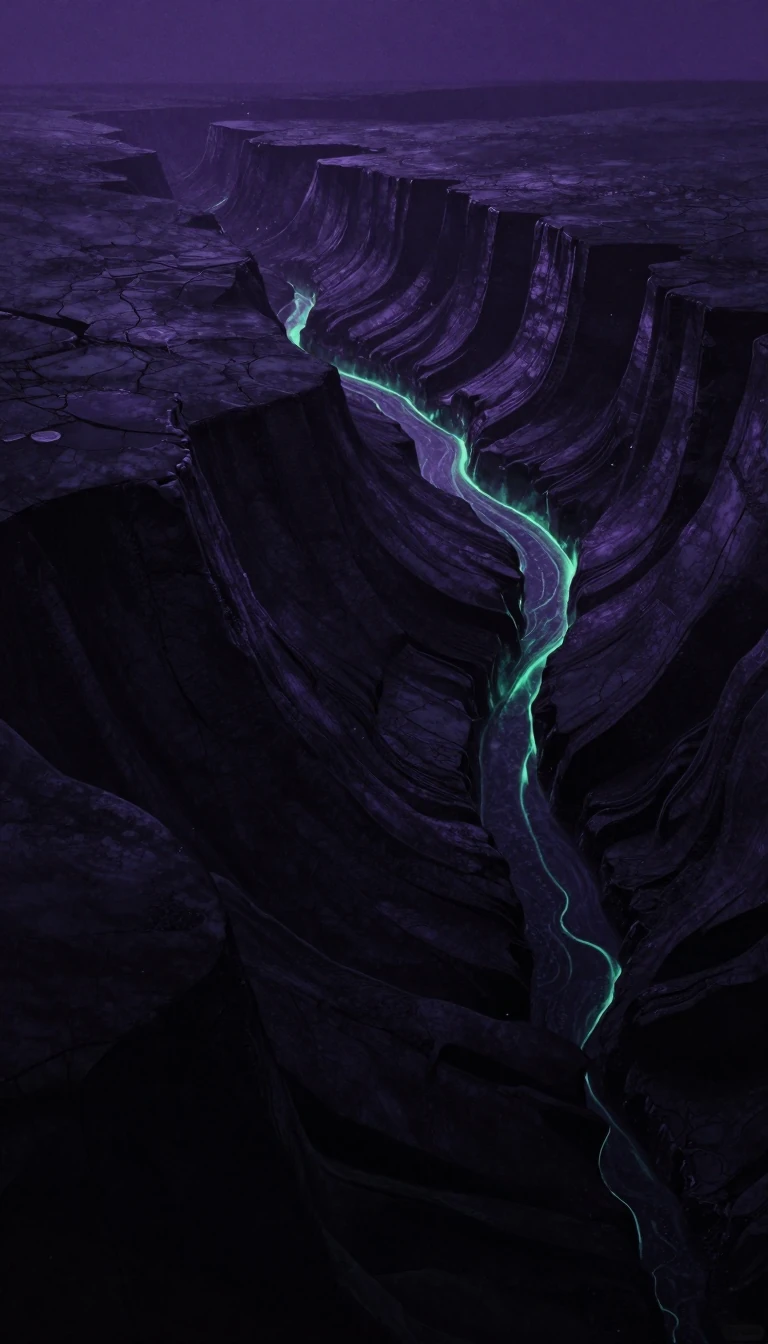
In short: Beneath our feet, the Earth's mantle is not static. Driven by the decay of radioactive elements, this massive layer of rock undergoes a process of solid-state creep. This slow, circular circulation acts as the primary engine for tectonic plate movement, shaping the very surface of our planet over millions of years.
The concept of mantle convection, first proposed by Arthur Holmes in 1929, suggests that heat from the Earth's interior drives a convective cycle. In this model, warmer, more buoyant material rises toward the surface, while cooler, denser rock sinks back into the depths. This process is not a liquid flow in the traditional sense but a solid-state creep, occurring at a pace of just a few centimeters per year. While the exact mechanisms remain a subject of scientific inquiry, researchers generally agree that this circulation is the fundamental driver behind the shifting of tectonic plates.
Beyond simple convection, other forces influence plate dynamics. Scientists often cite slab pull, where the weight of a descending oceanic plate drags the remainder of the plate behind it, and ridge push, where gravity forces denser rock away from elevated mid-ocean ridges. Modern seismic tomography has revolutionized our understanding by providing three-dimensional images of the interior. These images reveal warmer, slower-moving regions beneath oceanic ridges and cooler, faster-moving areas associated with subduction zones, where plates sink into the mantle.
A significant debate in geophysics has centered on whether this convection is layered or involves the whole mantle. Evidence from seismic tomography and numerical simulations increasingly supports the whole mantle model, where cold slabs descend from the surface to the core-mantle boundary, and hot plumes rise back up. While some aspects of this model, particularly the continuity of plumes, remain contested, the broad-scale pattern of flow appears remarkably stable. Studies suggest this general circulation has persisted for approximately 250 million years, influencing the long-term movement of continents and the distribution of volcanic activity across the globe.
Opens the Intellect+ feed with this card first. Swipe up for the next one.
Sources
- Summary by Intellect · source: Mantle convection | geology | Britannica
- Also: Mantle convection
To cite this card, link to https://intellectplus.co.uk/app/nature-mantle-convection.
How we source, check and correct cards: Editorial standards.
General information, not professional advice. Spotted an error? Flag the card or see corrections and complaints.
Intellect Plus is a visual educational discovery platform for exploring fascinating facts and ideas. Brain Food, Not Brain Rot. What is Intellect Plus?
Related
More in Geology · More in Nature · Latest · A–Z · All topics
