The ocean covers most of our planet, yet we are rapidly dismantling its life-support systems.
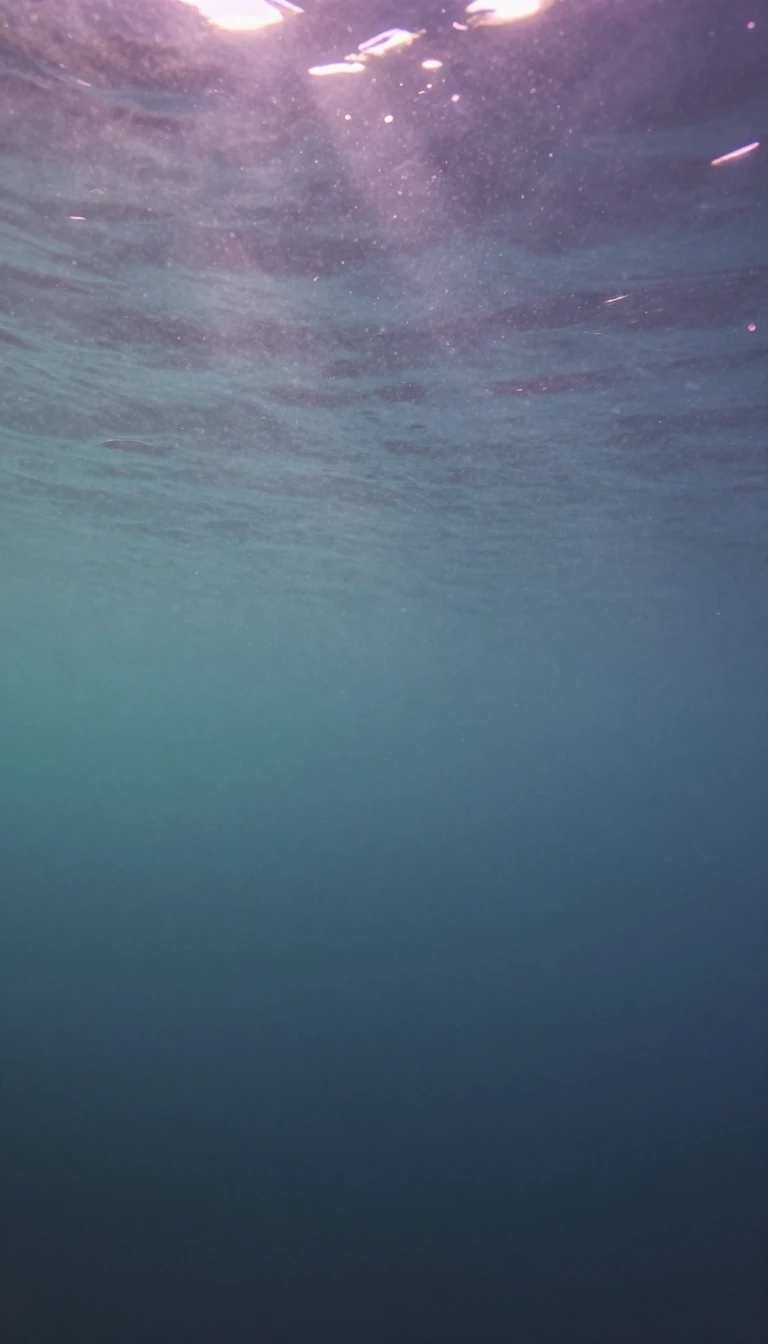
In short: Marine ecosystems account for over 90% of Earth's habitable space and regulate our global climate. Despite their immense value, human activity—from overfishing to coastal development—is degrading these vital environments at an alarming pace. Understanding the mechanics of these underwater worlds is now a critical challenge for our survival.
Marine ecosystems are defined by their high salt content, with an average salinity of 35 parts per thousand. These vast environments, which cover more than 70% of the Earth's surface, are categorized into diverse zones ranging from the open oceanic waters to the benthic substrates of the sea floor. Within these regions, specialized habitats like coral reefs, seagrass meadows, and mangrove forests provide essential services, including carbon sequestration, storm protection, and nursery grounds for countless species. Even the ocean's surface, a thin layer known as the neuston, hosts a unique community of organisms that connect disparate habitats across the globe.
In 1984, the National Oceanic and Atmospheric Administration (NOAA) introduced the concept of Large Marine Ecosystems (LMEs) to manage these areas across national boundaries. There are 66 such regions, which contribute an estimated $3 trillion to the global economy annually and support 90% of the world's marine fishery biomass. However, these systems face severe threats. Since 1950, global mangrove coverage has dropped by over one-third, and 60% of coral reefs are currently under immediate threat. Seagrass meadows are disappearing at a rate equivalent to two football fields every hour, driven by land runoff and destructive fishing practices.
The degradation of these ecosystems is not merely an environmental loss but a direct threat to human stability. With nearly 40% of the global population living within 100 km of the coast, the reliance on these habitats for food, jobs, and economic security is immense. Overfishing, particularly of large, slow-growing species like sharks, has led to significant biodiversity declines, with some Australian shark populations dropping by up to 92% between the 1960s and 2010s. Addressing these issues requires coordinated international action, such as the UN's Sustainable Development Goal 14, to balance economic needs with the urgent necessity of restoring the health of our oceans.
Opens the Intellect+ feed with this card first. Swipe up for the next one.
Sources
- Summary by Intellect · source: Marine ecosystem
To cite this card, link to https://intellectplus.co.uk/app/nature-marine-ecosystem.
How we source, check and correct cards: Editorial standards.
General information, not professional advice. Spotted an error? Flag the card or see corrections and complaints.
Intellect Plus is a visual educational discovery platform for exploring fascinating facts and ideas. Brain Food, Not Brain Rot. What is Intellect Plus?
Related
More in Earth science basics · More in Nature · Latest · A–Z · All topics
